Mammalian Reproduction: How Evolution, Biology, and Culture Shape Sex and Birth
When we talk about mammalian reproduction, the biological process by which mammals produce offspring through sexual reproduction, often involving internal fertilization and live birth. Also known as sexual reproduction in mammals, it's not just about biology—it's tied to power, history, and how we understand pleasure, gender, and survival. Unlike plants or insects, mammals don’t just reproduce to pass on genes—they do it in a world shaped by shame, science, and social rules. The fact that human females have hidden ovulation, that the clitoris exists outside of reproduction, and that menopause happens long before death—all of it points to something deeper: mammalian reproduction isn’t just a biological function. It’s a story written by evolution, politics, and culture.
Look at the female orgasm, a biological response not required for conception but deeply linked to pleasure and evolutionary adaptation. Also known as clitoral orgasm, it’s been misunderstood for centuries as a flaw, a luxury, or a mistake. But science now shows it likely evolved from a system where orgasm triggered ovulation—something still seen in rabbits and cats. Over time, humans lost that link, but kept the pleasure. That’s why most women need direct clitoral stimulation to climax, and why myths about vaginal orgasms lasted so long. This isn’t just anatomy—it’s a battle over who controls the narrative of female desire. And it connects directly to how Victorian doctors labeled masturbation as dangerous, how feminist scholars like Anne Koedt fought to redefine pleasure, and why modern IVF clinics now use HCG triggers to control timing down to the hour. Then there’s the two-fold cost of sex, the evolutionary disadvantage where sexual reproduction requires twice the energy of asexual reproduction, yet still dominates complex life. Also known as cost of males, this paradox explains why sex persists despite its inefficiency. The answer? Genetic diversity. Sex cleans out harmful mutations, fights off parasites, and lets populations adapt faster. That’s why mammals, despite the risks of pregnancy, childbirth, and emotional complexity, kept sex. And that’s why the history of sex work, from ancient temples to digital platforms, never disappeared—it’s built into our biology.
What you’ll find below isn’t just a list of articles. It’s a map of how mammalian reproduction got tangled up with power. You’ll see how medieval marriages were economic deals, how Victorian doctors turned pleasure into pathology, how lesbianism vanished from archives, and how a steam-powered vibrator was sold to treat "female hysteria." These aren’t random stories. They’re all threads in the same fabric—how biology got rewritten by culture, how reproduction became a tool of control, and how people kept finding ways to reclaim their bodies anyway.
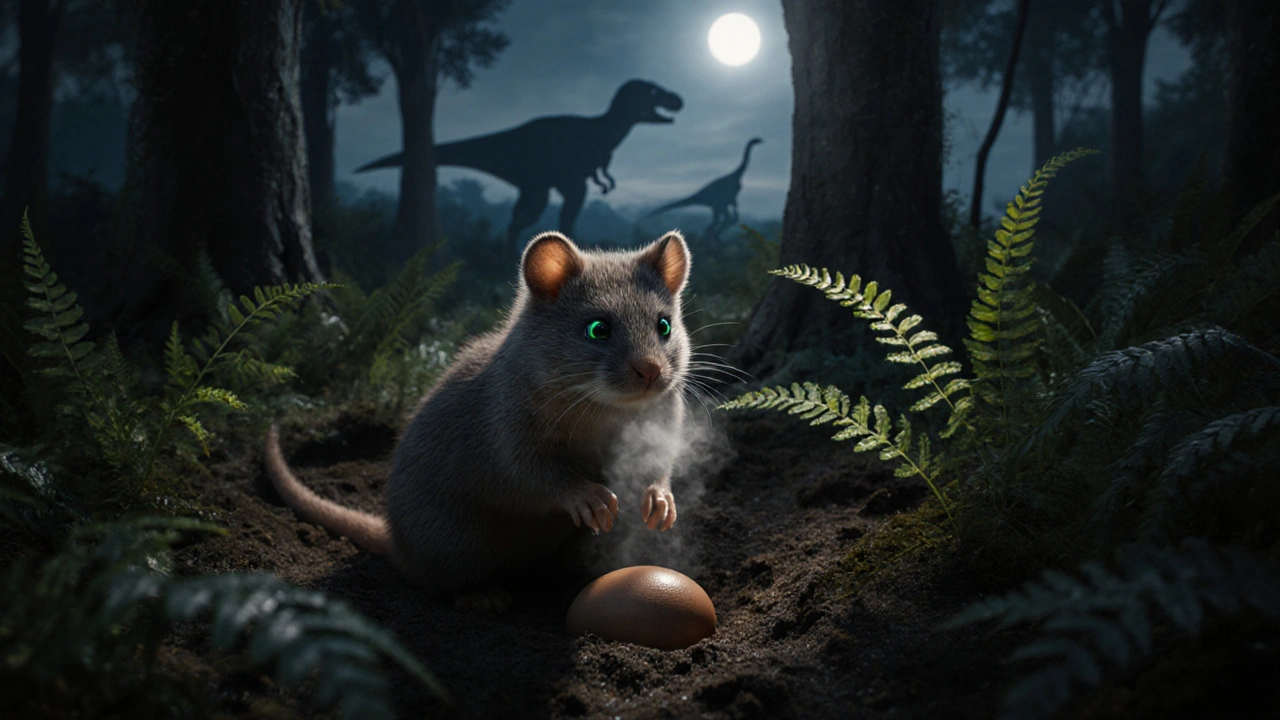
The Origins of Mammalian Reproduction: From Eggs to Live Birth
Oct 31 2025 / History & ArchaeologyMammalian reproduction began with egg-laying and evolved into live birth over 200 million years. Monotremes still lay eggs, while marsupials and placentals developed different ways to nurture young inside and after birth.
VIEW MORE