#MeToo Movement: How Sexual Harassment Survivors Changed Power, Law, and Culture
When Tarana Burke started saying #MeToo movement, a global campaign to expose and challenge sexual harassment and assault, especially in workplaces and institutions. Also known as the sexual assault awareness movement, it gave millions a way to say: I’ve been there too. It wasn’t just a hashtag. It was a floodgate. Women, men, and nonbinary people from every industry—entertainment, politics, tech, restaurants, factories—began sharing stories that had been buried for years. And suddenly, the people who got away with it couldn’t hide anymore.
The #MeToo movement didn’t invent sexual harassment, but it changed how we name it. Before, many thought harassment was just "bad behavior" or "part of the job." Now we know it’s about power, control, and silence. It’s tied to consent, the clear, ongoing, voluntary agreement to any sexual activity. Without consent, any touch, comment, or demand becomes abuse. It’s also about gender power, the imbalance where men in positions of authority use their status to exploit those with less power. Think bosses, teachers, celebrities, cops—people who could destroy careers or lives with a word. The movement didn’t just call out predators. It asked: Why did so many stay quiet? Why did systems protect abusers instead of victims?
The answers are in the archives: police reports buried, HR departments ignoring complaints, lawyers pressuring survivors to sign NDAs, and media dismissing claims as "he said, she said." But after 2017, when dozens came forward against Harvey Weinstein, the pattern became impossible to ignore. Survivors didn’t need perfect stories. They didn’t need to be saints. They just needed to be believed. And slowly, they were. Companies changed policies. Judges took cases seriously. Colleges started training staff. Even in places where laws didn’t change, culture did.
This collection of articles doesn’t just talk about #MeToo—it shows how it fits into a much longer fight. You’ll find pieces on how Victorian doctors blamed women for their own abuse, how ancient cultures silenced female sexuality, and how the legal system once treated rape as a property crime. You’ll read about how consent was never taught, how gender roles were engineered to keep women powerless, and how the same systems that ignored abuse in the 1800s are still trying to silence survivors today. This isn’t just about one moment in time. It’s about the long, messy, necessary struggle to make sex and power fair. What you’re about to read isn’t history. It’s the reason #MeToo had to happen—and why it’s still happening now.
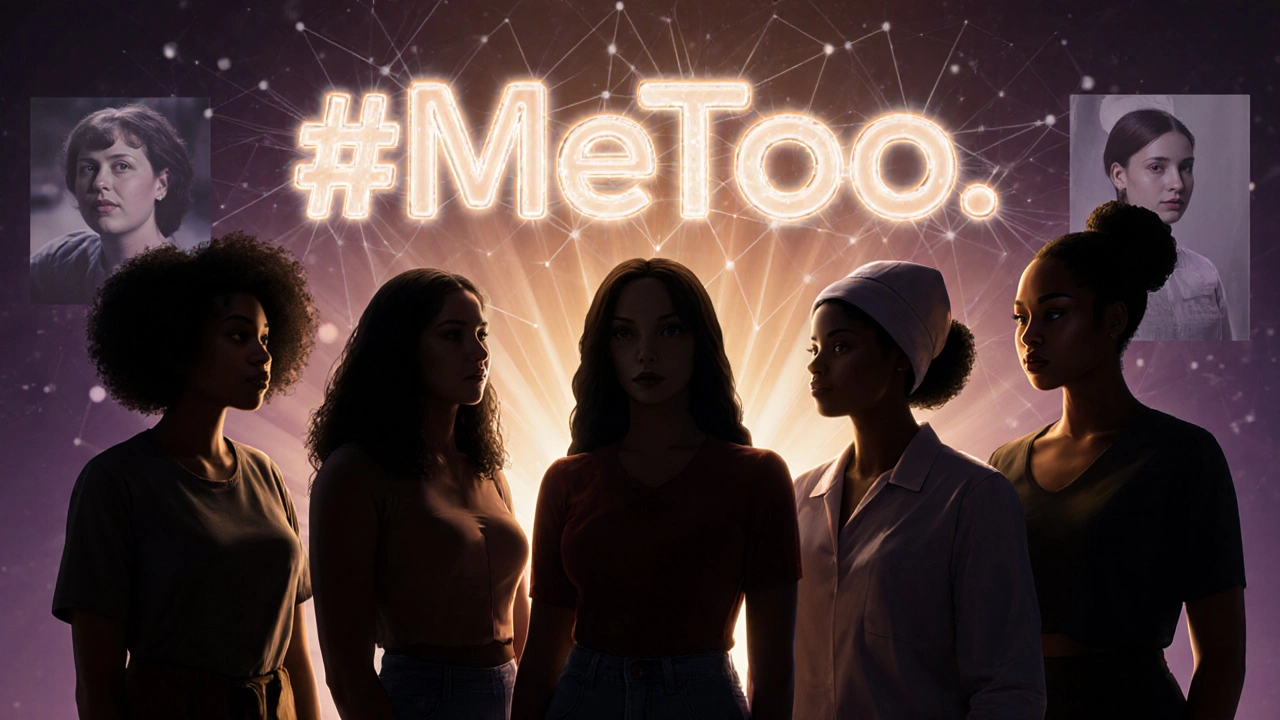
Digital Feminism and #MeToo: How Online Activism Changed the Conversation on Sexual Power
Nov 9 2025 / Social PolicyThe #MeToo movement, born from Tarana Burke’s grassroots work, became a global digital feminist force that exposed sexual violence and forced institutions to change. Survivors used social media to break silence - and the world finally listened.
VIEW MORE