Migration and Exploitation: How Movement Shapes Sex, Power, and Survival
When people move—whether for work, safety, or survival—they often enter systems designed to take advantage of their vulnerability. Migration and exploitation, the forced or coerced movement of people for economic or sexual gain. Also known as human trafficking, it’s not just a modern crisis—it’s a pattern that’s been repeating for centuries, from temple prostitutes in ancient Mesopotamia to women lured by fake job offers into digital escort platforms today. This isn’t about border policies or illegal activity alone. It’s about power: who controls movement, who profits from it, and who gets erased from the story.
Sex work, the exchange of sexual services for money or resources. Also known as commercialized sexuality, it’s one of the most visible outcomes of migration and exploitation. Many sex workers aren’t criminals—they’re migrants fleeing war, poverty, or abuse, using whatever options they have. In medieval Europe, women moved with armies as camp followers. In the 1800s, Chinese women were trafficked to build railroads and then forced into brothels. Today, digital platforms make it easier to connect—but also easier to hide abuse behind algorithms. The same patterns: isolation, debt, language barriers, and no legal protection.
Economic coercion, using financial pressure to force someone into sexual acts or labor. Also known as financial exploitation, it’s the quiet engine behind most cases of trafficking. A woman from Ukraine moves to Spain for a factory job, but her passport is taken. A man from Nigeria is promised modeling work in Italy, then locked in an apartment and forced to film videos. These aren’t outliers—they’re standard. And the law often treats them as moral failures, not crimes of power. Even when people aren’t physically chained, they’re trapped by fear, debt, or the belief that no one will believe them.
Gendered migration plays a huge role too. Women and trans people are far more likely to be pushed into sex work after moving, not because they choose it, but because society gives them fewer options. Men migrate for labor, but women migrate for survival—and are then labeled as "prostitutes" instead of survivors. The history here isn’t just about laws or politics. It’s about how culture turns desperation into commodity.
What you’ll find in these articles isn’t theory. It’s the real, messy, human truth behind movement, control, and resistance. From Victorian-era women sold as "domestic servants" who ended up in brothels, to modern escort models using digital tools to reclaim autonomy, these stories show how people fight back—even when the system is built to silence them. You’ll see how economic alliances, medical myths, and legal loopholes have all been used to justify control. And you’ll see how some, against all odds, turned survival into strength.
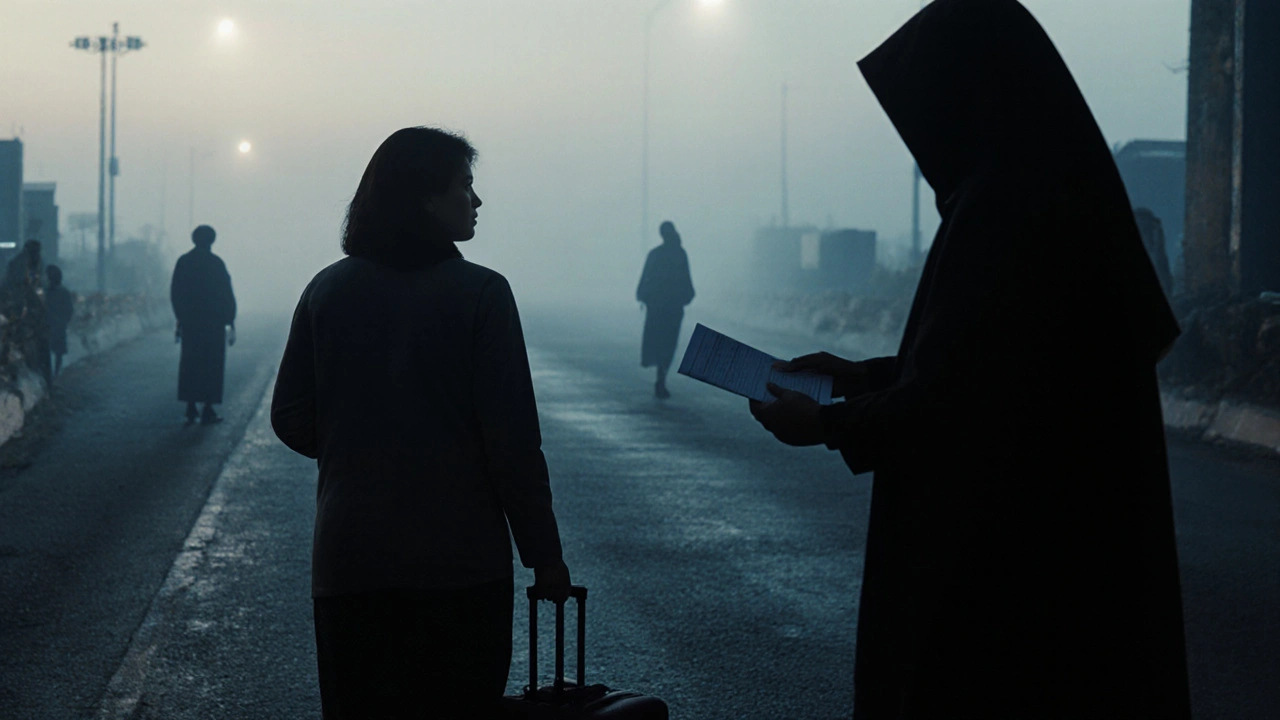
Migration, Trafficking, and Consent: Untangling the Myths Behind Modern Exploitation
Nov 10 2025 / Social PolicyThe legal line between human trafficking and migrant smuggling relies on consent - but real-life cases show consent is rarely clear-cut. Poverty, immigration status, and lack of options make true choice impossible for many.
VIEW MORE