Modern Contraceptive Pills: How Birth Control Changed Sex, Power, and Women's Lives
When you think of modern contraceptive pills, hormonal birth control pills developed in the 1950s that give women control over ovulation and pregnancy. Also known as the pill, it didn’t just prevent pregnancies—it rewired how people think about sex, relationships, and who gets to decide when to have children. Before the pill, pregnancy was often unavoidable. Women had few options beyond abstinence, withdrawal, or dangerous back-alley procedures. The pill changed that. It gave millions of women a way to say no to motherhood on someone else’s timeline—and yes, that scared a lot of people.
The hormonal contraception, medications using synthetic estrogen and progestin to suppress ovulation wasn’t just a medical breakthrough. It was a political one. Doctors like Gregory Pincus and activists like Margaret Sanger pushed for it, but it took feminist movements to make it widely accepted. The pill let women delay marriage, go to college, climb corporate ladders, and leave abusive relationships. It didn’t fix everything—access was unequal, side effects were ignored, and men weren’t held accountable—but it cracked open a door that had been locked for centuries.
And the ripple effects? They’re everywhere. The female reproductive health, the physical and social systems affecting women’s ability to control fertility and sexual well-being became a public conversation. Legal battles over reproductive rights, like Roe v. Wade, grew out of the same energy that pushed for the pill. Even today, when you hear debates about abortion, insurance coverage, or emergency contraception, you’re hearing the echo of that first pill bottle. The sexual autonomy, the right to make personal decisions about sex and reproduction without coercion isn’t just a buzzword—it’s the direct result of women having real control over their bodies for the first time in history.
What you’ll find below isn’t just a list of articles. It’s the story of how control over reproduction changed everything—from how women were treated in medicine, to how sex was portrayed in literature, to how power moved between partners. You’ll read about the hidden history of vibrators sold as medical devices, the erasure of lesbian relationships in archives, and how Victorian doctors called masturbation a disease. You’ll see how the same forces that fought the pill still try to control women’s choices today. This isn’t about pills in isolation. It’s about freedom, silence, and who gets to decide what happens to a woman’s body—and why that still matters more than ever.
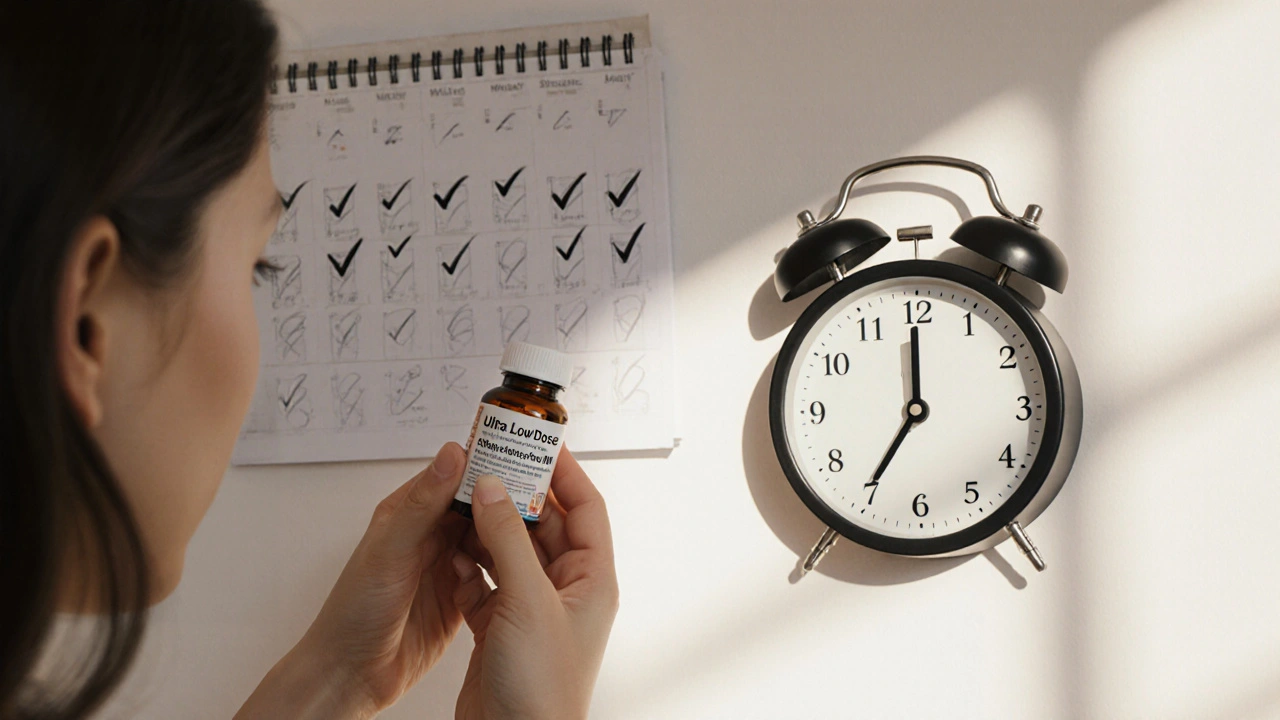
Modern Low-Hormone Birth Control Pills: Safety, Effectiveness, and What You Need to Know
Nov 17 2025 / Health & WellnessModern low-hormone birth control pills offer fewer side effects than older versions, but require strict daily use. Learn how they work, who they’re best for, and why timing matters more than dose.
VIEW MORE