No-Fault Divorce: How Legal Change Reshaped Marriage, Gender, and Power
When no-fault divorce, a legal system allowing couples to end marriage without proving wrongdoing like adultery or abuse. Also known as unilateral divorce, it removed the need to assign blame and gave individuals—especially women—the power to leave unhappy or abusive marriages without court battles. Before no-fault divorce, you had to prove your spouse had broken the marriage contract. That meant trapping people in dangerous or loveless unions just because they couldn’t collect enough evidence of cruelty or infidelity. The shift wasn’t just legal—it was personal, social, and deeply political.
No-fault divorce didn’t happen in a vacuum. It rose alongside the women’s movement, as more women entered the workforce and demanded control over their own lives. It connected directly to gender roles, the societal expectations that once confined women to homemaking and men to breadwinning. When women could leave without proving fault, they gained real independence—not just financially, but emotionally. This change also exposed how marriage law, a system built on property transfer, dowries, and male control had long treated wives as legal dependents. The old rules didn’t just punish women for leaving—they made them pay for it in lost homes, income, and custody.
But no-fault divorce didn’t fix everything. It made leaving easier, but not safer. Many women still struggled with poverty after divorce, especially if they’d been out of the workforce. Men, too, faced new pressures—suddenly expected to be both providers and caregivers, with little support. The legal system didn’t catch up fast enough. Child support enforcement lagged. Alimony became rare. And while the law said both parties were equal, reality often looked different. The real victory wasn’t just the law changing—it was the cultural shift that followed. People started seeing marriage as something you could choose to leave, not just endure.
What you’ll find below isn’t just a list of articles. It’s a map of how we got here. From Victorian-era ideas that treated women as property, to the feminist battles that forced courts to listen, to the quiet ways families still struggle with the fallout of broken unions—these stories show how no-fault divorce didn’t just alter paperwork. It rewrote the rules of love, power, and survival.
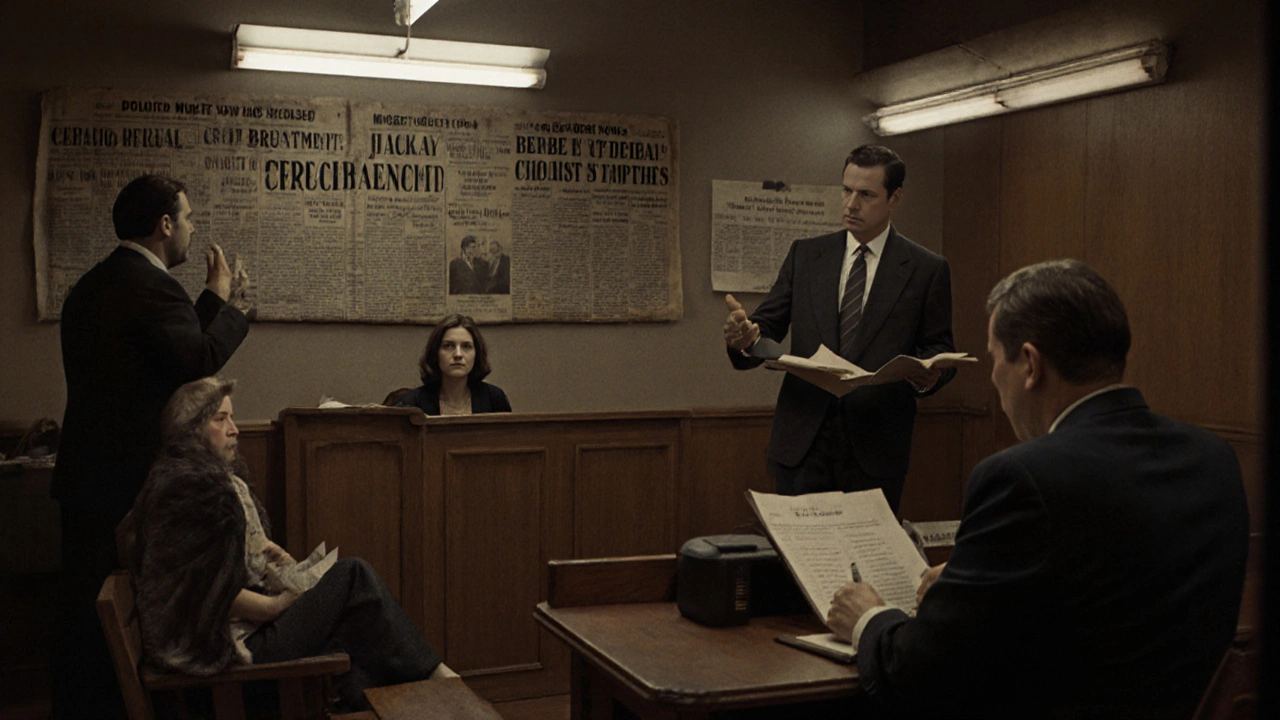
No-Fault Divorce, Delayed Marriage, and the Quiet Revolution in American Families After 1970
Nov 11 2025 / Social PolicyNo-fault divorce, introduced in California in 1970, transformed American families by making divorce easier and marriage less permanent. It led to delayed marriages, rising single-parent households, and hidden costs for children-changes still shaping society today.
VIEW MORE