Oviparity: How Egg-Laying Shapes Animal Reproduction and Human Understanding of Sex
When we talk about oviparity, the biological process where animals lay eggs that develop and hatch outside the mother’s body. It’s one of the oldest ways life reproduces—used by birds, reptiles, fish, insects, and even some mammals like the platypus. Also known as egg-laying reproduction, it’s not just a biological quirk—it’s a strategy that shaped how species survive, evolve, and even how humans think about sex and motherhood.
Oviparity contrasts sharply with viviparity, giving live birth, where the embryo develops inside the mother’s body, a method used by most mammals, including humans. But here’s the twist: oviparity doesn’t mean less care. Many egg-laying species guard their eggs, regulate temperature, or even stay with their young after hatching. The idea that live birth is "more advanced" is a human bias. Evolution picked oviparity because it works—sometimes better. It’s lighter, less risky for the mother, and lets offspring develop in safer environments. This biological fact shows up in ancient myths too—think of the Greek goddess Nyx giving birth to the world from an egg, or Hindu creation stories where the universe hatches from a cosmic egg. These aren’t just poetry; they reflect how deeply egg-laying is tied to ideas of origin, power, and femininity.
What does this have to do with the articles below? Everything. The way we talk about sex, reproduction, and gender is full of assumptions shaped by biology—and often, those assumptions are wrong. When Victorian doctors called female pleasure a medical problem, they were ignoring how nature actually works. When we erase lesbian history or pretend orgasms are only for reproduction, we’re missing how evolution really operates. Oviparity reminds us that nature doesn’t follow human rules. It adapts. It varies. It surprises. The posts here explore how sex, power, and biology collide—from the Etruscans using sex scenes in tombs to guide souls, to how IVF now uses hormone triggers to control ovulation. These aren’t just history lessons. They’re corrections. They show how science, culture, and shame have twisted what’s natural. You’ll find stories of women reclaiming pleasure, activists fighting for legal rights, and forgotten rituals that honored female biology long before modern medicine tried to control it. This isn’t about eggs alone. It’s about how we’ve misunderstood reproduction for centuries—and why it’s time to rethink everything.
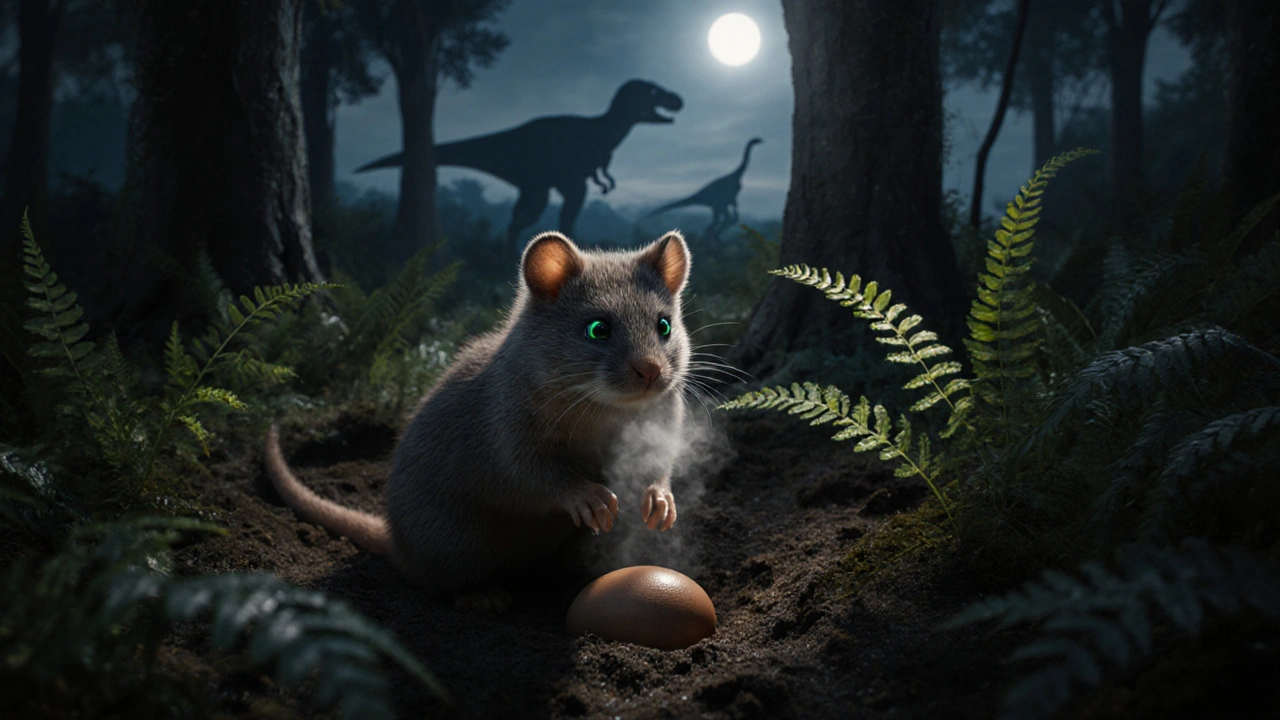
The Origins of Mammalian Reproduction: From Eggs to Live Birth
Oct 31 2025 / History & ArchaeologyMammalian reproduction began with egg-laying and evolved into live birth over 200 million years. Monotremes still lay eggs, while marsupials and placentals developed different ways to nurture young inside and after birth.
VIEW MORE