Pacific gender roles: How culture shapes sex, power, and identity
When we talk about Pacific gender roles, the culturally specific expectations of behavior, power, and identity tied to gender in Indigenous Pacific societies. Also known as traditional Pacific gender systems, these roles often differ sharply from Western binaries—encompassing third genders, spiritual leadership, and fluid expressions of sexuality that colonial records tried to erase. These aren’t just historical footnotes. They’re living systems that still influence how people in Samoa, Tonga, Fiji, and beyond understand family, work, and intimacy today.
One key related concept is gender socialization, how families and communities teach children what it means to be male, female, or something else from birth. In many Pacific cultures, this starts early—boys might be trained in fishing and storytelling, girls in weaving and ritual dance—but roles like the fa’afafine in Samoa or the akava’ine in Cook Islands show that identity isn’t always fixed by biology. These identities aren’t modern inventions; they’re ancient, recognized, and often sacred. Then came missionaries, colonizers, and laws that forced binary norms, punishing those who didn’t fit. The result? A century of silence, shame, and erased history. But today, activists and elders are bringing these roles back—not as relics, but as valid ways of being.
Another critical piece is sexual identity, how individuals understand and express their attraction, gender, and desire within cultural frameworks. In the Pacific, sexual identity has never been separated from spiritual, economic, or kinship roles. A person’s value wasn’t measured by who they slept with, but by how they contributed to the community. That’s why the erasure of non-binary identities wasn’t just about morality—it was about control. When you erase gender diversity, you make it easier to control land, labor, and lineage. Modern research shows that societies with recognized third genders often have lower rates of gender-based violence and stronger community cohesion. That’s not coincidence. It’s evidence.
What you’ll find in the posts below isn’t just history. It’s the quiet rebellion of people who refused to be erased. From Victorian doctors pathologizing female pleasure to Etruscan tombs celebrating sex as sacred, from the legal battles over LGBTQ+ housing rights to the forgotten art of ancient temple rituals—this collection ties Pacific gender systems to global patterns of power, silence, and resistance. You’ll see how the same forces that shaped gender in Samoa also shaped masturbation myths in London, how the fight for consent in modern courts echoes ancient communal agreements, and why the female orgasm exists even when it’s not needed for reproduction. These aren’t random topics. They’re all connected by one truth: gender isn’t natural. It’s made. And it can be remade.
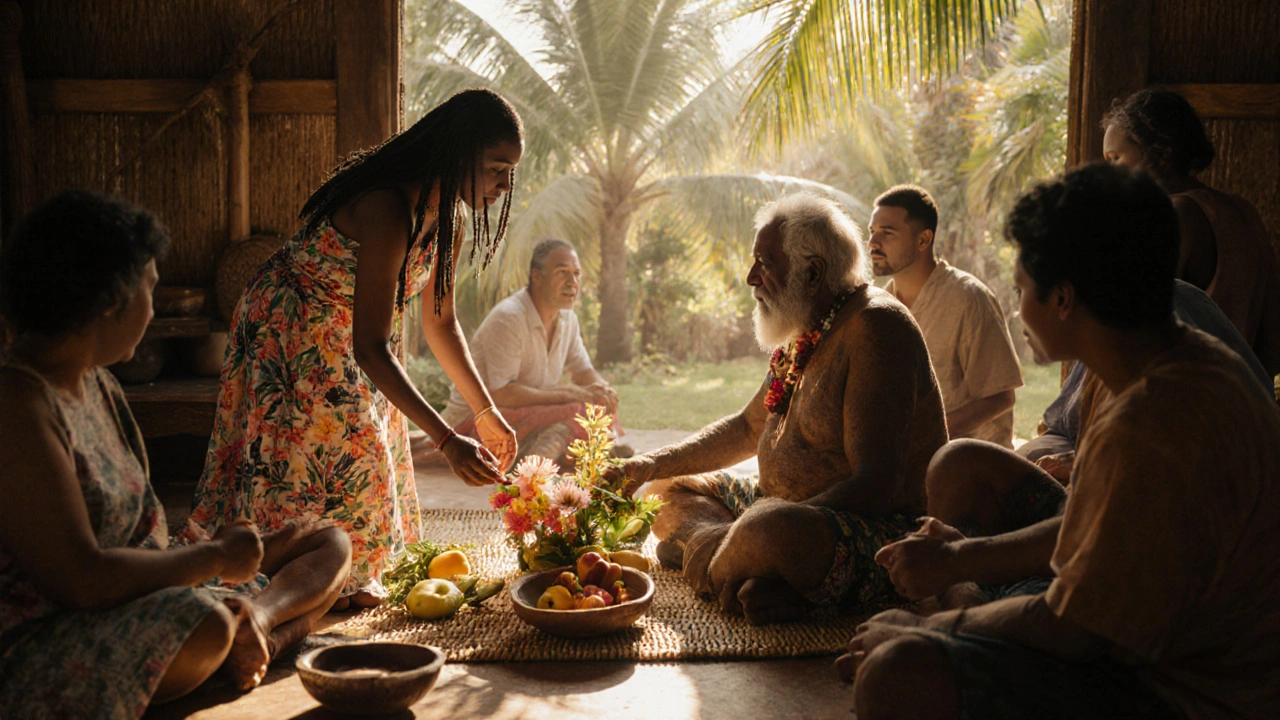
Fa'afafine of Samoa: Understanding the Traditional Third Gender Role
Nov 12 2025 / LGBTQ+ HistoryFa'afafine are a traditional third gender in Samoa, with roles in caregiving, ceremony, and family life that predate colonial influence. Unlike Western gender models, they exist outside the male-female binary and are culturally accepted-not as deviant, but as essential.
VIEW MORE