Paleontologists and the Hidden Sex Histories They Uncover
When you think of paleontologists, scientists who study ancient life through fossils to understand evolution and biological change over time. Also known as fossil scientists, they don’t just dig up skeletons—they uncover the quiet, messy, and sometimes shocking stories of how sex, reproduction, and gender worked long before humans walked the earth. These researchers piece together clues from fossilized pelvises, copulatory organs preserved in amber, and even ancient eggshells to reconstruct behaviors we assumed were modern. What they find often shatters myths: female dinosaurs may have chosen mates, early mammals had complex social bonds, and some species evolved sex for reasons far beyond reproduction.
Behind every fossilized bone is a web of related concepts. fossilized sexuality, physical evidence of mating behaviors preserved in ancient remains, such as paired shells, genital structures, or copulatory fossils is one of the most controversial and least studied areas in paleontology. Then there’s ancient reproduction, the biological strategies used by extinct species to pass on genes, including external fertilization, internal gestation, and parthenogenesis. These aren’t just biological facts—they’re cultural blueprints. The fact that some ancient fish evolved live birth over 380 million years ago changes how we see the "natural" order of things. And evolutionary biology, the study of how traits like mating systems, sexual dimorphism, and reproductive behavior change across generations shows us that sex isn’t static. It adapts. It’s messy. It’s often about survival, not romance. Paleontologists are the only ones who can trace these patterns across millions of years, showing us that many of today’s sexual norms have deep, non-human roots.
What’s surprising is how often these ancient patterns mirror modern struggles. The fight for reproductive autonomy? It’s older than mammals. The pressure to conform to gendered roles? It shows up in the size differences of ancient reptiles. Even the idea that female pleasure is a recent discovery? Fossils suggest otherwise. This collection of articles doesn’t just talk about human history—it connects you to the deeper, older story of sex, power, and identity. You’ll find posts that trace how medical myths about masturbation began, how consent was negotiated in medieval marriages, and how queer identities were erased from archives. But they all tie back to one truth: what we think is new about sex? It’s probably been around longer than we realize. Below, you’ll see how paleontologists’ discoveries help explain why we think, feel, and desire the way we do today.
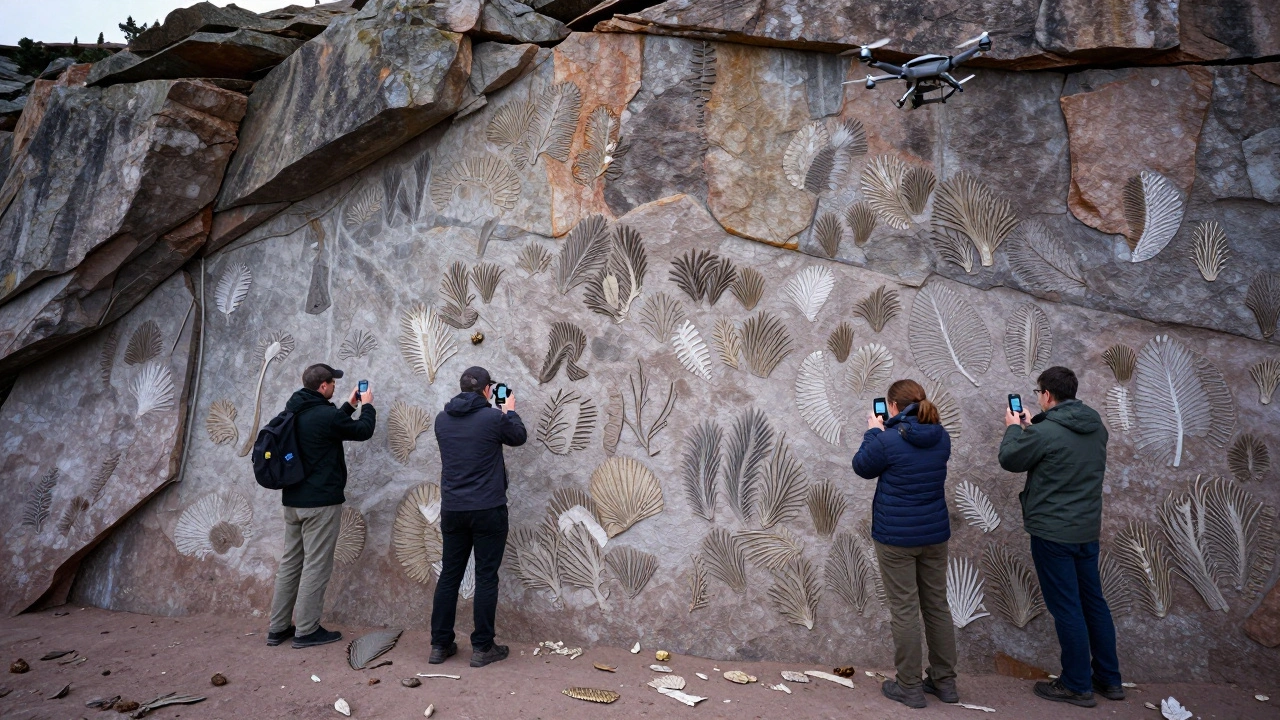
The Fossil Record of Sex: How Scientists Uncover Ancient Reproductive Strategies
Dec 7 2025 / History & ArchaeologyPaleontologists are uncovering how ancient life reproduced over 500 million years ago using spatial analysis, embryonic fossils, and advanced imaging. Discover how sex evolved long before dinosaurs-and why it changes everything we thought about early life.
VIEW MORE