Pederasty: The History, Ethics, and Cultural Context of Adult-Child Sexual Relationships
When we talk about pederasty, a historically documented relationship between an adult male and a younger male, typically in adolescence. Also known as adult-boy sexual relationships, it was once institutionalized in some ancient societies as part of mentorship and socialization—but today, it’s universally recognized as a form of child sexual abuse under modern law and ethics. The word itself comes from ancient Greek, meaning "love of boys," and for centuries, it wasn’t seen as deviant—it was expected in places like Athens and Sparta. But what we now know about brain development, power imbalance, and lifelong trauma makes that history impossible to ignore without confronting its harm.
Understanding pederasty means looking at how culture shapes what’s considered normal. In ancient Greece, these relationships were tied to military training, education, and social status. The older man, or erastes, was supposed to guide the younger, the eromenos, into manhood. But even then, there were rules: the boy had to be free-born, not enslaved, and the relationship was meant to end when he reached adulthood. Today, we see those rules as flimsy excuses for exploitation. Modern research shows that any sexual contact between an adult and a minor causes measurable psychological damage—regardless of how "willing" the child seemed. The idea of consent in these situations is a myth. Children can’t fully understand sexual power dynamics, let alone give informed consent.
That’s why the shift from historical acceptance to modern criminalization matters. Countries that once tolerated or even celebrated these relationships now prosecute them as serious felonies. The legal definition of child sexual abuse has expanded to include not just physical acts, but grooming, manipulation, and exploitation through digital means. Even in places where laws lag, public opinion has moved decisively: no credible institution today defends pederasty as a cultural tradition. Instead, we focus on prevention, education, and survivor support.
What you’ll find in the posts below isn’t a celebration of the past—it’s a clear-eyed look at how sexuality, power, and control have been twisted across time. From Victorian moral panic to ancient tomb paintings, these articles trace how societies have tried to explain, hide, or justify adult-child sexual dynamics. You’ll see how language, law, and shame have shaped what we’re allowed to say—and what we’re forced to silence. This isn’t about nostalgia. It’s about understanding how we got here, so we don’t go back.
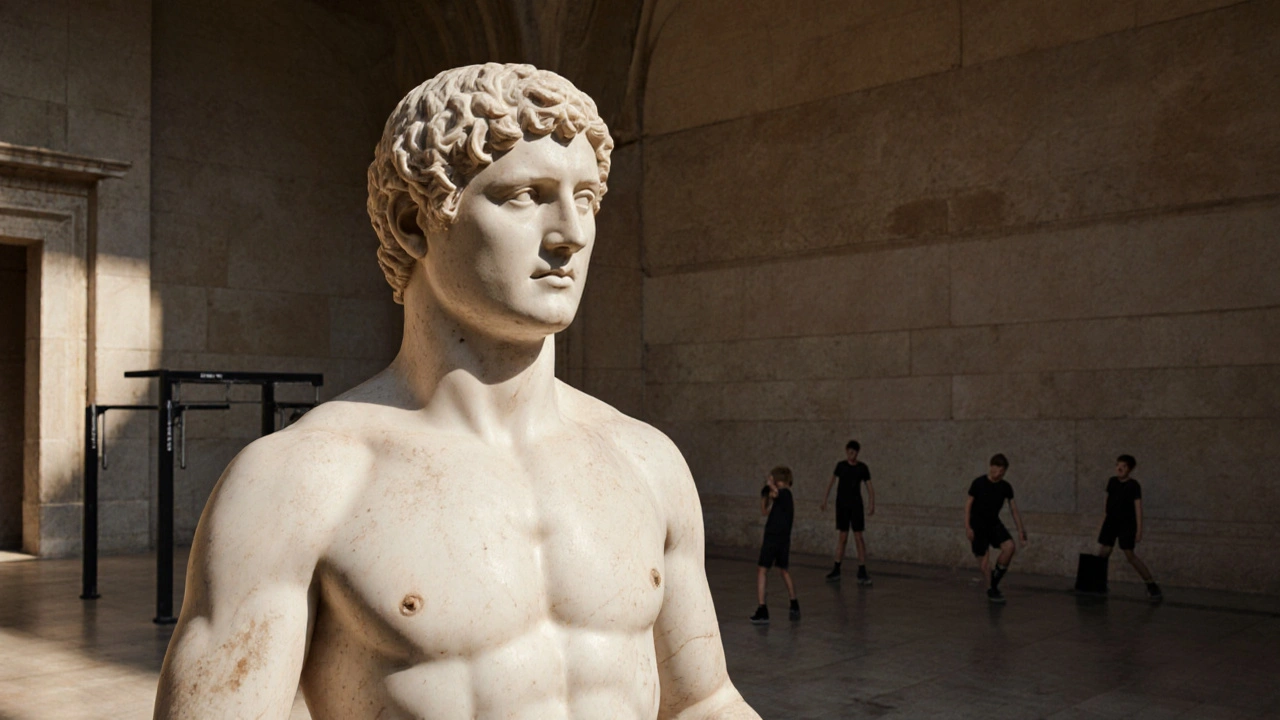
Male Beauty Ideals in Classical Greece: Youth, Kalokagathia, and Desire
Nov 15 2025 / History & ArchaeologyKalokagathia was the ancient Greek ideal that fused physical beauty, moral virtue, and intellectual strength in the male citizen. This article explores how youth, desire, and public training shaped Athenian identity-and why it still echoes today.
VIEW MORE