Peer-Led Programs: How Communities Drive Sexual Health and Education
When it comes to learning about sex, many of us didn’t get the facts from school or parents—we learned from friends, partners, or online communities. That’s where peer-led programs, community-based initiatives where people teach each other about sex, health, and consent without formal authority. Also known as peer education, these programs fill the gaps left by institutions that avoid real talk about desire, boundaries, and pleasure. They’re not flashy, but they work. Studies show people remember info better when it comes from someone they trust, not a lecture hall. And when it comes to sex, trust matters more than credentials.
These programs aren’t new. In the 1970s, feminist collectives in the U.S. started hosting workshops on self-pleasure and reproductive rights, handing out pamphlets made on mimeograph machines. Today, that same energy lives in LGBTQ+ youth groups teaching consent, sex workers running safety trainings, and college students leading workshops on anal health or birth control myths. What ties them together? They treat sex as something people already know—just never been allowed to say out loud. peer support, the practice of sharing lived experience to help others navigate challenges becomes a tool for healing, not just teaching. It’s why a woman who survived coercive sex can help another recognize the signs—because she’s been there. And community health, the idea that health outcomes improve when people are involved in designing their own care isn’t just a buzzword here—it’s the whole point.
These efforts don’t replace doctors or therapists. They make those services more effective. When someone walks into a clinic after learning about STI testing from a peer, they’re less scared, more informed, and more likely to follow through. That’s the power of shared experience. You won’t find these programs in most policy papers, but you’ll find them in dorm rooms, support groups, and online forums where people are tired of silence. The posts below dive into the history behind this movement—from feminist sex education to the quiet rebellion of women sharing orgasm facts in the 1980s, to how bisexual youth today are teaching each other how to survive biphobia in queer spaces. This isn’t theory. It’s real people, talking to real people, making sex less lonely and more honest.
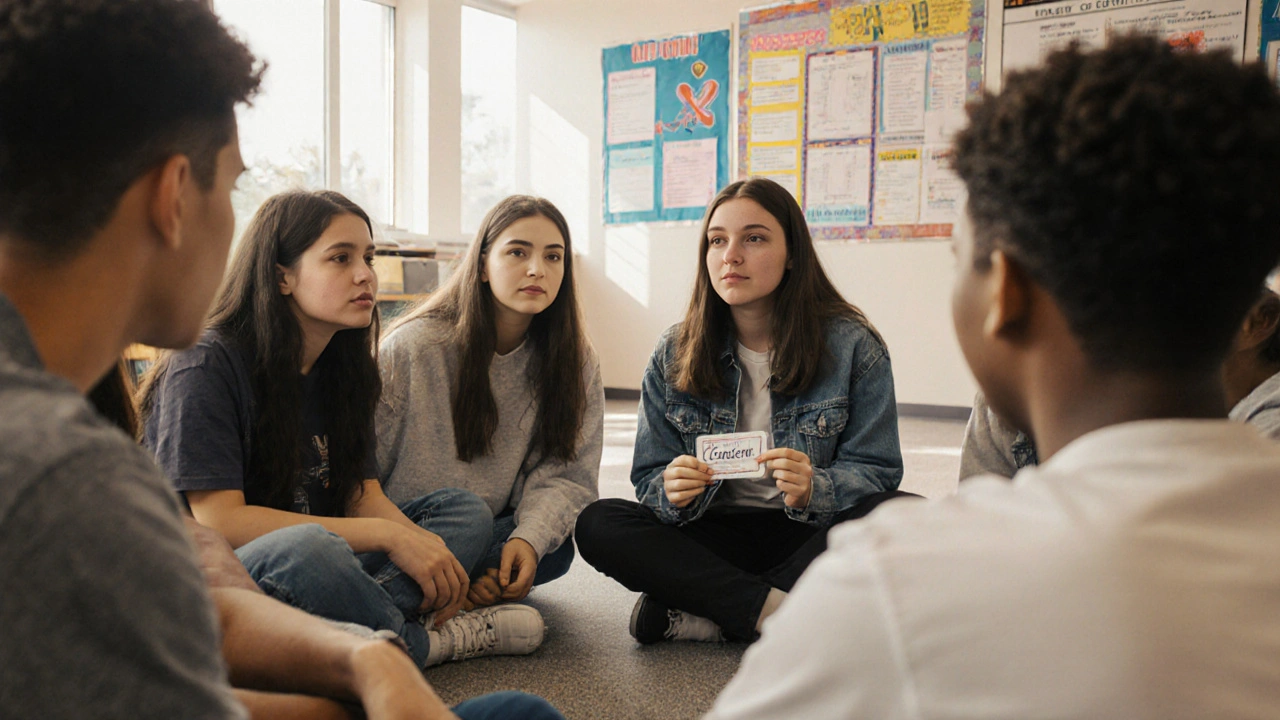
Peer Education Models in Sexual Health: Benefits and How to Implement Them
Nov 23 2025 / Health & WellnessPeer education models in sexual health use trained teens to teach peers about contraception, consent, and STIs. Research shows they improve knowledge, increase condom use, and reduce unintended pregnancies more effectively than traditional sex ed-when properly supervised.
VIEW MORE