Pink Triangle: The Symbol That Turned Shame Into a Movement
When the pink triangle, a badge used by the Nazi regime to identify and persecute gay men in concentration camps. Also known as Rosa Winkel, it was meant to mark, humiliate, and erase. But instead of disappearing, it rose again—worn on protest signs, stitched onto jackets, painted on pride flags. This wasn’t just a symbol. It was a rebellion.
The Nazi persecution, the systematic targeting of LGBTQ+ people under Paragraph 175, which criminalized male homosexuality didn’t just jail men—it destroyed families, erased identities, and silenced voices. Thousands died in camps. Those who survived often faced silence after the war; the law stayed in place, and many were re-imprisoned. Meanwhile, the LGBTQ+ history, the long, hidden record of queer lives, resistance, and survival across centuries was being rewritten by those who refused to forget. In the 1970s, activists in West Germany and the U.S. dug up these stories. They took the pink triangle—not as a mark of guilt, but as proof of survival. They turned it into a weapon.
It wasn’t just about memory. It was about power. The gay rights symbol, a reclaimed emblem that transformed a tool of oppression into one of unity and defiance became central to groups like ACT UP, who used it on posters demanding action during the AIDS crisis. It reminded the world: we were here before, we’re here now, and we won’t be erased again. The queer resistance, the organized, often underground fight for dignity, visibility, and legal protection didn’t start with marriage equality or rainbow logos. It started with a triangle on a prisoner’s chest—and the courage to wear it again, on their own terms.
What you’ll find below are stories that trace how shame became strength. From the hidden archives of persecuted men to the bold acts of reclaiming identity, these articles don’t just document history—they show how symbols live, change, and fight back. This isn’t just about the past. It’s about how we carry memory forward—and why some symbols refuse to fade.
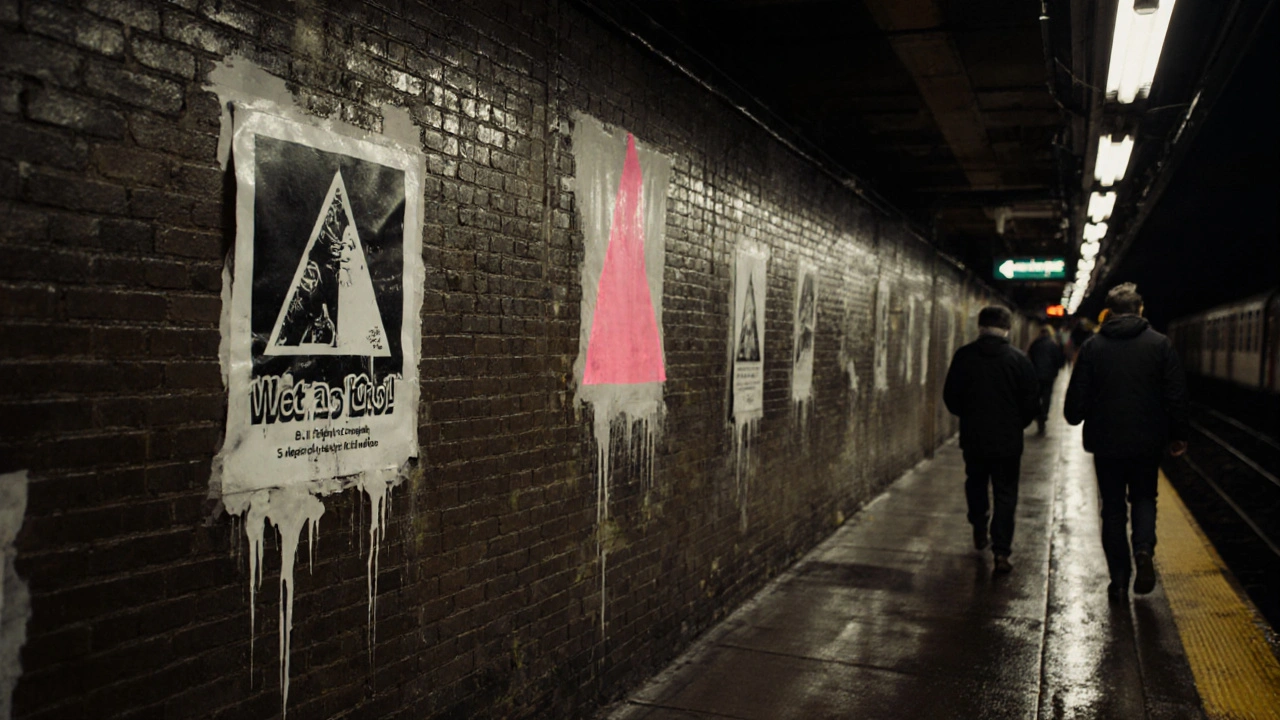
Silence = Death: How a Simple Poster Ignited the AIDS Activist Movement
Oct 31 2025 / LGBTQ+ HistoryThe 'Silence = Death' poster, created in 1986 by a group of gay activists, became the defining symbol of the AIDS crisis. It turned grief into action, sparked ACT UP, and changed how movements fight for justice.
VIEW MORE