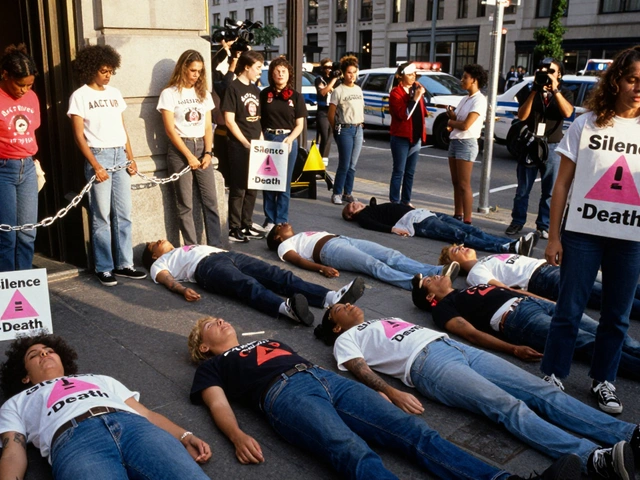
The year was 1986. People were dying by the thousands. Hospitals overflowed. Families abandoned their sons. The government said nothing. And in New York City, six gay men decided to stop waiting for someone else to speak up. They made a poster. Just two words. One symbol. Silence = Death.
The Poster That Didn’t Ask for Permission
It wasn’t meant to be art. It wasn’t meant to win awards. It was meant to wake people up. The Silence=Death Project-Avram Finkelstein, Brian Howard, Oliver Johnston, Charles Kreloff, Chris Lione, and Jorge Socárras-didn’t have funding. They didn’t have a nonprofit. They had a Xerox machine, a roll of wheat paste, and a burning need to be seen. They chose the pink triangle deliberately. Not because it was pretty. Not because it was trendy. Because it was stolen. In Nazi Germany, gay men were forced to wear it. Marked. Hunted. Killed. Decades later, the same symbol was reclaimed-not as shame, but as a weapon. The poster didn’t say "we’re sad." It said: your silence is killing us. The design was stripped down to bare bones. No photos of suffering. No crying families. No medical diagrams. Just black text on a white background. The pink triangle, centered. No logos. No websites. No hashtags. Just a message that couldn’t be ignored. They spent six months arguing over every pixel. Font size. Background shade. Even the spacing between letters. Why? Because they knew this poster had to work on two levels. For the gay community: you’re not alone. Fight back. For the rest of the world: we’re already organized. You’re too late to ignore us.Wheat-Pasting Revolution
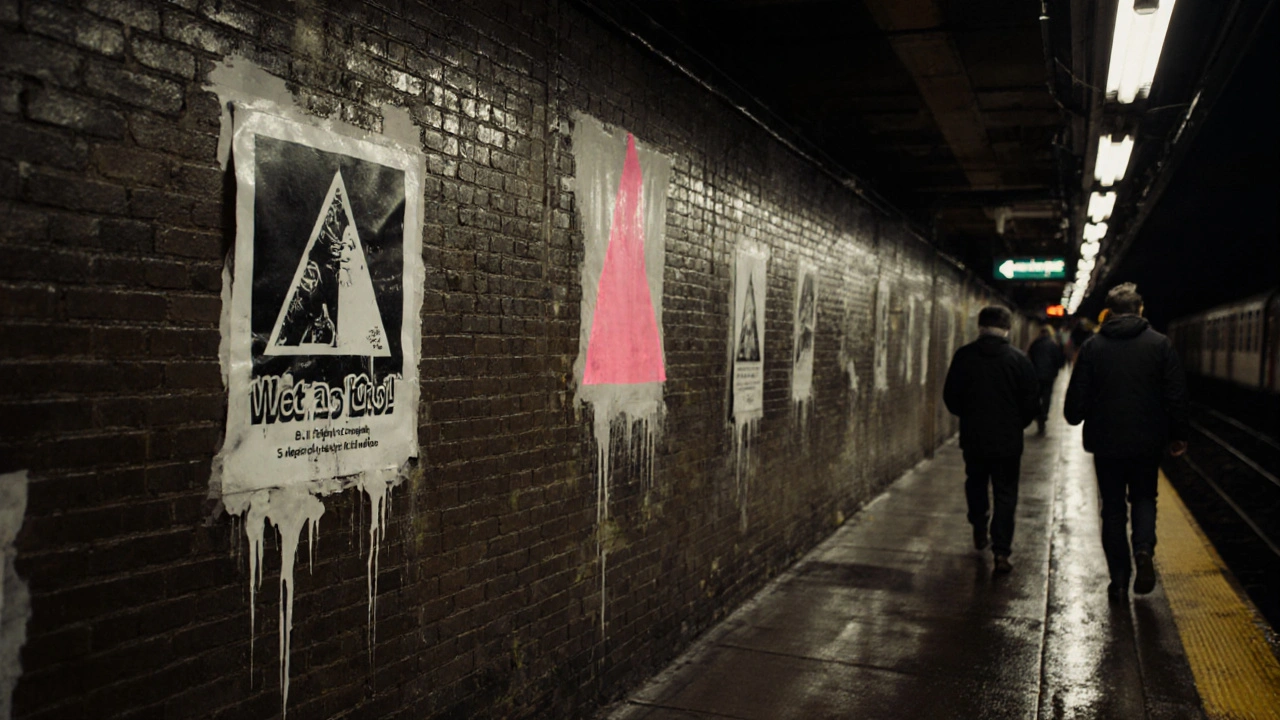
In mid-March 1987, the posters started appearing. On subway walls. On lampposts. On the sides of buildings in Times Square. They were pasted up overnight, like graffiti, like rebellion. No permits. No permission. Just urgency. People noticed. Not because it was loud-it wasn’t. But because it was quiet in the most terrifying way. No screams. No rage. Just a cold equation: silence equals death. And suddenly, everyone who had been looking away felt the weight of their own silence. Within weeks, ACT UP formed. On March 10, 1987, Larry Kramer stood in front of a crowd and said, "Half of you will be dead in a year." The room didn’t cry. They got up. They marched. And they carried the Silence=Death poster. The original poster had mistakes. "The Center for Disease Control"-singular. "Federal Drug Administration"-wrong name. The Silence=Death Project didn’t fix them. They didn’t care. But ACT UP did. They corrected the errors. Added "© 1987 AIDS Coalition to Unleash Power" in the bottom right. And suddenly, the poster wasn’t just a statement. It was a movement’s logo.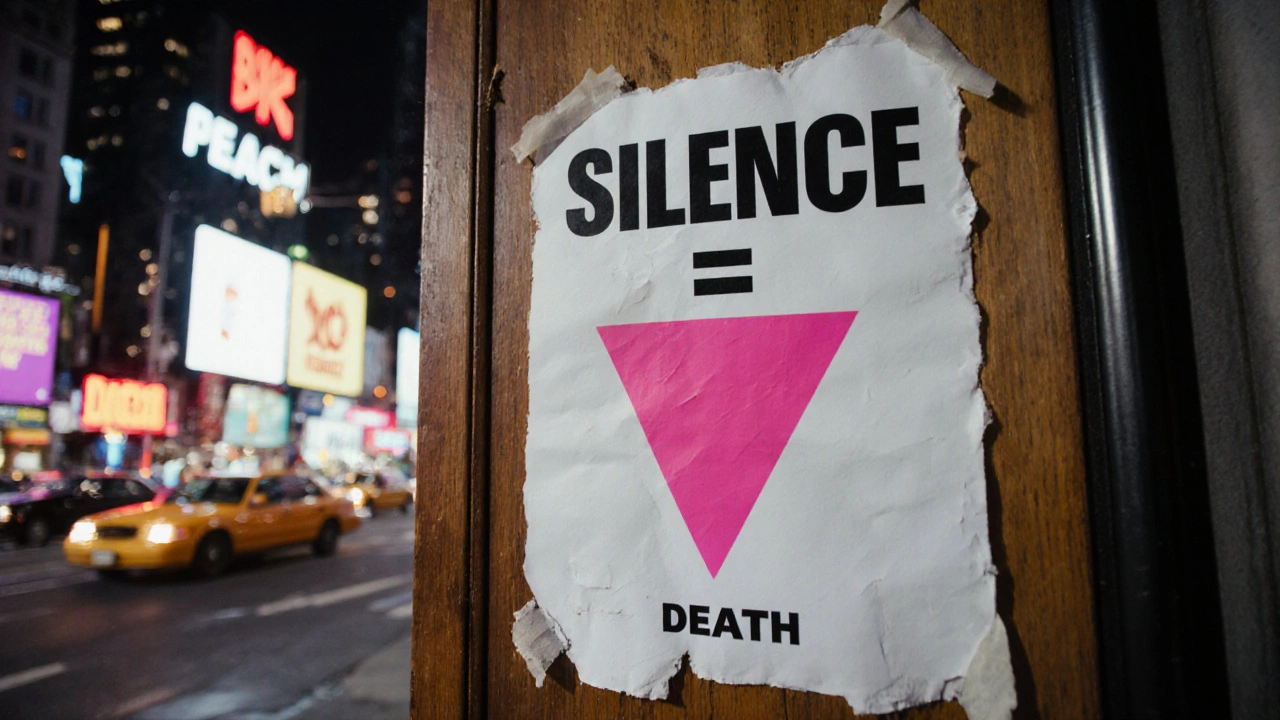
Why This Poster Worked When Nothing Else Did
Other groups tried to raise awareness. They held candlelight vigils. They handed out pamphlets. They begged the media for coverage. The government called AIDS a "gay plague." Reagan didn’t say the word until 1985. By then, 40,000 Americans were dead. The Silence=Death poster didn’t ask for sympathy. It demanded accountability. It didn’t show bodies. It showed consequence. And it did it in a language everyone understood: advertising. "Advertisement," Finkelstein said, "has become the folk language of capitalism." So they used its tools. Clean. Bold. Repetitive. Designed to stick in your brain. The same way a soda commercial makes you thirsty, this poster made you angry. It worked because it was simple enough to be remembered, but deep enough to be debated. Was it too aggressive? Too dark? Too political? That was the point. Silence wasn’t safe anymore. And the poster made sure everyone knew it.The Symbol That Outlived the Crisis
ACT UP didn’t just protest. They changed policy. They forced the FDA to speed up drug approvals. They made insurance companies cover experimental treatments. They turned funerals into demonstrations. And the poster? It went everywhere. It was on T-shirts at protests. Painted on walls in San Francisco. Stenciled on the doors of the White House. Used in congressional hearings. Even the Metropolitan Museum of Art called it "among the most recognizable political posters of the twentieth century." It wasn’t just a symbol for AIDS. It became a template for resistance. The pink triangle was used in anti-racism protests. In trans rights marches. In climate actions. The formula stayed the same: name the silence. Name the death. Make it impossible to look away. In 2017, the Leslie Lohman Museum in New York reinstalled the poster-with a new line added at the bottom: "Be Vigilant. Refuse. Resist." It wasn’t nostalgia. It was a warning. The silence hadn’t gone away. It had just changed shape.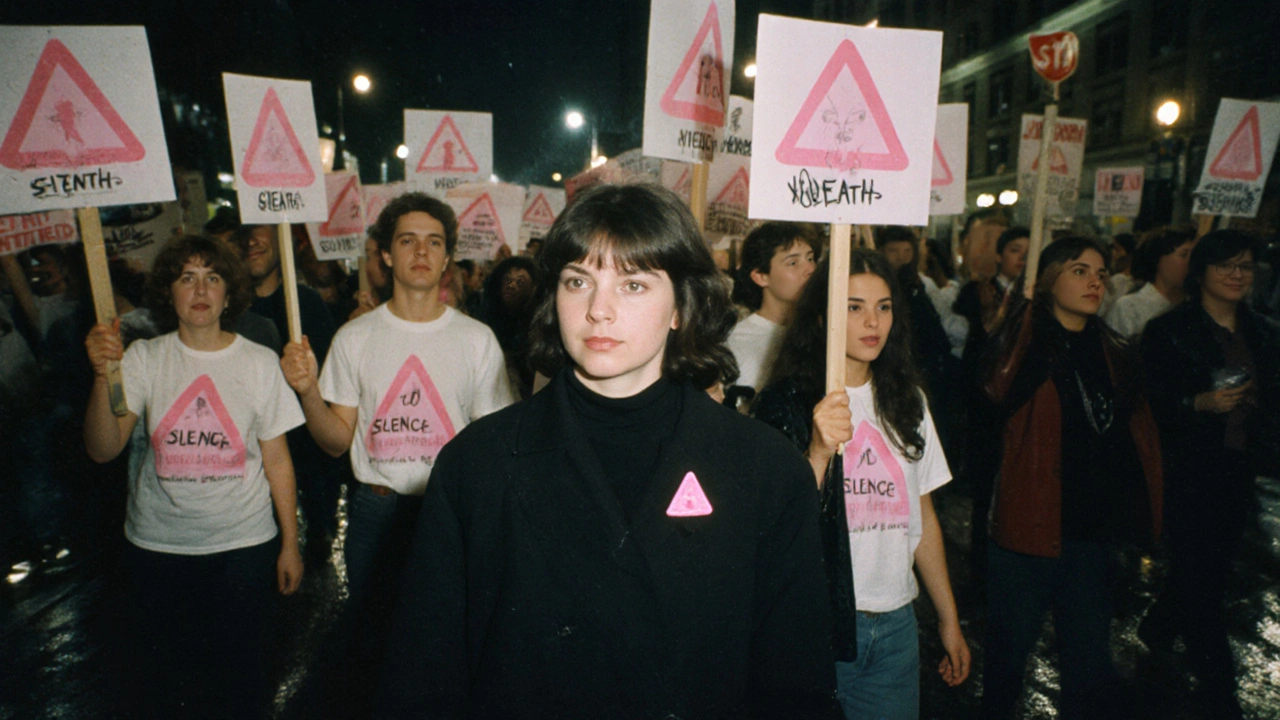
What Happens When Silence Wins
The AIDS crisis didn’t end because people got lucky. It ended because people stopped being quiet. The poster didn’t cure HIV. But it made sure people had access to the drugs that did. It made sure research got funded. It made sure dying people weren’t left alone. Today, HIV is treatable. People live long lives. But the lesson of Silence=Death isn’t about medicine. It’s about power. Who gets to speak? Who gets ignored? Who gets to die quietly? Look at the opioid epidemic. Look at maternal mortality in Black communities. Look at the silence around trans youth suicides. The same equation applies. Silence = Death. The poster didn’t just belong to the 1980s. It belongs to every movement that refuses to wait for permission to speak.The Legacy Isn’t in the Poster-It’s in the People
The six creators never became celebrities. They didn’t write books. They didn’t get TED Talks. They just made something that mattered. And then they stepped back. The real legacy isn’t the image. It’s the thousands of people who saw that poster and said, "I’m not staying silent anymore." It’s the nurse who smuggled out experimental drugs. The mother who stood in front of Congress and demanded answers. The student who started a campus group. The stranger who pinned a pink triangle to their jacket and walked into a room full of people who didn’t understand why it mattered. That’s what made the poster immortal. Not the design. Not the museum exhibits. Not the viral tweets decades later. It was the people who turned a piece of paper into a revolution.Who created the Silence = Death poster?
The Silence=Death poster was created in 1986 by a six-person collective of gay men in New York City: Avram Finkelstein, Brian Howard, Oliver Johnston, Charles Kreloff, Chris Lione, and Jorge Socárras. They were artists, designers, and activists who had no formal funding but a clear mission: break the silence around AIDS.
Why is the pink triangle used in the poster?
The pink triangle was originally used by the Nazis to identify and persecute gay men in concentration camps. The Silence=Death Project reclaimed it as a symbol of resistance-turning a mark of shame into a badge of defiance. It connected the AIDS crisis to historical LGBTQ+ oppression, forcing people to see that silence today could lead to the same violence of the past.
How did the poster lead to the formation of ACT UP?
The poster appeared on New York City streets in March 1987. Within weeks, people who saw it began organizing. On March 10, 1987, activist Larry Kramer gave a fiery speech at the Lesbian and Gay Community Services Center, saying half the audience would be dead within a year. That night, ACT UP was formed. The poster became their visual anchor-quickly adopted, corrected, and spread nationwide.
Why did ACT UP change the text on the poster?
The original poster had two factual errors: it called the "Center for Disease Control" (singular) and the "Federal Drug Administration." ACT UP corrected these to "Centers for Disease Control" and "Food and Drug Administration" when they adopted the image. They also added "© 1987 AIDS Coalition to Unleash Power" to claim ownership and show the poster was now part of an organized movement-not just an art piece.
Is the Silence = Death poster still used today?
Yes. In 2017, the Leslie Lohman Museum reinstalled the poster with the addition: "Be Vigilant. Refuse. Resist." It’s been used in protests for trans rights, racial justice, and climate action. The poster’s power isn’t in its age-it’s in its structure. When systems ignore suffering, the equation remains true: Silence = Death.