Placental Mammals: How Evolution Shaped Sex, Reproduction, and Human Biology
When we talk about placental mammals, a group of mammals that give birth to live young after a long gestation supported by a placenta. Also known as eutherians, they include humans, whales, bats, and elephants—basically every mammal you think of except kangaroos and platypuses. This group didn’t just evolve to survive—they evolved to reproduce in ways that shaped everything from female pleasure to medical tech like IVF. The placenta itself is a biological miracle: it’s the lifeline between mother and baby, pulling nutrients, oxygen, and hormones across the boundary of two separate bodies. It’s also why human pregnancies last nine months instead of a few weeks, and why our babies are so helpless at birth compared to, say, a deer.
But here’s the twist: placental mammals are the reason the female orgasm even exists. Scientists used to think it was just a side effect of male orgasm—like male nipples. But research shows it’s tied to an ancient trigger. Long ago, female mammals needed orgasm to release eggs—induced ovulation. Think cats or rabbits. Over time, humans lost that link, but kept the pleasure system. That’s why most women need direct clitoral stimulation to climax. The female orgasm isn’t for reproduction anymore—it’s an evolutionary leftover with a purpose we’re still figuring out. And it’s not just about biology. The same evolutionary pressures that shaped reproduction also shaped how we think about sex, shame, and control. Victorian doctors blamed masturbation on everything from madness to blindness, but they were fighting a biological truth: our bodies are wired for pleasure, not just procreation.
Placental mammals also explain why IVF works the way it does. The HCG trigger shot? It’s mimicking the natural hormone surge that tells the ovary to release an egg—just like in other placental mammals. The 34-36 hour window before retrieval? That’s borrowed from nature. Even the idea of separating sex from reproduction—using technology to bypass the body’s natural timing—only makes sense because we’re placental mammals with complex hormonal systems. This isn’t sci-fi. It’s applied biology, rooted in 100 million years of evolution.
And it’s not just about bodies. The way we treat sex work, consent, and gender roles? All tangled up in how placental mammals reproduce. Medieval marriages were economic deals to protect lineage. Victorian women were locked into domestic roles because their biology was seen as a liability. Even today, when we argue about abortion rights or IVF access, we’re arguing over who controls the biology that makes placental mammals—like us—possible.
Below, you’ll find articles that dig into the real stories behind these ideas: how female pleasure was erased from medical records, how Victorian doctors invented myths about masturbation, how ancient cultures used sex in rituals to prepare for death, and how modern science is finally catching up to what evolution already knew. This isn’t just history. It’s your body’s story—written in genes, hormones, and centuries of silence.
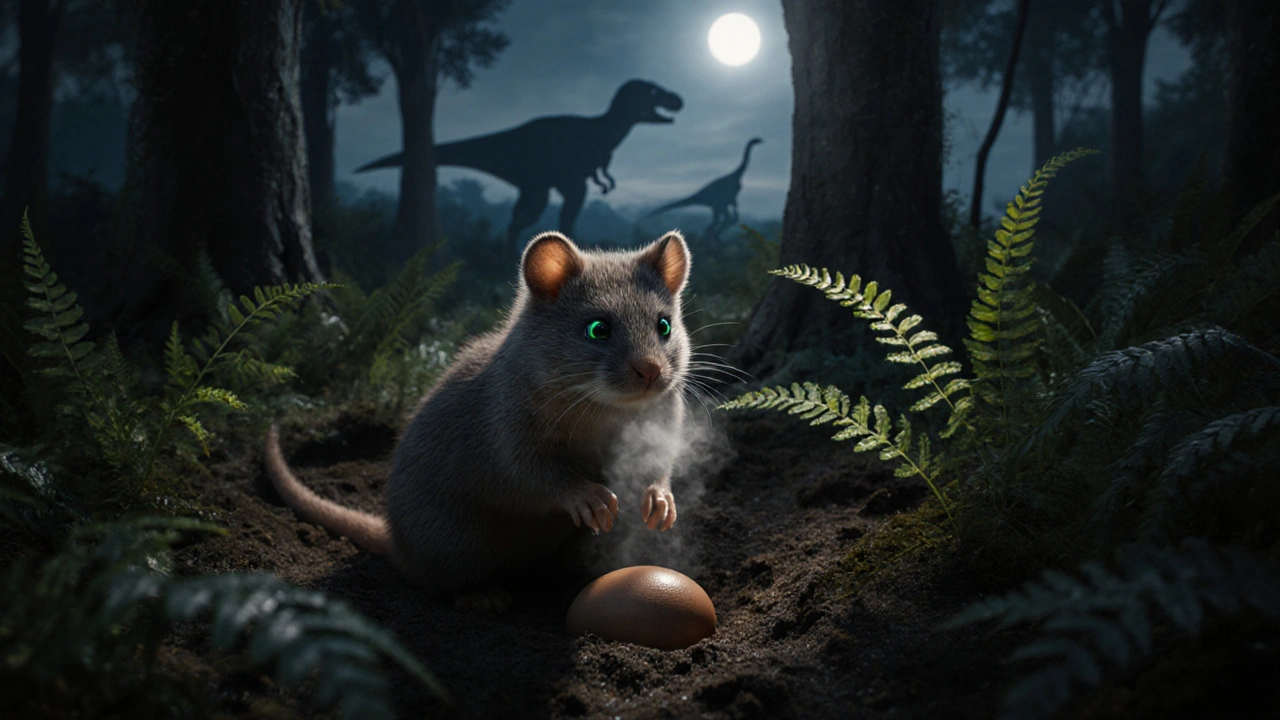
The Origins of Mammalian Reproduction: From Eggs to Live Birth
Oct 31 2025 / History & ArchaeologyMammalian reproduction began with egg-laying and evolved into live birth over 200 million years. Monotremes still lay eggs, while marsupials and placentals developed different ways to nurture young inside and after birth.
VIEW MORE