Plan B: What It Really Means in Sex, History, and Survival
When people talk about Plan B, an emergency contraceptive pill used to prevent pregnancy after unprotected sex. Also known as the morning-after pill, it's not just medicine—it's a political flashpoint, a legal battleground, and for many, the only thing standing between a life they planned and one they didn't. It doesn’t cause abortion. It doesn’t erase an embryo. It delays ovulation, stops sperm from fertilizing, or prevents a fertilized egg from implanting—depending on where you are in your cycle. That’s it. But because it touches on control over bodies, religion, and gender, it’s been twisted, banned, and misunderstood for decades.
Plan B exists because reproductive rights, the legal and social ability to make decisions about pregnancy and contraception. Also known as bodily autonomy, it has been fought over since the 1800s, when women were jailed for distributing birth control. Before Plan B, there were dangerous herbal teas, coat hangers, and silent suffering. Before that, there were midwives and secret knowledge passed between women. Plan B is the latest tool in a centuries-long struggle for sexual autonomy, the right to decide when, how, and if to engage in sex and reproduction without coercion or state interference. Also known as self-determination in sexuality, it’s what Anne Koedt fought for when she exposed the vaginal orgasm myth, and what Roe v. Wade tried to protect before it was overturned. This isn’t about promoting sex. It’s about giving people a chance to recover from mistakes, violence, or bad luck without losing control of their future.
Look at the posts here. You’ll find articles about Victorian doctors who called masturbation a disease, Etruscan tombs that celebrated sex as sacred, and police raids on gay bars because people dared to gather. Plan B fits right in. It’s the modern version of the same fight: who gets to decide what happens to a body? Who gets to say yes—or no? The history of sex isn’t just about pleasure. It’s about power. And Plan B is one of the few tools that lets someone push back.
Some states restrict it. Some pharmacies refuse to stock it. Some people still think it’s an abortion pill. But the science is clear. The demand is real. And the women, trans folks, and nonbinary people who need it aren’t asking for permission—they’re asking for access. What you’ll find below isn’t just a list of articles. It’s a map. A map of how we got here, who got silenced, and how people kept fighting—even when the law, the church, and the doctors said no. This is the history of survival. And Plan B is just one chapter.
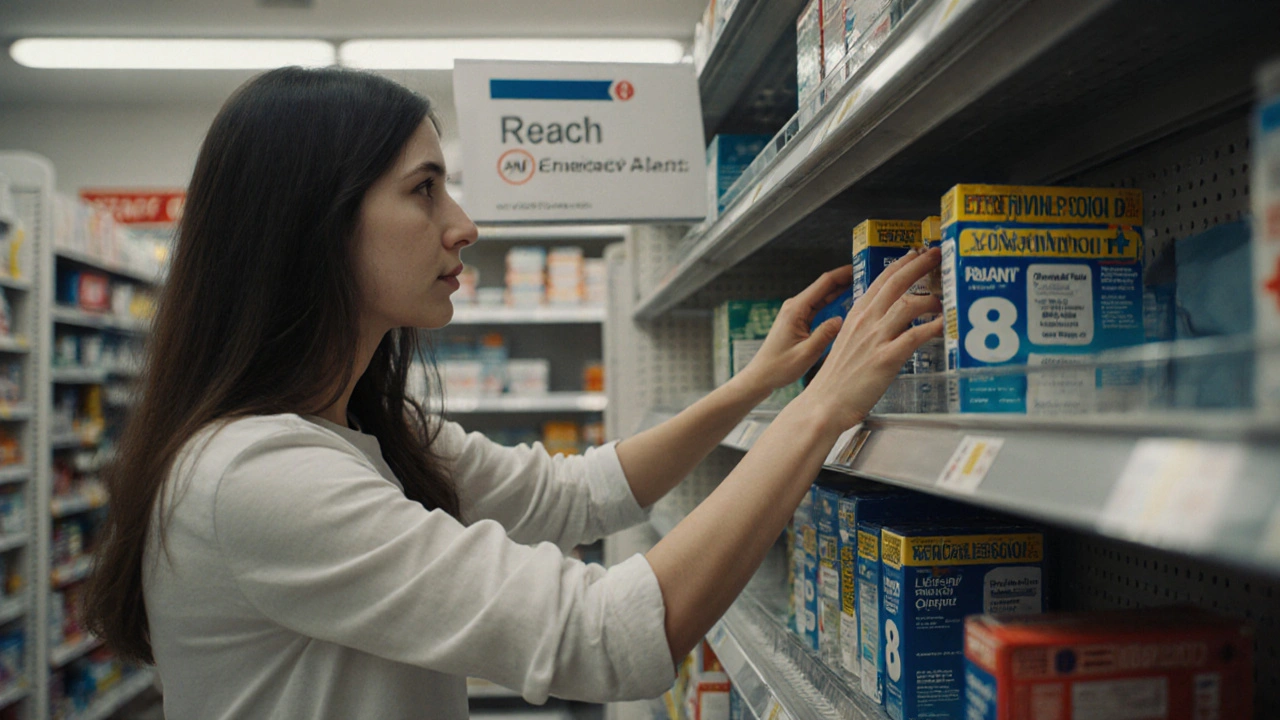
Emergency Contraception: How It Works, Who Has Access, and Why It’s Still Controversial
Nov 18 2025 / Health & WellnessEmergency contraception has saved millions of lives since the 1960s, but access remains unequal. Learn how Plan B, the copper IUD, and other methods work-and why so many still can't get them when they need to.
VIEW MORE