Police Raids on Gay Bars: The History, Impact, and Legacy of Anti-LGBTQ+ Policing
When you hear police raids on gay bars, systematic, violent crackdowns on spaces where LGBTQ+ people gathered to socialize, find community, and express identity. These raids weren’t random—they were state-sanctioned harassment, enforced under laws that criminalized same-sex attraction, cross-dressing, and even dancing with someone of the same gender. In cities across the U.S. and beyond, bars like the Stonewall Inn in New York, the Compton’s Cafeteria in San Francisco, and the Black Cat in Los Angeles became targets not because they broke the law, but because their patrons did.
Stonewall Uprising, the 1969 rebellion sparked by a police raid on the Stonewall Inn. This wasn’t the first raid, but it was the first time the community fought back en masse. For days, patrons, drag queens, transgender women, and street youth stood their ground against police brutality. The gay rights movement, a collective push for legal equality, dignity, and visibility for LGBTQ+ people didn’t begin at Stonewall—but it found its voice there. Before that, most LGBTQ+ people lived in fear. Police could enter any bar, demand IDs, arrest people for wearing "improper clothing," and publicly out them in newspapers. Many lost jobs, families, and even custody of their children after a single raid.
anti-LGBTQ+ policing, a pattern of law enforcement targeting queer spaces under vague morality laws lasted well into the 1980s and beyond. Even after decriminalization, raids continued under the guise of "public nuisance" or "liquor license violations." Bars were forced to install one-way mirrors, avoid playing music, and ban same-sex dancing. Some owners paid off police just to stay open. But resistance grew. Activists documented raids, sued cities, and built networks of mutual aid. The courage of those who refused to hide—trans women of color, drag performers, homeless youth—made the difference.
What you’ll find in the posts below isn’t just history—it’s the raw, unfiltered truth of how oppression shaped identity, how silence was broken, and how communities turned pain into power. These stories aren’t relics. They’re the foundation of every Pride parade, every legal victory, every person who now feels safe being themselves. This is the legacy of those who said no to the raid—and yes to freedom.
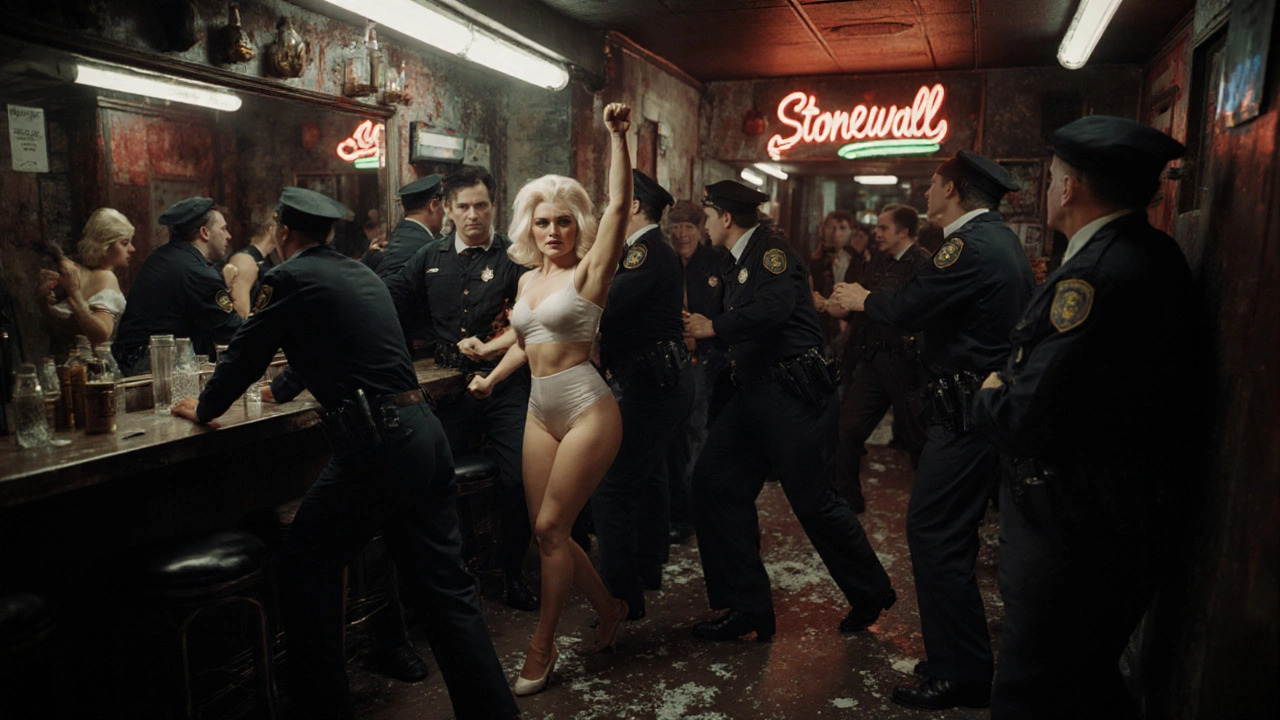
Police Raids on Gay Bars: Harassment, Resistance, and the Fight for Legal Change
Nov 11 2025 / LGBTQ+ HistoryFrom systematic police raids on gay bars to the Stonewall uprising and beyond, this is the story of how LGBTQ+ communities resisted oppression, forced legal change, and reclaimed their right to exist publicly.
VIEW MORE