Pressure in Sex History: Shame, Power, and the Silent Forces Shaping Desire
When we talk about pressure, the invisible force that shapes how people experience, hide, or express sexuality. Also known as social coercion, it’s not just about being told what to do—it’s about the weight of silence, stigma, and centuries of rules disguised as morality. Pressure didn’t start with social media. It began in Victorian clinics where doctors told women masturbation would cause madness. It lived in courtrooms where lesbian relationships were erased from records. It echoed in church pulpits that called same-sex desire a sin, and in homes where boys were taught to suppress emotion or risk being called weak.
Pressure isn’t just external—it becomes internal. sexual shame, the deep-rooted guilt tied to desire, especially in women and LGBTQ+ people turns curiosity into secrecy. That’s why Anne Koedt had to write in 1968 that female orgasm isn’t about vaginal penetration—it’s about the clitoris, and society had lied about it for centuries. That’s why bisexual people still get asked, "Which one are you really?"—because pressure demands you pick a side, even when your identity doesn’t fit. And pressure is why police raided gay bars for decades: not because of law, but because power couldn’t tolerate public queer joy.
Pressure also hides in the language we use. "Female hysteria" wasn’t a diagnosis—it was a tool to control women who spoke up or sought pleasure. The "separate spheres" idea didn’t just divide men and women—it made women’s bodies into property, and men’s desires into natural law. Even now, pressure tells men they shouldn’t cry, women shouldn’t want too much, and queer people shouldn’t exist outside the margins. But history shows us: pressure doesn’t last. It cracks. It’s cracked by activists who fought for Roe v. Wade, by Etruscans who painted sex on tombs as sacred, by women who used steam vibrators to defy doctors who called them insane. These stories aren’t just past—they’re proof that pressure can be resisted, rewritten, and undone.
Below, you’ll find real stories from history where pressure shaped desire, silenced voices, and sparked revolutions. Some are about medical lies. Others are about hidden pleasure, erased identities, or the quiet courage it took to say "no"—or "yes"—when the world said you shouldn’t. This isn’t theory. It’s lived experience. And it’s still happening.
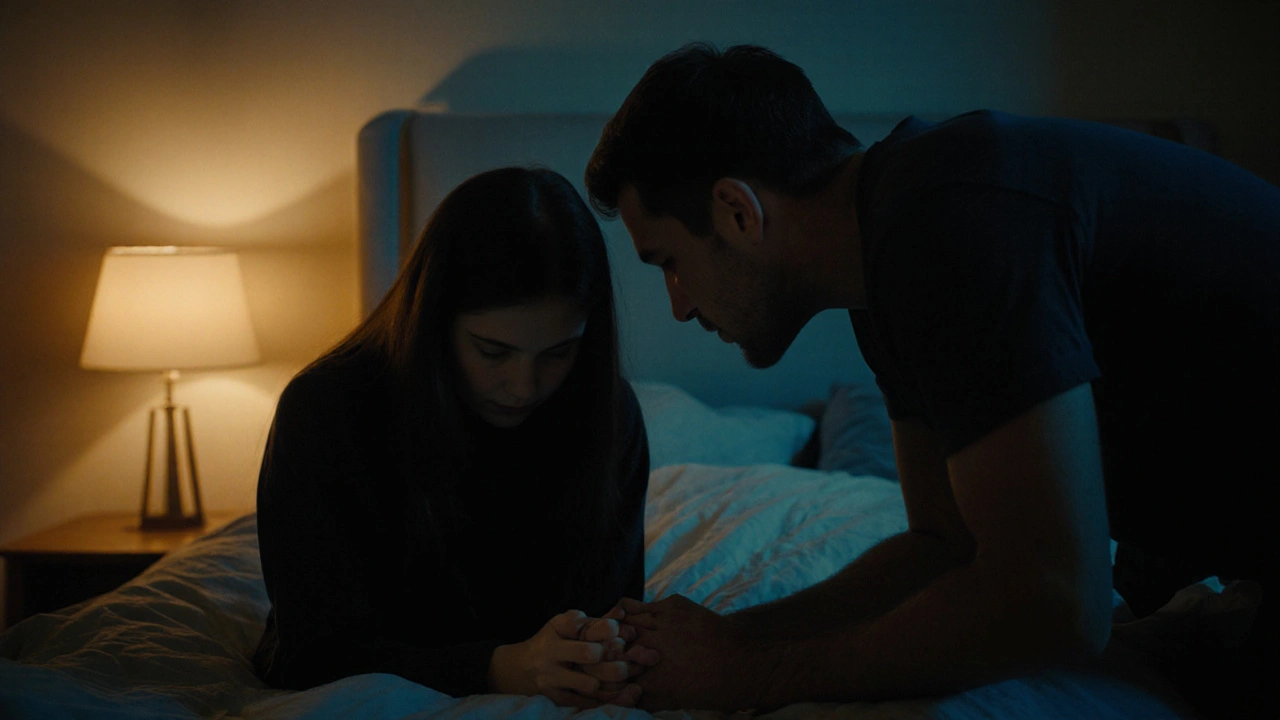
Coercion and Consent: Understanding the Spectrum of Pressure
Nov 21 2025 / Social PolicyCoercion isn't always violent - it's often quiet, emotional, and hidden in relationships. Understanding the spectrum of pressure helps us recognize when 'yes' isn't really yes - and how to build true consent.
VIEW MORE