Reproductive Equity: What It Means, Why It Matters, and How History Shapes Today’s Fight
When we talk about reproductive equity, the fair distribution of resources, rights, and care needed to make decisions about one’s own body and reproduction. Also known as reproductive justice, it’s not just about clinics or pills—it’s about who gets to choose, who gets silenced, and who’s left out because of race, class, or where they live. This isn’t new. For centuries, women, queer people, and marginalized communities have been controlled through laws, medicine, and shame. The idea that someone else—doctors, lawmakers, religious leaders—should decide if you can get pregnant, carry a pregnancy, or end it, is rooted in old systems of power that still echo today.
Take Roe v. Wade, the 1973 Supreme Court decision that recognized a constitutional right to abortion until fetal viability. Also known as the abortion rights landmark, it was never the end of the fight—it was just one moment in a longer war over bodily autonomy, the fundamental right to control what happens to your own body without coercion or interference. Before Roe, women died from back-alley abortions. After Roe, they still faced clinic closures, waiting periods, and targeted laws designed to make access impossible. And after Dobbs in 2022, those barriers became walls. But this isn’t just about abortion. It’s about IVF access, birth control coverage, maternal healthcare, and whether a pregnant person can get the care they need without being judged, fined, or jailed. Gender equity, the systemic fairness in rights, opportunities, and treatment across genders doesn’t exist when your ability to plan your life is tied to your zip code or your income.
History shows us this isn’t accidental. The Victorian era treated female pleasure as a medical problem. Medieval marriages were economic deals. Police raided gay bars to control who could love openly. Even the clitoris was erased from medical textbooks for decades. All of these moments—whether about masturbation, marriage, or menstrual cycles—were about control. Today, reproductive equity is the direct result of people fighting back: activists who demanded better data, women who shared their stories, doctors who broke silence, and communities that built mutual aid networks when the system failed them. What you’ll find in the posts below isn’t just history. It’s the blueprint. From the banned dildo poems of Elizabethan England to the steam-powered vibrators sold as medical devices, from the erasure of lesbian archives to the legal battles over housing and employment for LGBTQ+ people—this is all connected. The same forces that silenced women’s pleasure also shaped who gets to parent, who gets to be safe, and who gets to be seen. This collection doesn’t just explain reproductive equity. It shows you how it was won, how it’s being taken away, and how it’s still being fought for—right now.
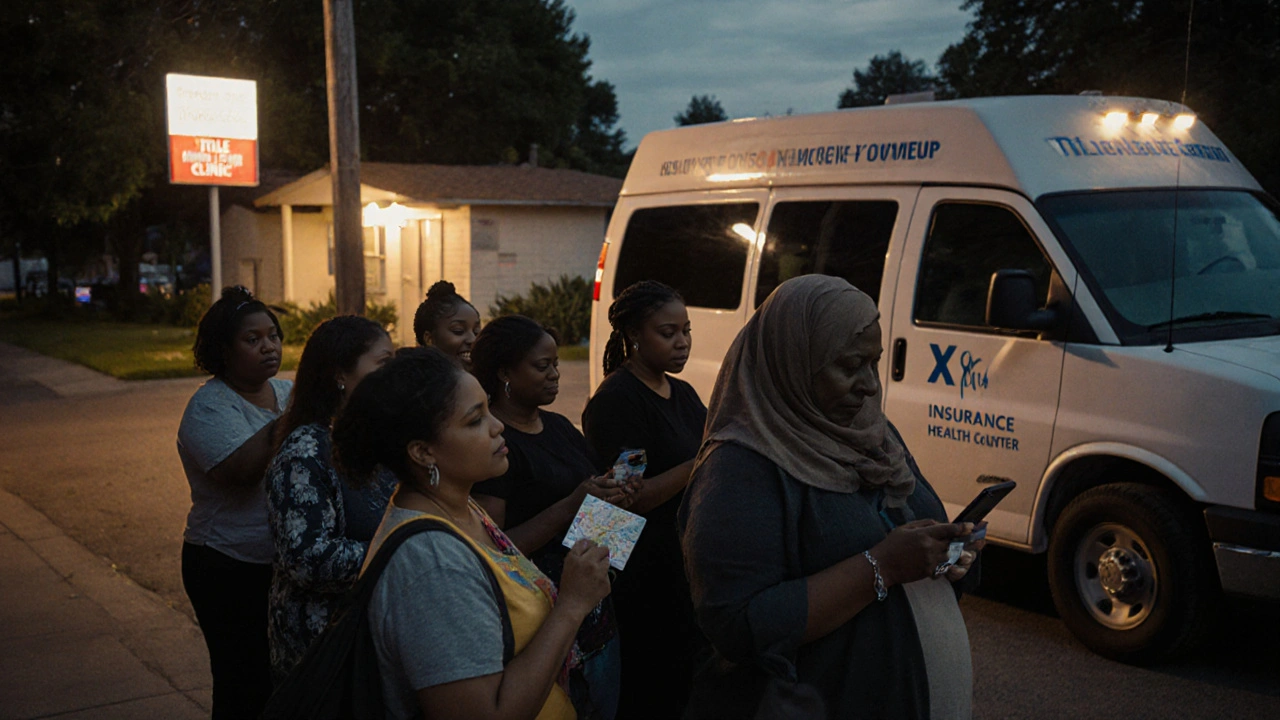
Access and Equity in Contraceptive Care: Insurance, Clinics, and Policy
Oct 24 2025 / Health & WellnessDespite legal protections, millions of U.S. women still face barriers to contraceptive care due to insurance gaps, clinic closures, and racial inequities. This article breaks down the real-world impact of policy, geography, and systemic bias on access to birth control.
VIEW MORE