Roe v. Wade: How the Landmark Ruling Shaped Reproductive Rights and Sexual Autonomy
When the Roe v. Wade, the 1973 U.S. Supreme Court decision that established a constitutional right to abortion. Also known as the abortion rights ruling, it didn’t just change a law—it rewrote the rules of who gets to decide what happens to a woman’s body. Before this case, millions of women risked their lives seeking illegal abortions. Doctors were jailed. Women bled out in back alleys. The Court’s decision didn’t make abortion perfect—it made it legal, safe, and under medical care. And for nearly 50 years, that legal shield gave people control over their futures, their careers, their families.
But Roe v. Wade wasn’t just about abortion. It was tied to deeper questions: Who owns your body? Can the government force you to carry a pregnancy? What does consent mean when you’re not free to say no to motherhood? These weren’t abstract ideas—they were lived realities for women in states with restrictive laws, for teenagers without parental support, for survivors of rape or incest with no safe options. The ruling connected directly to other movements: feminism, bodily autonomy, LGBTQ+ rights, and even the fight against medical coercion. It echoed in cases about contraception, IVF, and even the right to refuse treatment. When bodily autonomy, the legal and ethical principle that a person has the right to make decisions about their own body without interference. became a legal standard, it didn’t just protect abortion—it protected the idea that your body isn’t public property.
After the 2022 overturn, states rushed to ban or restrict access. Some made exceptions for rape or life-threatening conditions. Others didn’t. Suddenly, women in Texas couldn’t get care even if their fetus had no chance of survival. Women in Wisconsin were forced to travel hundreds of miles. And the ripple effects? Fertility clinics paused services. Doctors feared prosecution. People started hoarding pills. The ruling didn’t just vanish—it shattered a system that had, for decades, allowed people to plan their lives around their reproductive choices. What’s left now isn’t just a legal gap—it’s a trust gap. People no longer believe the law will protect them.
What you’ll find here isn’t just history. It’s the real stories behind the headlines: how women fought for control, how medicine was weaponized against them, how culture shaped shame, and how the law both protected and betrayed them. From Victorian-era hysteria treatments to modern IVF timing, from feminist essays on the clitoris to police raids on gay bars—this collection shows how reproductive freedom is never just one issue. It’s woven into every part of how we live, love, and survive.
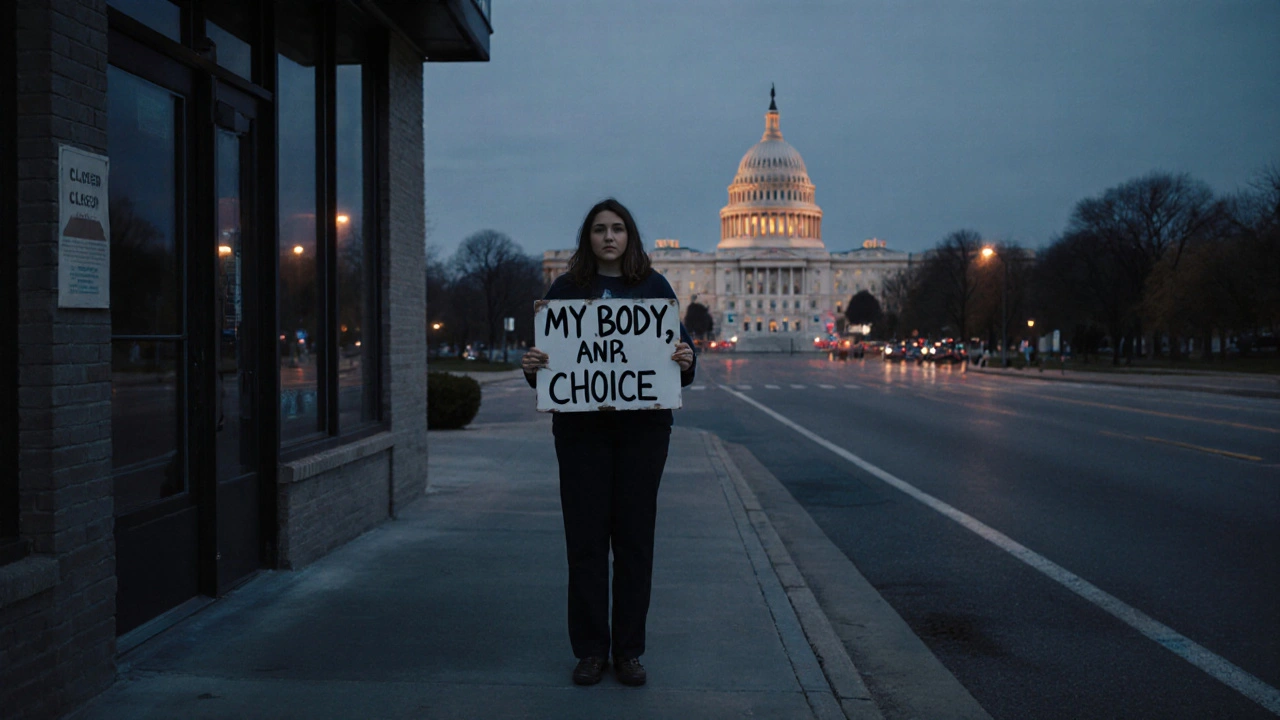
Roe v. Wade (1973): How the Supreme Court Changed Abortion Rights in America
Nov 9 2025 / Social PolicyRoe v. Wade (1973) established a constitutional right to abortion until fetal viability, but was overturned in 2022 by Dobbs v. Jackson. The decision reshaped reproductive rights in America and sparked ongoing legal and political battles.
VIEW MORE