Samoan Third Gender: Understanding Fa'afafine and Gender Diversity in Pacific Cultures
When we talk about gender, most Western frameworks assume only two options: male or female. But in Samoa, there’s a long-standing, deeply rooted identity called Fa'afafine, a recognized third gender in Samoan society that blends masculine and feminine traits, often assigned male at birth but living as a distinct gender role. Also known as fa'afatama, it’s not seen as a deviation—it’s a natural part of the community’s social fabric. Fa'afafine are often caregivers, artists, and community organizers, respected for their emotional intelligence and work ethic. Unlike Western labels that pathologize or sensationalize gender nonconformity, Fa'afafine exist without stigma in most traditional Samoan settings.
This isn’t just about identity—it’s about how culture shapes gender itself. The Fa'afafine role relates directly to other Pacific traditions like the Fakaleitī of Tonga and the Kathoey of Thailand, all of which predate Western colonial ideas of gender. These roles weren’t created to fit activism or modern LGBTQ+ movements—they emerged from practical, spiritual, and social needs. In Samoa, families often recognize a child’s Fa'afafine nature early, encouraging them to take on roles that suit their temperament, whether that’s cooking, sewing, childcare, or leading village ceremonies. Their existence challenges the idea that gender must be fixed at birth.
What makes Fa'afafine especially powerful is how they’ve survived colonization, religion, and globalization. Missionaries tried to erase them. Laws tried to criminalize them. Yet Fa'afafine persisted—not by fighting to be accepted, but by simply being present, valuable, and irreplaceable. Today, they’re part of Samoa’s national identity, featured in media, politics, and even tourism. Their story isn’t about becoming something new. It’s about remembering something old that the West forgot: gender isn’t a binary. It’s a spectrum shaped by land, language, and community.
Below, you’ll find articles that explore similar themes—how cultures have defined gender beyond male and female, how power shapes who gets to be seen, and how identities once erased are now being reclaimed. From Victorian ideas of womanhood to Etruscan rituals and feminist breakthroughs, these stories show that gender has always been more complex than we were taught.
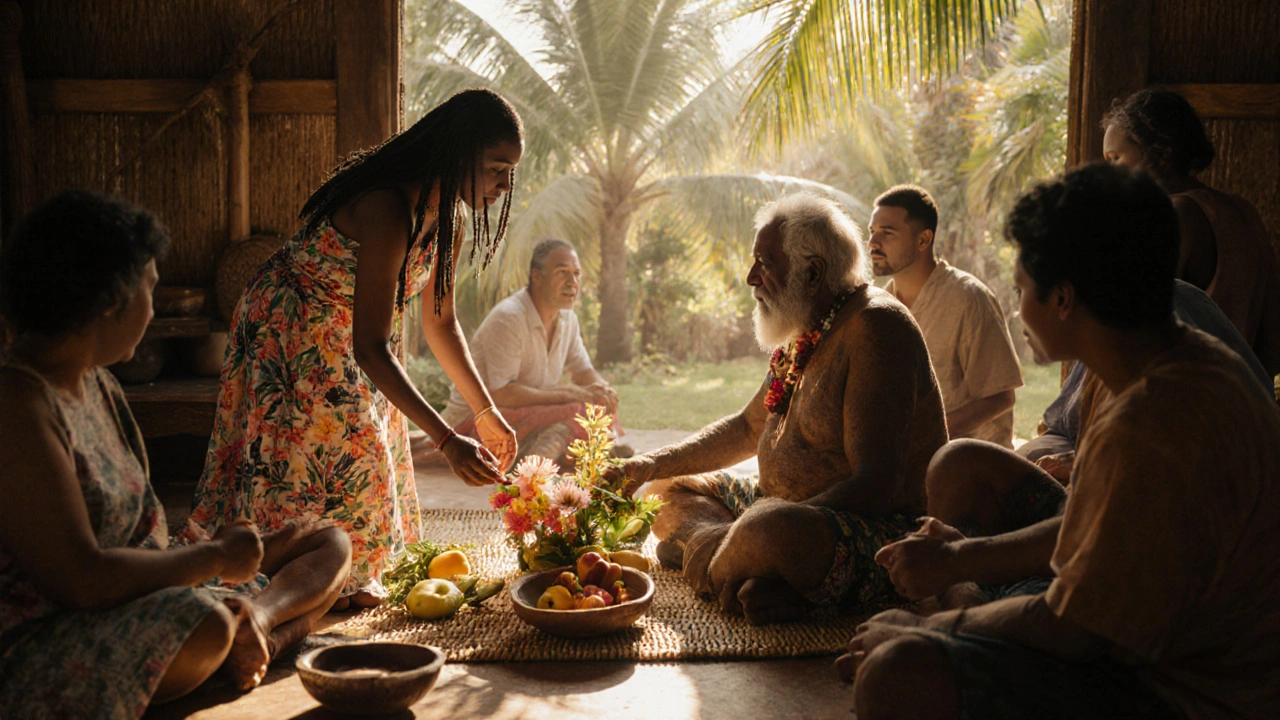
Fa'afafine of Samoa: Understanding the Traditional Third Gender Role
Nov 12 2025 / LGBTQ+ HistoryFa'afafine are a traditional third gender in Samoa, with roles in caregiving, ceremony, and family life that predate colonial influence. Unlike Western gender models, they exist outside the male-female binary and are culturally accepted-not as deviant, but as essential.
VIEW MORE