Second Shift: How Gendered Labor Shapes Sex, Power, and Daily Life
When you hear second shift, the unpaid domestic and emotional labor performed after a paid job, often by women. Also known as double burden, it’s not just cleaning or cooking—it’s managing schedules, remembering birthdays, soothing stress, and holding emotional space for everyone else while getting little in return. This isn’t a myth. It’s a daily reality for millions, and it’s deeply tied to how we understand sex, power, and intimacy.
The gendered labor, the expectation that women handle most household and caregiving tasks didn’t disappear with feminism—it just got quieter. Women still do 70% more unpaid work than men, according to global studies, and that imbalance doesn’t just tire people out—it rewires relationships. When one partner is constantly exhausted from juggling paid work and home duties, sex becomes a chore, not a connection. The domestic work, tasks like laundry, meal prep, childcare, and emotional management that go unnoticed during the day become the unspoken tension in the bedroom at night. And when men aren’t expected to share this load, they often don’t learn how to notice it—until someone breaks down.
This isn’t just about fairness. It’s about survival. The unpaid care, the invisible labor of nurturing, comforting, and maintaining family well-being that falls mostly on women is the glue holding society together—but it’s not rewarded, not recognized, and rarely shared. That’s why so many women feel emotionally drained before they even get to their partner. It’s why some stop initiating sex—not because they’re not attracted, but because they’re out of energy. And it’s why men who think they’re "helping" by doing the dishes are still missing the point: the real work is in the mental load.
What you’ll find in this collection isn’t just history—it’s proof. From Victorian ideals that locked women into the home, to modern research showing how unequal housework kills desire, these articles trace how the second shift shaped everything from orgasm gaps to marriage laws. You’ll read about how medieval dowries tied women’s worth to economic roles, how feminist thinkers like Anne Koedt challenged the idea that women’s pleasure was secondary, and how police raids on gay bars were about controlling who got to be visible—and who got to be invisible. These aren’t old stories. They’re the roots of what you’re living right now.
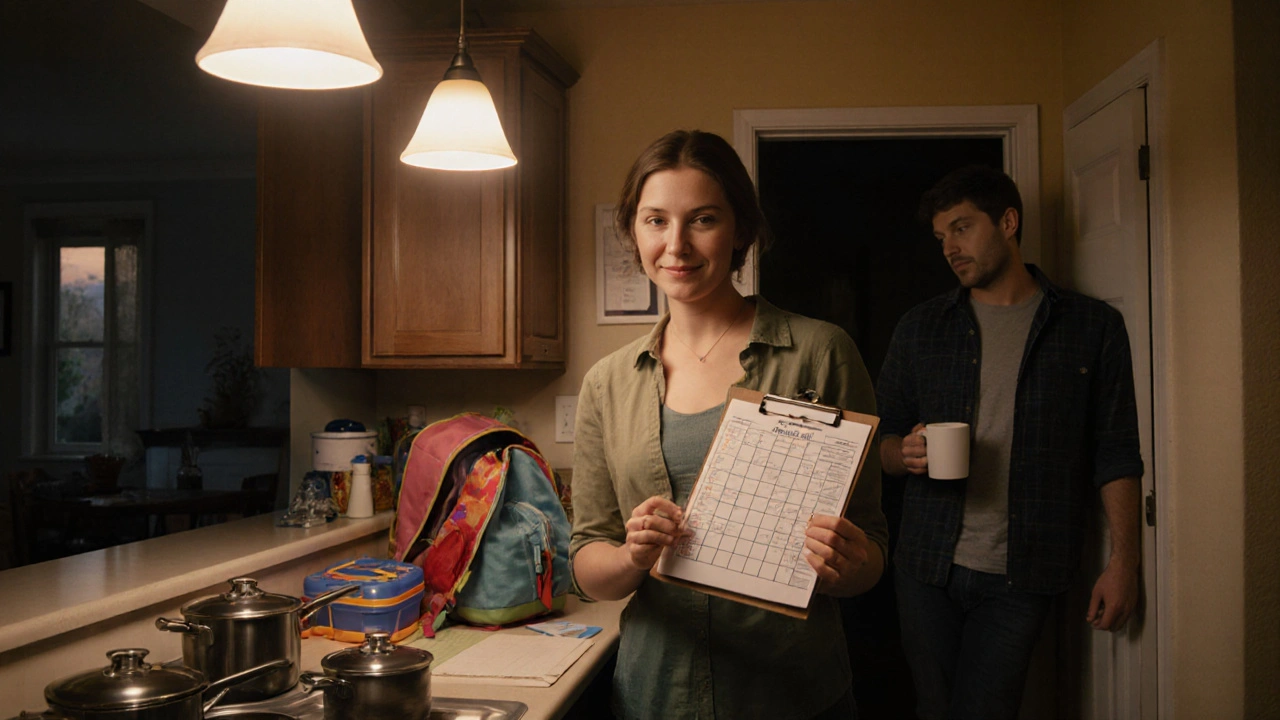
Domestic Labor and the Second Shift: Who Does What at Home?
Oct 24 2025 / EconomicsWomen still do nearly twice as much unpaid housework and childcare as men-even when they work full-time. This 'second shift' drains time, energy, and mental health. Data shows the gap persists across races and income levels, and real change requires more than good intentions.
VIEW MORE