Sex Work Economics: How Power, Law, and Survival Shape the Trade
When we talk about sex work economics, the financial systems, labor conditions, and power structures behind selling sex. Also known as commercialized sexuality, it’s not just about transactions—it’s about survival, control, and who gets to decide the rules. From temple prostitutes in ancient Mesopotamia to Instagram escorts in 2025, the trade has always been tied to money, gender, and power. But the way society treats it—criminalizing it, ignoring it, or pretending it’s optional—has changed little over centuries.
The prostitution history, the long record of how societies have regulated, punished, or profited from selling sex shows a pattern: when sex work is hidden, it becomes dangerous. When it’s criminalized, workers lose legal protection. When it’s ignored, no one tracks wages, safety, or exploitation. Look at Nevada’s licensed brothels—where regulation reduces violence—or the digital platforms where independent workers now set their own prices, bypassing pimps and street risks. But even there, payment processors shut them down, banks freeze accounts, and landlords evict them. This isn’t just about morality—it’s about who controls the economy of desire.
sex work regulation, the laws and policies that determine whether selling sex is legal, taxed, or punished doesn’t protect people—it often targets them. Decriminalization isn’t about endorsing sex work; it’s about treating it like any other job. When workers can report abuse without fear of arrest, when they can form unions, when they can rent apartments without hiding their income, safety improves. Countries that treat it as labor—like New Zealand—see lower rates of violence and trafficking. Meanwhile, places that criminalize clients or workers alike push the trade underground, where exploitation thrives.
What you’ll find below isn’t just history—it’s the real story behind the numbers. Articles trace how Victorian doctors labeled sex workers as diseased, how medieval marriages were economic deals just like modern escort contracts, and how AI and digital platforms are rewriting the rules again. You’ll see how feminism, law, and economics collide in the lives of people who sell sex—not as symbols, but as workers navigating a system built to silence them. This isn’t theoretical. It’s about rent, taxes, safety, and who gets to live without fear.
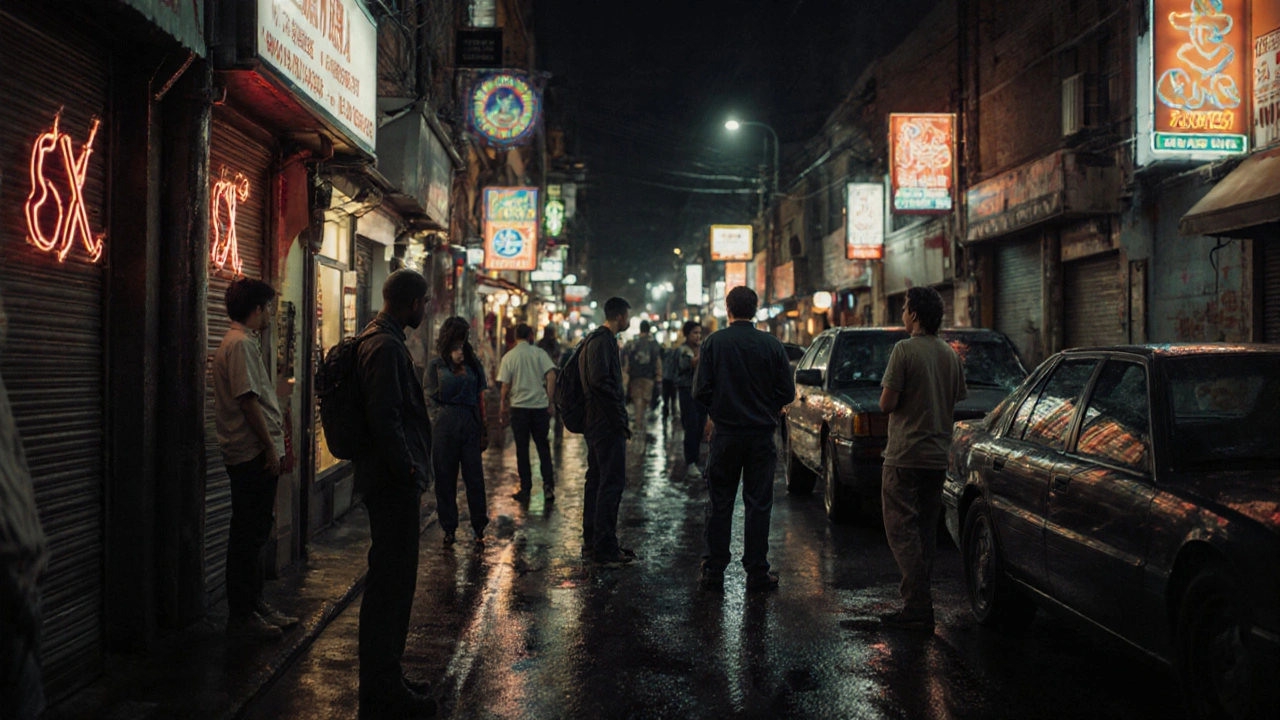
The Economics of Sex Work: Supply, Demand, and Market Structures
Nov 9 2025 / EconomicsSex work operates as a complex, underground economy with clear supply and demand patterns. From street corners to online platforms, pricing, risks, and client behavior reveal how this market functions-and why it predicts economic downturns.
VIEW MORE