Sex Work Pricing Calculator
Estimated Weekly Earnings: $0.00
Based on 5 days/week at 3 services/day
How Sex Work Functions Like a Real Economy
Think of sex work as a job market where supply and demand aren’t just theoretical-they’re lived every day. In cities like Atlanta, the underground commercial sex economy was worth $290 million in 2007. In Denver, it was under $40 million. These aren’t guesses. They’re numbers from the Urban Institute’s 2012 study, based on police data, client surveys, and hidden transaction patterns. This isn’t about morality. It’s about behavior: people pay for services, workers offer them, and markets adjust-just like any other industry.
Supply: Who Enters the Market and Why
People enter sex work for many reasons, but economic survival is the most consistent one. In Lusaka, Zambia, women earn between $75 and $110 a month. That’s more than many formal jobs in the region, even if it’s unstable. One study found 72% of women in sex work there faced stigma so severe they couldn’t get other employment. They weren’t choosing between jobs-they were choosing between survival and starvation.
In the U.S., the path is different but the pressure is similar. Many start because of housing insecurity, debt, or lack of access to social support. A 2022 NIH study showed that during economic downturns, more people enter the sex industry-not because they want to, but because rent is due and no one’s hiring. This isn’t a fringe phenomenon. It’s a response to structural failure.
Demand: Who Pays and What They Want
Client demand isn’t monolithic. Some want quick, anonymous encounters. Others pay extra for what’s called the “girlfriend experience”-a mix of intimacy, conversation, and emotional presence. Monica O’Connor’s analysis in The Sex Economy found that clients who pay for emotional labor often spend 30-50% more than those seeking only physical services.
Major events shift demand too. During the World Cup, prices for condomless sex jumped from 36% above baseline to 57% after the tournament ended. Why? More men in town, more competition among workers, and a temporary drop in perceived risk. This isn’t random. It’s classic supply-and-demand pressure, amplified by geography and timing.
Market Structures: Street, Indoor, Online
There are three main ways sex work happens today-and each has its own economic rules.
- Street-based work has the lowest entry cost. No rent, no fees. But it’s dangerous. Police crackdowns are frequent, and workers can’t screen clients easily. In 2007, street workers made up about 30% of the market in the seven U.S. cities studied.
- Indoor operations include massage parlors, apartments, and legal brothels in Nevada. Here, workers pay 40-50% of earnings to the venue. But they’re safer. They can set boundaries, use security systems, and avoid violent clients. This model is growing.
- Online platforms are now the fastest-growing segment. About 49% of pimps use online ads, according to the Urban Institute. Workers list services, set prices, and screen clients before meeting. Reviews act like Yelp ratings-build a good reputation, and you get higher-paying clients. It’s capitalism with no contracts, no protections, but clear incentives.

The Digital Revolution: Reputation, Algorithms, and Risk
The internet didn’t just move sex work online-it made it more like a tech startup. Workers now build personal brands. They use pseudonyms, manage portfolios, and track which services get the most bookings. Some even use encrypted apps to communicate, avoiding platform bans.
But there’s a flip side. Digital surveillance is real. Law enforcement uses geolocation data and ad tracking to identify workers. Platforms like Backpage were shut down, forcing workers into more fragmented, less safe networks. And without legal recourse, if a client doesn’t pay or steals your phone, there’s no police report you can file.
Still, the shift has created something unexpected: economic mobility for some. A worker in Chicago who moved from the street to a private apartment using only Instagram ads increased her weekly income from $300 to $1,800 in six months. That’s not luck. It’s market adaptation.
Pricing: What Determines the Cost
There’s no single price for sex work. It depends on:
- Location (New York City vs. rural Arkansas)
- Service type (lap dance vs. full-service)
- Duration (15 minutes vs. an hour)
- Physical traits (height, age, appearance-yes, these matter in pricing, just like in any labor market)
- Reputation (workers with five-star reviews charge 20-40% more)
Cash is still king. A 2023 Berkeley Business Review analysis of the “Stripper Index” found that 66.7% of transactions are in cash. Why? No paper trail. No bank account needed. It’s the ultimate informal economy.
The Stripper Index: Sex Work as an Economic Predictor
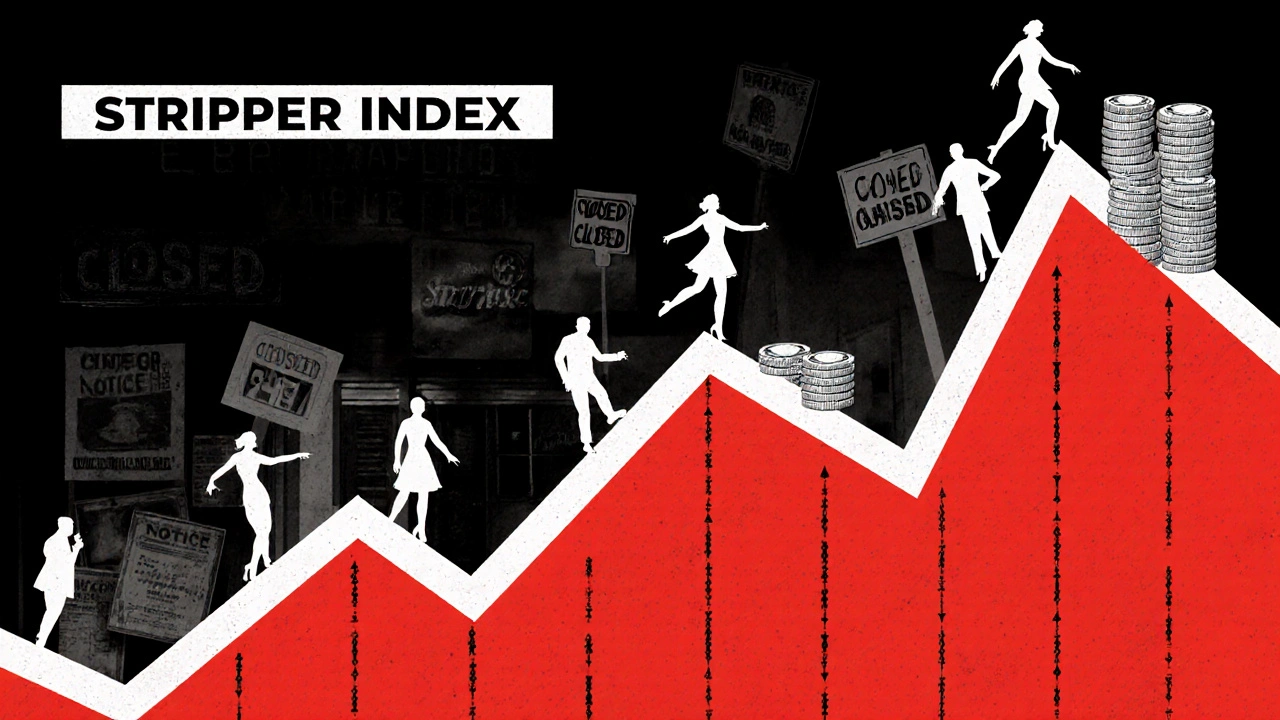
Here’s the wild part: sex work predicts recessions.
The “Stripper Index” isn’t a joke. It’s a real economic indicator. When people stop tipping dancers, buy fewer drinks, or cancel lap dances, it’s a sign they’re tightening their belts. In 2008, strip club revenues dropped before unemployment numbers spiked. In 2022, a stripper named @botticellibimbo posted on X (formerly Twitter): “When patrons stop throwing singles, we’re in trouble.” Two months later, the economy slowed sharply.
Why does this work? Because sex work is a luxury good that people cut first when money gets tight. Unlike rent or groceries, it’s discretionary. When the economy stumbles, the first dollar cut is for entertainment-and sex work is often the most visible part of that.
Violence, Stigma, and the Hidden Costs
Money doesn’t tell the whole story. In Zambia, 25 out of 30 women in a 2025 study reported violence. Fifteen had no access to healthcare. Stigma kept them from seeking help. In the U.S., workers under pimps face daily quotas of $400-$1,000. Miss the number? No food. No rent. No safety net.
Stigma is the invisible tax. It lowers wages. It blocks access to banking, housing, and legal aid. Even in places where sex work is decriminalized, like New Zealand, workers still face discrimination. One study from Reading University found stigma affects pricing and client selection across all countries-rich or poor, legal or illegal.
Policy and the Future: Criminalization vs. Decriminalization
Most laws target workers, not clients. But research shows that’s the wrong approach. When clients are criminalized-like in Sweden and Norway-workers face more danger. They rush transactions to avoid detection. They can’t screen clients. They lose bargaining power.
Decriminalization, as seen in New Zealand and parts of Australia, gives workers legal standing. They can report violence. They can unionize. They can demand safer conditions. A 2023 Manchester University study found that client criminalization led to a 22% increase in violent incidents among sex workers, while decriminalization reduced them by 31%.
The future? More digital tools, more cryptocurrency payments, and possibly formal recognition of sex work as a labor sector. Some economists now argue that ignoring this market means ignoring half the picture of informal labor. The question isn’t whether sex work exists-it’s whether we’re ready to treat it like the economy it is.
Can Sex Work Be a Path Out of Poverty?
Some say yes. Others say no. The data is messy.
In Zambia, monthly income from sex work didn’t lead to long-term financial stability. Why? Because it’s unpredictable. No sick days. No retirement. No insurance. One bad client, one arrest, one health crisis-and it’s over.
But in places with support systems, things change. Social enterprises in Lusaka are starting to offer financial literacy training, microloans, and connections to other jobs. Early results are promising. Workers who complete the program are 40% more likely to leave sex work within two years.
It’s not about glorifying sex work. It’s about recognizing that people are already doing it. The goal isn’t to eliminate the market. It’s to make it safer, fairer, and less deadly.