Sexual Coercion: Understanding Power, Consent, and Historical Silence
When we talk about sexual coercion, the use of pressure, manipulation, or authority to obtain sexual contact without genuine consent. Also known as non-consensual sex, it’s not always about violence—it’s often about silence, fear, and systems that make saying no feel impossible. This isn’t new. For centuries, laws, religion, and social norms treated women’s bodies as property, men’s desires as natural, and silence as compliance. Even today, many people don’t recognize coercion when it happens—because it’s dressed up as romance, duty, or tradition.
Consent, a clear, enthusiastic, and ongoing agreement to sexual activity. Also known as affirmative consent, it’s the opposite of coercion—but for a long time, it wasn’t even part of the conversation. In Victorian times, a woman’s "no" was often ignored if she was married. In medieval Europe, marriage itself was seen as a license for sex. Even in the 20th century, courts dismissed rape claims if the victim didn’t fight back hard enough. These weren’t just outdated ideas—they were legal standards. And they shaped how people think about sex, power, and responsibility today. Power dynamics, the imbalance of control between people in relationships, workplaces, or social settings. Also known as authority-based pressure, they’re at the heart of most coercion cases—whether it’s a boss threatening a job, a partner using guilt, or a teacher exploiting a student’s dependence. Coercion thrives where there’s no real choice.
And then there’s historical silence, the deliberate erasure of sexual violence and non-consensual acts from records, stories, and laws. Also known as archival erasure, it’s why we rarely hear about women forced into sex in medieval marriages, or how police raids on gay bars were used to punish men for being themselves. These silences weren’t accidents. They protected the powerful. They made victims feel alone. They let institutions avoid accountability. But now, we’re starting to listen. Archives are being reopened. Survivors are speaking. And the stories once buried—like the banned dildo poem from 1592 or the erased lesbian histories—are finally being seen for what they are: evidence of resistance, not shame.
What you’ll find in these posts isn’t just history. It’s the truth behind the myths. How medical doctors once called female pleasure a disease. How feminism fought to prove the clitoris mattered. How the law still fails to protect people from housing discrimination or job loss after they speak up. This isn’t about shock value. It’s about clarity. If you’ve ever wondered why "no" doesn’t always mean no, why some people stay silent, or how we got here—these articles show you the real path. Not the one taught in textbooks. The one lived in bedrooms, courtrooms, and hidden archives.
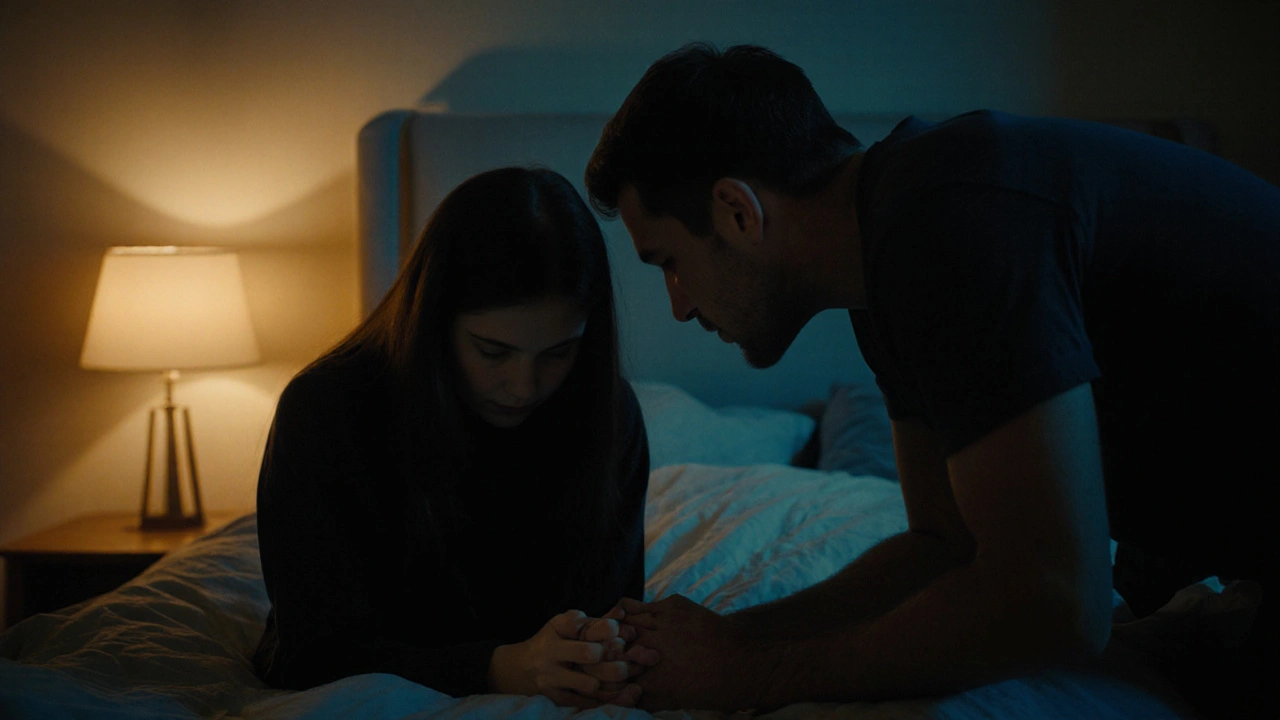
Coercion and Consent: Understanding the Spectrum of Pressure
Nov 21 2025 / Social PolicyCoercion isn't always violent - it's often quiet, emotional, and hidden in relationships. Understanding the spectrum of pressure helps us recognize when 'yes' isn't really yes - and how to build true consent.
VIEW MORE