Sexual Harassment: History, Power, and the Fight for Consent
When we talk about sexual harassment, a pattern of unwelcome sexual advances, requests for favors, or other verbal or physical conduct of a sexual nature that creates a hostile environment. Also known as workplace harassment, it's not just about bad behavior—it's about control, silence, and who gets to speak up. This isn't new. It’s been hiding in plain sight for centuries, wrapped in social norms, legal loopholes, and gendered expectations.
Think about the Victorian separate spheres ideology, a system that confined women to the home and men to public life. This wasn’t just about roles—it created the perfect conditions for harassment. Women had no power in workplaces, courts, or even their own homes. When they resisted, they were called hysterical, immoral, or too sensitive. Meanwhile, men in positions of authority—doctors, employers, husbands—were rarely questioned. Even today, that legacy lingers: who gets believed? Who gets punished? The coercion, the quiet pressure that makes "yes" feel like the only option isn’t always a threat. It’s a glance, a comment, a promotion tied to compliance. And it’s still everywhere—from offices to online platforms.
But here’s the thing: resistance has always been part of this story. From women in factories in the 1800s whispering warnings to each other, to the #MeToo movement breaking decades of silence, people have fought back. The consent, the clear, ongoing, enthusiastic agreement that must be freely given we talk about today didn’t come from a law book—it came from survivors refusing to stay quiet. The articles below don’t just list facts. They show how power shaped sex, how shame silenced women, how laws were changed by people who refused to accept "that’s just how it is." You’ll find stories about how gender roles made harassment normal, how medical myths were used to control women’s bodies, and how movements like gay liberation and feminism turned personal pain into public change. This isn’t history. It’s the foundation of what’s still happening—and what’s still possible to fix.
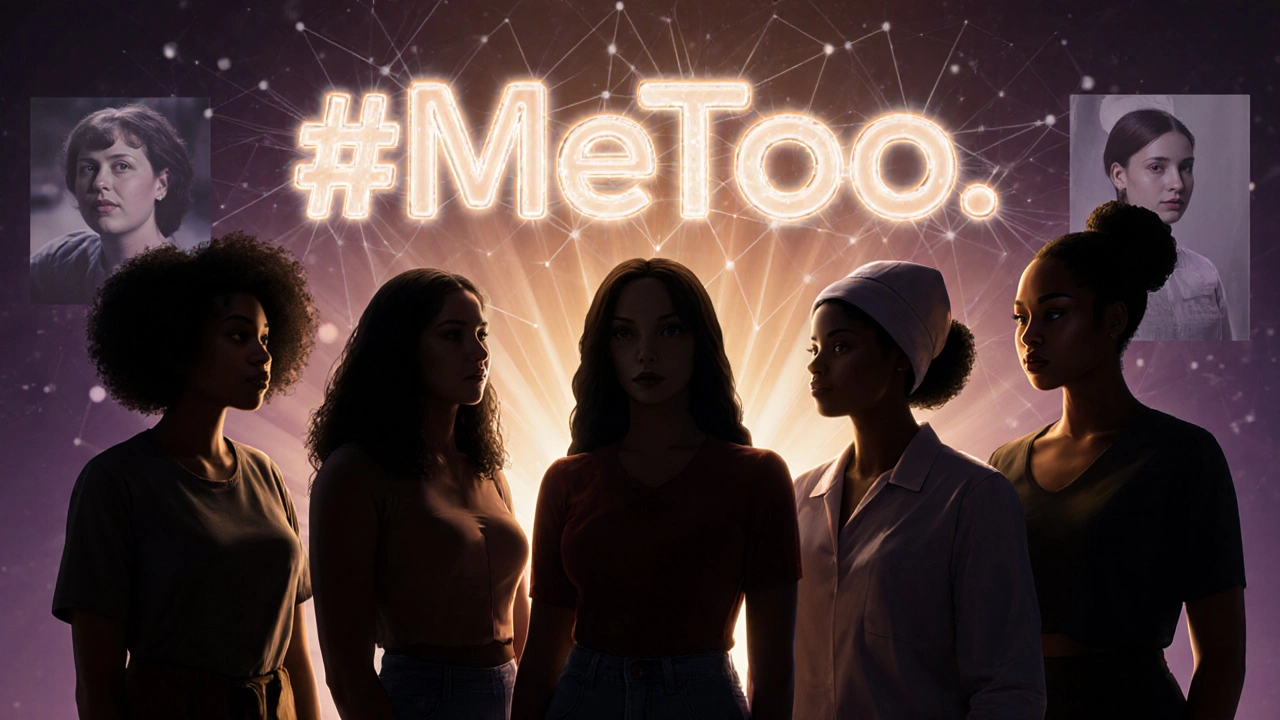
Digital Feminism and #MeToo: How Online Activism Changed the Conversation on Sexual Power
Nov 9 2025 / Social PolicyThe #MeToo movement, born from Tarana Burke’s grassroots work, became a global digital feminist force that exposed sexual violence and forced institutions to change. Survivors used social media to break silence - and the world finally listened.
VIEW MORE