Sexual Orientation: Understanding Identity, History, and Erasure
When we talk about sexual orientation, a person’s enduring pattern of emotional, romantic, or sexual attraction to others. Also known as sexual identity, it’s not a choice—it’s a core part of who someone is, shaped by biology, culture, and personal experience. Yet for decades, society treated it like a secret to be hidden, a disorder to be fixed, or a trend to be ignored.
Bisexual erasure, the refusal to acknowledge or validate attraction to more than one gender is one of the most common forms of invisibility in the LGBTQ+ community. People who identify as bisexual are often told they’re confused, going through a phase, or just seeking attention. Meanwhile, gender socialization, how families and culture teach children what it means to be a boy or girl starts before birth—pink or blue, trucks or dolls—and it quietly tells kids who they’re allowed to love. These systems don’t just affect individuals—they shape laws, medical practices, and even how history gets written.
Look at the archives: lesbian relationships were scrubbed from records. Male same-sex relationships were labeled crimes. Women’s pleasure was dismissed as hysteria. And still today, legal protections for LGBTQ+ people vary wildly—from housing to healthcare to public spaces. This isn’t just about rights. It’s about survival. The posts below don’t just talk about history—they uncover the hidden stories behind every label, every silenced voice, every moment someone dared to say who they are. You’ll find how Victorian doctors pathologized desire, how feminist writers reclaimed female pleasure, how ancient cultures celebrated sexual diversity, and how modern medicine is finally catching up to what people have known all along. This isn’t theory. It’s lived truth. And it’s time to see it clearly.

Sexual Fluidity: How Sexuality Can Change Over Time
Jan 27 2026 / Health & WellnessSexual fluidity is the natural ability for attraction, identity, and behavior to shift over time. Research shows it's common, especially among women and younger generations, and not a phase - it's a legitimate part of human sexuality.
VIEW MORE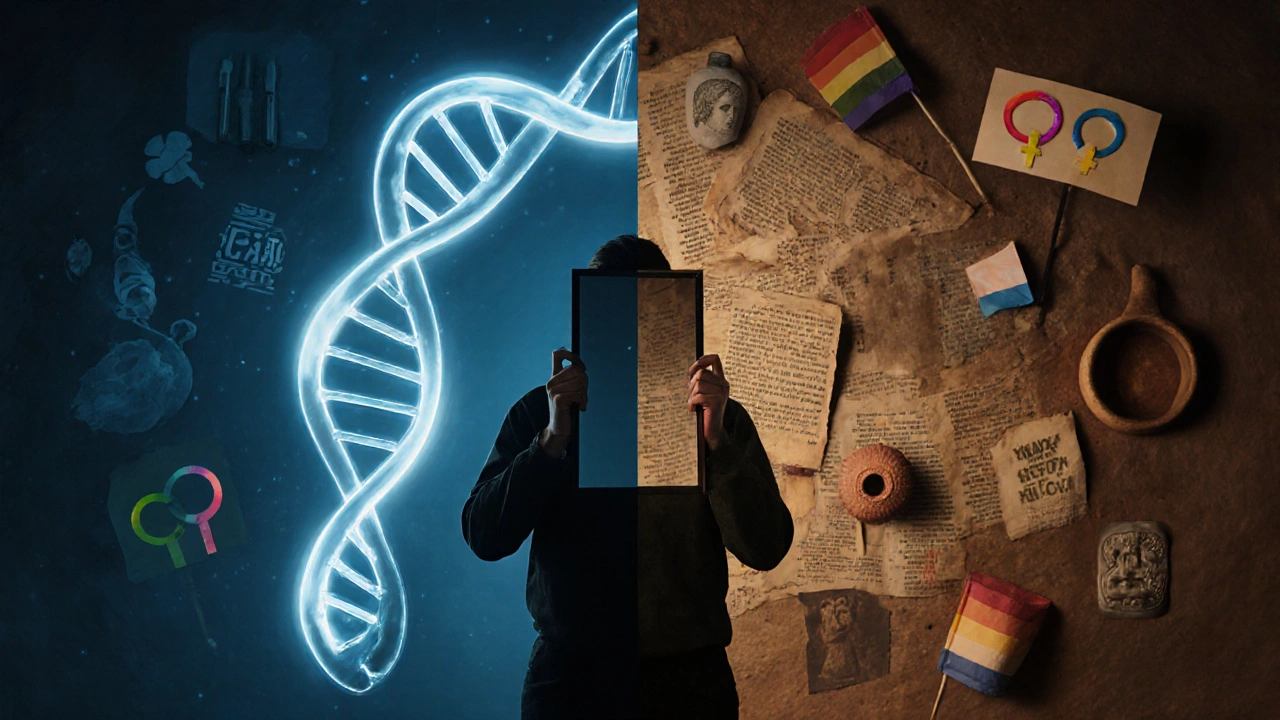
Constructivism vs Essentialism: How We Understand Sexuality Today
Oct 27 2025 / LGBTQ+ HistoryThe debate between constructivism and essentialism shapes how we understand sexual identity. Is sexuality innate or shaped by culture? This article explores the history, politics, and personal impact of both views-and why the truth may lie somewhere in between.
VIEW MORE