Sexual Symbolism: How Symbols Shape Desire, Power, and Identity
When we talk about sexual symbolism, the use of images, objects, or rituals to represent sexual desire, power, or identity. Also known as erotic iconography, it’s not just about what’s shown—it’s about what’s hidden, forbidden, or sacred. From Cleopatra’s crimson lipstick signaling political power to Etruscan tomb paintings showing couples in embrace as a guide to the afterlife, sexual symbolism has always been a language of meaning, not just pleasure.
These symbols don’t exist in a vacuum. They’re tied to creation myths, stories cultures use to explain human origins through male-female dualities, like sun goddesses and twin deities, which reflect whether a society sees gender as balanced or hierarchical. They’re also shaped by Victorian sexuality, a time when medical experts turned masturbation into a disease and female pleasure into a mystery, forcing desire underground and turning every gesture into a coded message. Even today, when we see a vibrator in a museum labeled as a "hysteria treatment," we’re seeing sexual symbolism at work—pleasure disguised as medicine to make it socially acceptable.
Sexual symbolism isn’t just ancient history. It’s in how we talk about consent, how we police women’s bodies, and how LGBTQ+ identities are either erased or exaggerated in media. The Etruscan funerary art, explicit scenes carved into tombs to ensure safe passage to the afterlife show a culture that didn’t separate sex from spirituality. Compare that to Victorian doctors who called self-pleasure a mental illness, and you see how the same act can mean life or death depending on the symbols around it.
What you’ll find below isn’t a list of random articles—it’s a map. Each piece uncovers how symbols of sex, gender, and power have been used to control, resist, or reclaim identity. You’ll see how lipstick in ancient Egypt was a political tool, how a banned 16th-century poem exposed male impotence as satire, and how the female orgasm’s evolutionary purpose got twisted into a myth. These aren’t just historical footnotes. They’re the hidden rules still shaping how we feel about our bodies today.
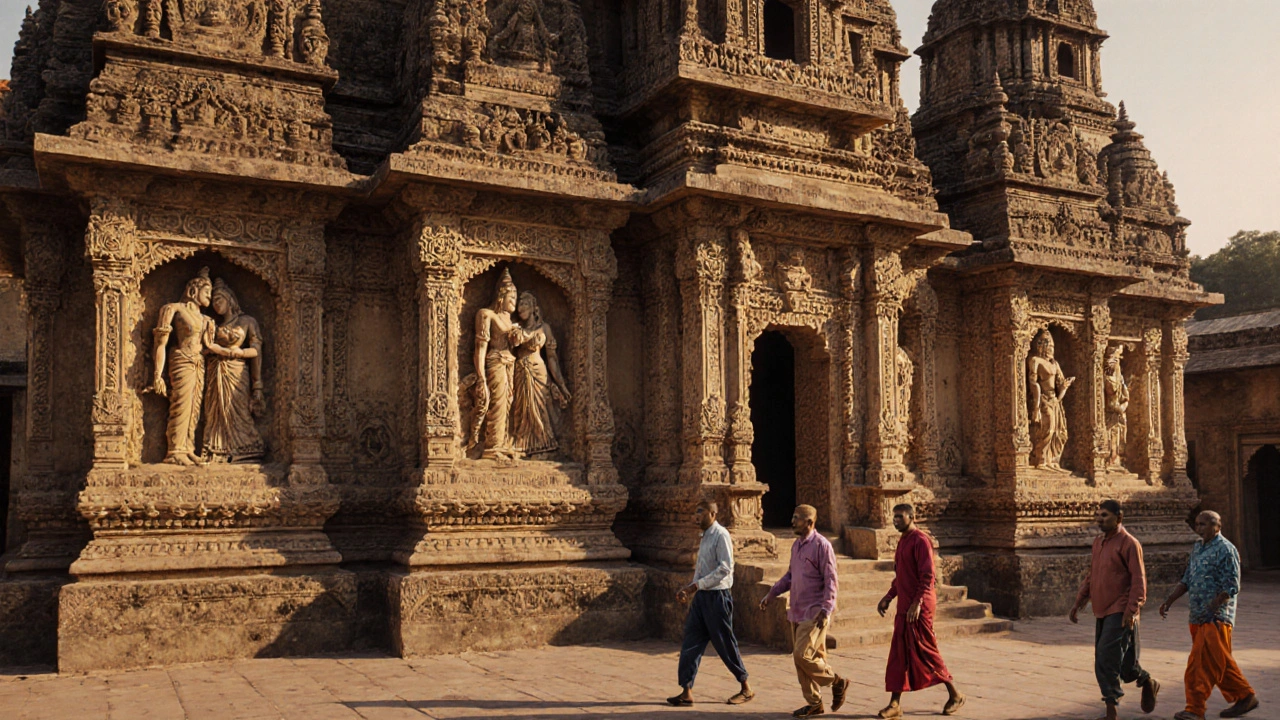
Tantric Traditions and Sexual Symbolism: Separating Myth from Historical Reality
Nov 6 2025 / Global TraditionsTantra is often misunderstood as a sexual practice, but historically it was a profound spiritual path using sex as one tool among many for awakening. This article separates myth from reality, exploring its origins, rituals, and modern distortions.
VIEW MORE