Sexuality: How History, Power, and Culture Shape Who We Are
When we talk about sexuality, the way people experience attraction, desire, and identity across time and culture. Also known as sexual orientation and expression, it’s not just biology—it’s a living record of power, silence, and resistance. Think about it: why do some people still believe masturbation is dangerous? Why are women’s orgasms treated like an afterthought? Why do bisexual people get told they’re "just confused"? These aren’t random myths—they’re echoes of centuries-old systems that controlled who could desire what, and how.
Gender roles, the rules society assigns based on perceived sex. Also known as socialized expectations of masculinity and femininity, it’s how your parents picked your toys, how schools punished boys for crying, and how women were labeled "hysterical" for wanting pleasure. This system didn’t just shape behavior—it shaped laws, medicine, and even art. The Victorian idea that men belonged in the public world and women in the home? That wasn’t nature—it was control. And it still lingers in how we talk about work, sex, and relationships today. Meanwhile, consent, the clear, ongoing, enthusiastic agreement that makes sexual interaction ethical. Also known as affirmative consent, it’s not a legal checkbox—it’s a cultural shift that’s still fighting against silence, pressure, and old ideas that treat "no" as optional. You’ll find posts here that trace how consent was ignored in medieval marriages, how police raids silenced gay bars, and how feminist writers like Anne Koedt shattered the myth that vaginal orgasms were the only "real" ones. This isn’t just history—it’s why your body, your desires, and your boundaries matter now more than ever.
From Etruscan tomb paintings that linked sex to the afterlife, to steam-powered vibrators sold to treat "female hysteria," sexuality has always been policed, hidden, and reclaimed. The stories here don’t just explain the past—they show you how those old rules still affect who gets heard, who gets safe healthcare, and who gets to feel pleasure without shame. You’ll read about bisexual erasure in research, how HIV treatment changed survival, and why the female orgasm exists even if it’s not needed for reproduction. These aren’t random facts. They’re pieces of a larger puzzle: how power writes the rules, and how people keep rewriting them.
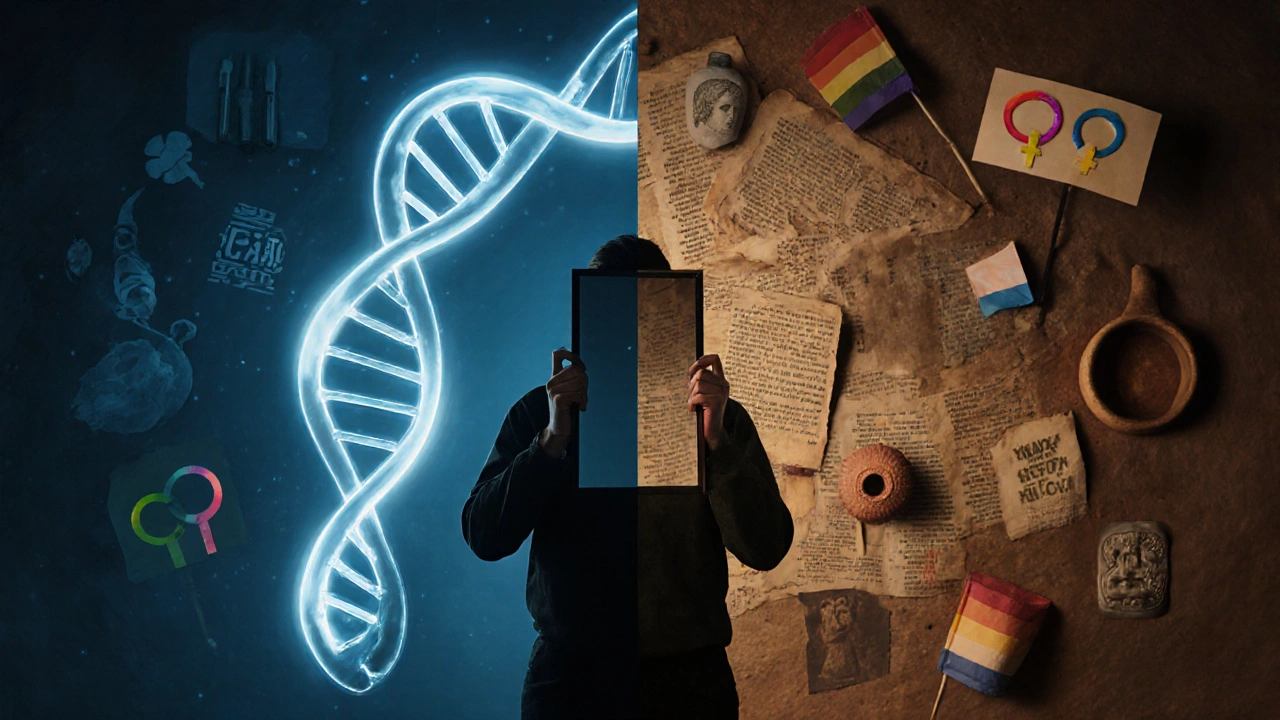
Constructivism vs Essentialism: How We Understand Sexuality Today
Oct 27 2025 / LGBTQ+ HistoryThe debate between constructivism and essentialism shapes how we understand sexual identity. Is sexuality innate or shaped by culture? This article explores the history, politics, and personal impact of both views-and why the truth may lie somewhere in between.
VIEW MORE