Stripper Index: History, Culture, and the Real Stories Behind Pole Performance
When we talk about the stripper index, a cultural and historical reference point for understanding sex work, performance, and gendered labor in public spaces. Also known as the history of exotic dance, it’s not a list of names—it’s a record of how women, trans people, and nonbinary performers have navigated stigma, survival, and self-expression through movement. This isn’t about fantasy. It’s about the women who danced to pay rent after losing their jobs, the trans performers who turned clubs into safe havens, and the men who broke stereotypes by stepping onto the pole. The sex work history, the long, hidden timeline of commercialized intimacy from ancient temples to modern digital platforms doesn’t start with strip clubs—it starts with temple dancers in India, ritual performers in ancient Greece, and women in 19th-century brothels who used dance to earn more than just tips.
The pole dancing, a physical art form that blends athleticism, choreography, and erotic expression you see today didn’t come from Vegas shows alone. It evolved from circus acrobatics, burlesque resistance, and underground ballroom scenes where marginalized people claimed space through movement. The adult entertainment, the broad ecosystem of performance, media, and labor that includes stripping, camming, and fetish work has always been more complex than the headlines suggest. Laws have tried to ban it. Media has distorted it. But performers kept dancing—not because they wanted to be objects, but because they needed to survive, to be seen, to take control.
What you’ll find here isn’t glamorized gossip. It’s the raw, unfiltered stories behind the stage lights: how medical myths about female pleasure shaped early dance bans, how police raids on clubs became catalysts for activism, how Victorian ideas about morality still echo in today’s zoning laws, and how feminist thinkers like Anne Koedt and Havelock Ellis quietly rewrote the rules of desire. You’ll see how the same systems that silenced lesbian history also erased the voices of dancers who didn’t fit the mold. And you’ll learn how modern performers are using TikTok, Patreon, and legal advocacy to rewrite the script.
This isn’t about judging who dances or why. It’s about understanding how power, money, and shame have shaped the stage—and how those who stepped onto it changed the game forever. What follows are articles that dig into the real history, the forgotten names, the legal battles, and the quiet revolutions behind every spin, every glance, every dollar dropped in a garter belt.
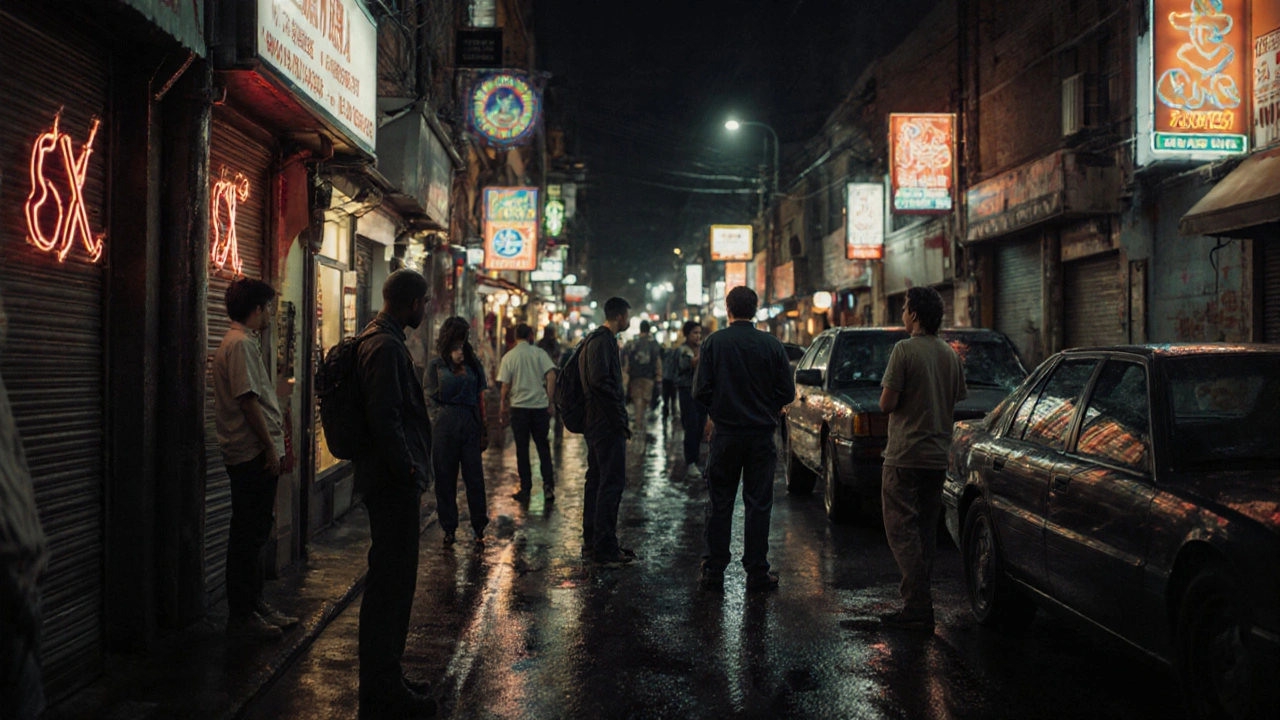
The Economics of Sex Work: Supply, Demand, and Market Structures
Nov 9 2025 / EconomicsSex work operates as a complex, underground economy with clear supply and demand patterns. From street corners to online platforms, pricing, risks, and client behavior reveal how this market functions-and why it predicts economic downturns.
VIEW MORE