Supreme Court abortion decision: How legal rulings shaped sex, rights, and bodily autonomy
When the Supreme Court abortion decision, a landmark legal ruling that determines whether access to abortion is protected under the U.S. Constitution. Also known as Roe v. Wade, it was the foundation of reproductive rights for nearly 50 years. The 2022 overturning of Roe v. Wade didn’t just change a law—it rewrote the relationship between the state and a person’s body. This wasn’t an isolated ruling. It was the end result of decades of legal battles, shifting public opinion, and political strategy that turned abortion from a medical issue into a cultural flashpoint.
The reproductive rights, the legal and social ability to make decisions about pregnancy, contraception, and abortion without government interference movement didn’t start in the 1970s. It grew from earlier fights over birth control, forced sterilization, and the criminalization of self-managed abortions. Women in the 19th century used herbal remedies and risky procedures because they had no legal options. By the 1960s, doctors were quietly helping women get abortions—until the courts stepped in. The bodily autonomy, the fundamental right to control what happens to your own body, especially regarding reproduction and medical care principle became the legal anchor for Roe. But that anchor was always fragile. It depended on the makeup of the Court, not on a broad public consensus.
What’s often missed is how this decision connects to everything else in this collection: the history of sex work, the medicalization of female pleasure, the erasure of lesbian relationships, and the control of women’s bodies through law and shame. The same forces that labeled masturbation a disease in the 1800s are the ones that now label abortion a crime. The same systems that ignored female orgasm in medical textbooks ignored women’s right to choose. The abortion laws, state and federal regulations that restrict or permit access to abortion, often based on gestational limits, provider requirements, or ideological grounds being passed today aren’t new—they’re echoes of Victorian moral codes, medieval church laws, and Puritan control.
You’ll find posts here that trace how power has always shaped sex—not just through religion or medicine, but through the courts. From the criminalization of same-sex intimacy to the policing of women’s reproductive choices, the law has been the most powerful tool for controlling desire. These articles don’t just tell history. They show you how today’s battles over abortion are part of a much longer war over who gets to decide what happens to a body.
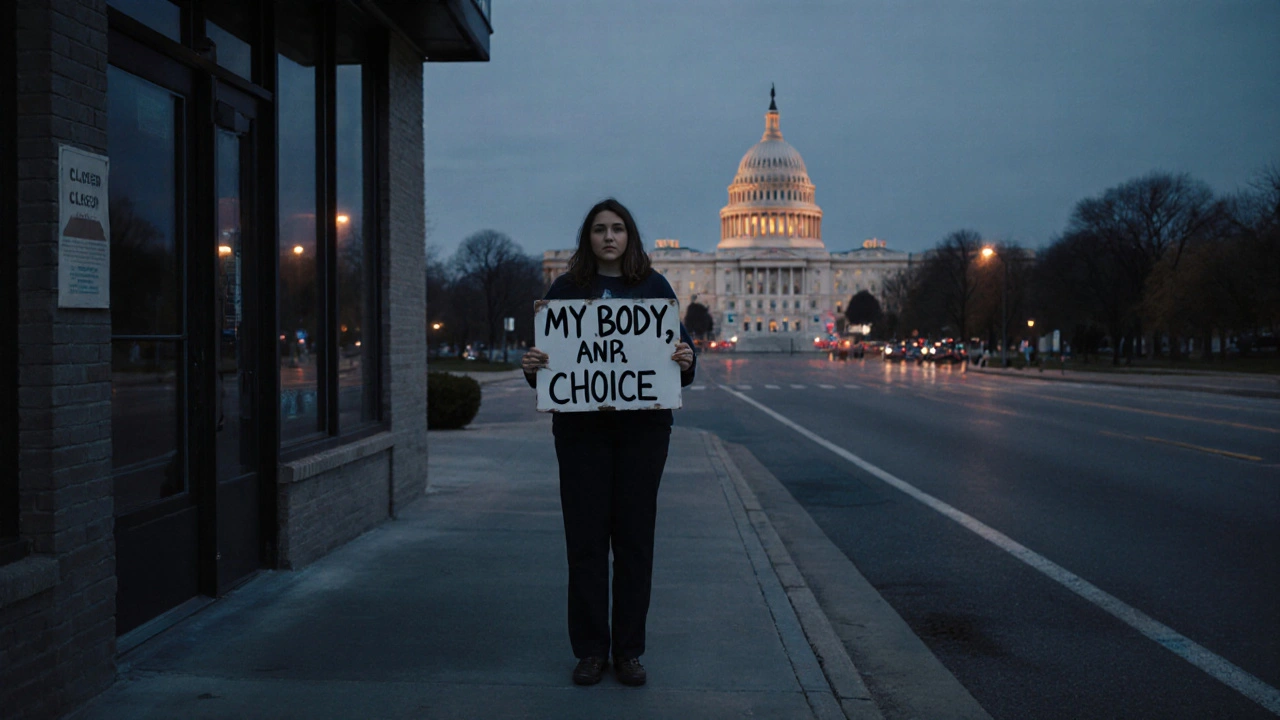
Roe v. Wade (1973): How the Supreme Court Changed Abortion Rights in America
Nov 9 2025 / Social PolicyRoe v. Wade (1973) established a constitutional right to abortion until fetal viability, but was overturned in 2022 by Dobbs v. Jackson. The decision reshaped reproductive rights in America and sparked ongoing legal and political battles.
VIEW MORE