Tantra Misconceptions: What No One Tells You About Ancient Practice and Modern Myths
When people hear the word Tantra, a spiritual tradition from ancient India that links physical practice with metaphysical awakening. Also known as Tantric practice, it isn't about sex—it’s about awareness. Yet today, it’s mostly sold as a bedroom trick, a way to last longer or turn sex into a spiritual experience. That’s not Tantra. That’s a misunderstanding dressed up as enlightenment. The truth? Tantra was never meant to be a quick fix for intimacy. It was a path of disciplined energy work, ritual, breath control, and deep meditation designed to dissolve the ego and connect the individual with universal consciousness. The sexual elements? They were only one small part of a much larger system—and often misunderstood even by those who practiced it centuries ago.
Modern culture turned Tantra into a brand. Yoga studios, dating apps, and wellness influencers now use the word to sell massages, couples’ retreats, and erotic workshops. But real Tantra doesn’t come with a price tag or a 10-minute video tutorial. It requires years of study under a qualified teacher, often within a lineage that’s been passed down quietly for generations. The Tantra yoga, a system of physical and meditative practices aimed at awakening kundalini energy you see in videos? That’s just the surface. The deeper layers involve chanting, visualization, energy channels called nadis, and the balance of masculine and feminine forces—not just in the body, but in the cosmos. This isn’t fantasy. It’s a documented tradition found in texts like the Shiva Samhita and the Vigyan Bhairav Tantra, written over a thousand years ago.
And then there’s the myth that Tantra is all about sexual energy. Yes, energy is central—but so is control. Many Tantric schools taught that uncontrolled desire leads to suffering, not liberation. The goal wasn’t to amplify pleasure, but to transcend it. The spiritual sexuality, the use of sexual experience as a tool for awakening, not gratification that some modern teachers promote is a recent Western invention. In traditional Tantra, sex was sometimes used as a ritual—but only after years of preparation, and always with strict ethical boundaries. It wasn’t about having more sex. It was about seeing sex—and every moment—as sacred.
What’s missing from most of the hype? The silence. The stillness. The hours spent sitting in meditation, not grinding on a partner. The discipline. The humility. The fact that Tantra was never meant for public consumption. It was a hidden path, passed from teacher to student, not posted on Instagram. The real Tantra doesn’t need a hashtag. It doesn’t need a promo code. It doesn’t need to be sold.
What you’ll find here isn’t another list of "10 Tantra positions" or "how to please your partner with energy". You’ll find the truth behind the myths. The history. The cultural context. The practices that were actually used—and the ones that were invented last Tuesday. These articles don’t just debunk myths. They show you what Tantra really was, who practiced it, and why it still matters—not as a bedroom hack, but as a profound way of seeing the world.
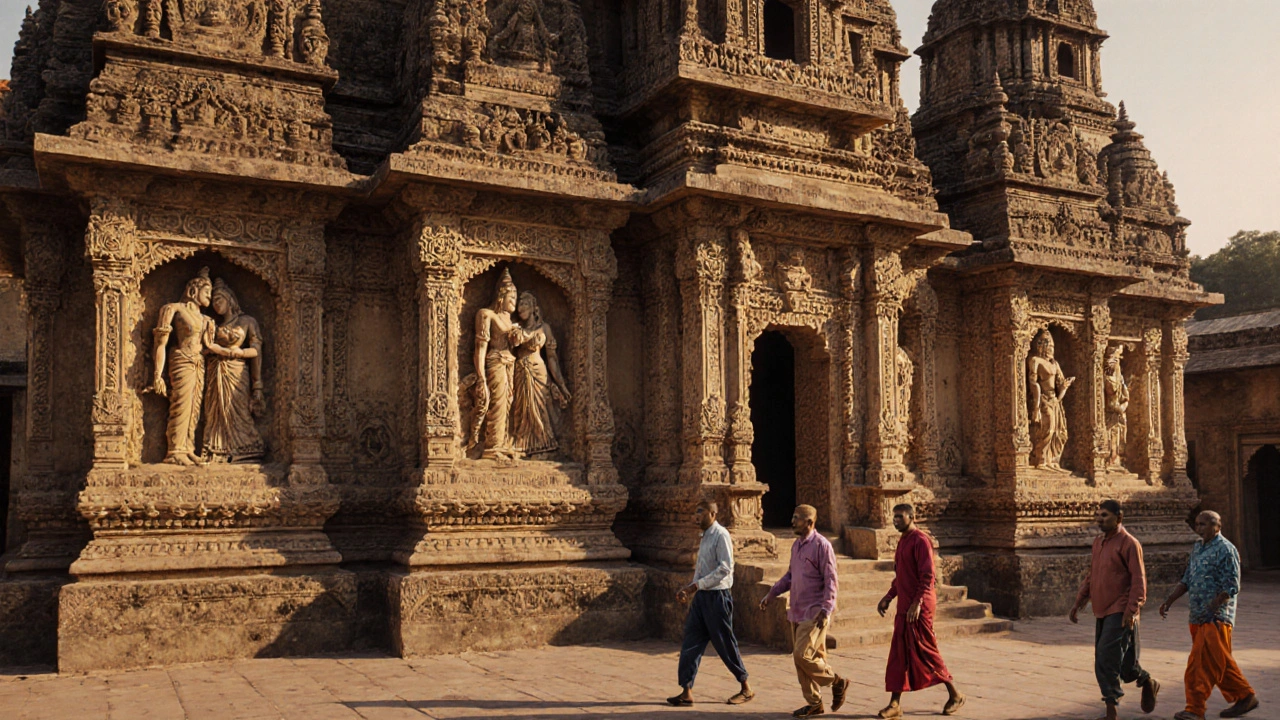
Tantric Traditions and Sexual Symbolism: Separating Myth from Historical Reality
Nov 6 2025 / Global TraditionsTantra is often misunderstood as a sexual practice, but historically it was a profound spiritual path using sex as one tool among many for awakening. This article separates myth from reality, exploring its origins, rituals, and modern distortions.
VIEW MORE