Tantric Buddhism: Spiritual Sex, Ancient Rituals, and Modern Myths
When people hear Tantric Buddhism, a spiritual tradition from medieval India that uses ritual, breath, and sexual energy as tools for awakening. Also known as Vajrayana Buddhism, it isn't about casual sex or hedonism—it's a disciplined path to transcendence. Most of what you see online—couples in yoga poses, candlelit rituals, or "tantric sex" workshops—has almost nothing to do with the real thing. Tantric Buddhism emerged in India around the 5th to 7th centuries, blending Buddhist philosophy with esoteric Hindu practices. It wasn’t meant to be a guide to better orgasms. It was a way to transform desire itself into a force for liberation.
The core idea? Everything is energy. Anger, lust, fear—they’re not problems to suppress, but raw materials to redirect. Through complex meditations, visualizations, and sometimes ritualized sexual union (called maithuna, a sacred practice in some Tantric lineages involving partners as embodiments of divine forces), practitioners aimed to dissolve the ego and experience non-dual awareness. This wasn’t about pleasure for pleasure’s sake. It was about using the body’s most intense experiences to break through illusion. The Khajuraho temples, a 10th-century complex in India covered in intricate carvings of deities, dancers, and sexual acts, weren’t erotic art galleries. They were sacred spaces meant to remind worshippers that enlightenment isn’t found by rejecting the physical world—it’s found by fully embracing it, even the parts society calls taboo.
Modern culture turned Tantric Buddhism into a brand. Yoga studios sell it as a way to "deepen intimacy." Dating apps feature profiles promising "tantric connection." But the real tradition was monastic, secretive, and required years of training under a qualified teacher. It wasn’t accessible to tourists or Instagram influencers. The rituals involved fasting, chanting, mantras, and strict ethical codes—not just lying in bed with someone and breathing deeply. The confusion comes from Western misinterpretations that stripped away the spiritual framework and kept only the surface imagery. What’s left is a shadow of something far deeper.
What you’ll find in the posts below isn’t fluff. It’s the real history: how Tantra was misunderstood, how sexual symbolism was used to teach complex ideas, and why modern claims about "tantric sex" often miss the point entirely. You’ll see how ancient texts used erotic imagery not to titillate, but to point beyond the body. You’ll learn how the same symbols appear in places like Khajuraho, and how those images were never meant to be seen as porn. And you’ll understand why, even today, the most powerful spiritual traditions don’t ask you to avoid desire—they ask you to see it for what it really is.
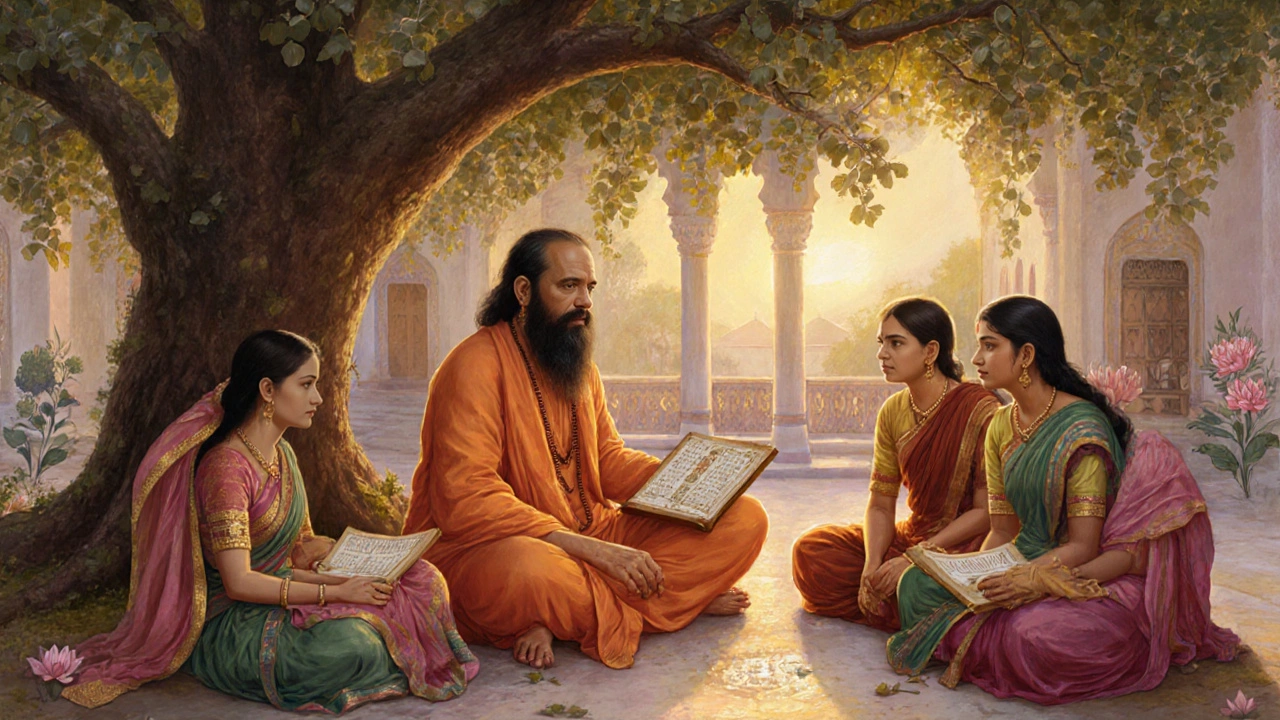
How Asia Systematized Sexual Instruction: The Forgotten Science of Erotic Knowledge
Nov 10 2025 / Global TraditionsAsia developed sophisticated systems for sexual instruction over 2,000 years ago - blending medicine, religion, and philosophy. From the Kama Sutra to Daoist alchemy, these traditions treated sex as a science - not a taboo.
VIEW MORE