Tantric traditions: Ancient practices of sex, spirituality, and energy
When you hear Tantric traditions, a set of spiritual practices originating in ancient India that link sexual energy with enlightenment. Also known as sacred sexuality, it isn't about just sex—it's about using the body's natural energy to reach deeper states of awareness, connection, and presence. Unlike modern ideas that treat sex as purely physical or recreational, Tantric traditions see it as a pathway to transformation. These practices emerged over 1,500 years ago in Hindu and Buddhist lineages, where breath, movement, and sensation were tools to transcend the ego—not escape it.
Tantric traditions require more than technique—they demand presence. Partners learn to slow down, hold eye contact, and feel energy move through the body without rushing toward orgasm. This isn’t about performance. It’s about awareness. The energy flow, the movement of life force through the body, often called prana or chi is central. In Tantric practice, orgasm isn’t the goal—it’s a side effect of sustained connection. The sacred sexuality, the belief that sexual energy is holy and should be honored, not suppressed mindset turns intimacy into ritual. You don’t need a partner to begin. Many Tantric exercises—like breathwork, pelvic floor control, and meditation—are done alone to build sensitivity and reclaim bodily autonomy.
These traditions didn’t stay in monasteries. They flowed into Western counterculture in the 1960s and 70s, influencing everything from feminist views on pleasure to modern sex therapy. Think of Anne Koedt’s work on the clitoris or Havelock Ellis studying desire—both were quietly shaped by the same ideas that Tantric teachers had been whispering for centuries: your body knows more than your mind. Even today, people use Tantric principles to heal from trauma, rebuild intimacy after betrayal, or simply feel more alive in their skin. You’ll find echoes of this in Etruscan funerary art, where sex and death were seen as part of the same cycle, or in Victorian-era vibrators, which were sold as medical tools to release "hysterical" energy—energy that Tantric traditions have always recognized as sacred.
What you’ll find in the posts below isn’t a textbook on Tantra. It’s the real, messy, human stories behind how sex, power, and spirituality have always been tangled together—from ancient temple rites to modern debates about consent and pleasure. These aren’t just history lessons. They’re maps. And if you’ve ever wondered why pleasure feels like more than just physical release, you’re already on the right path.
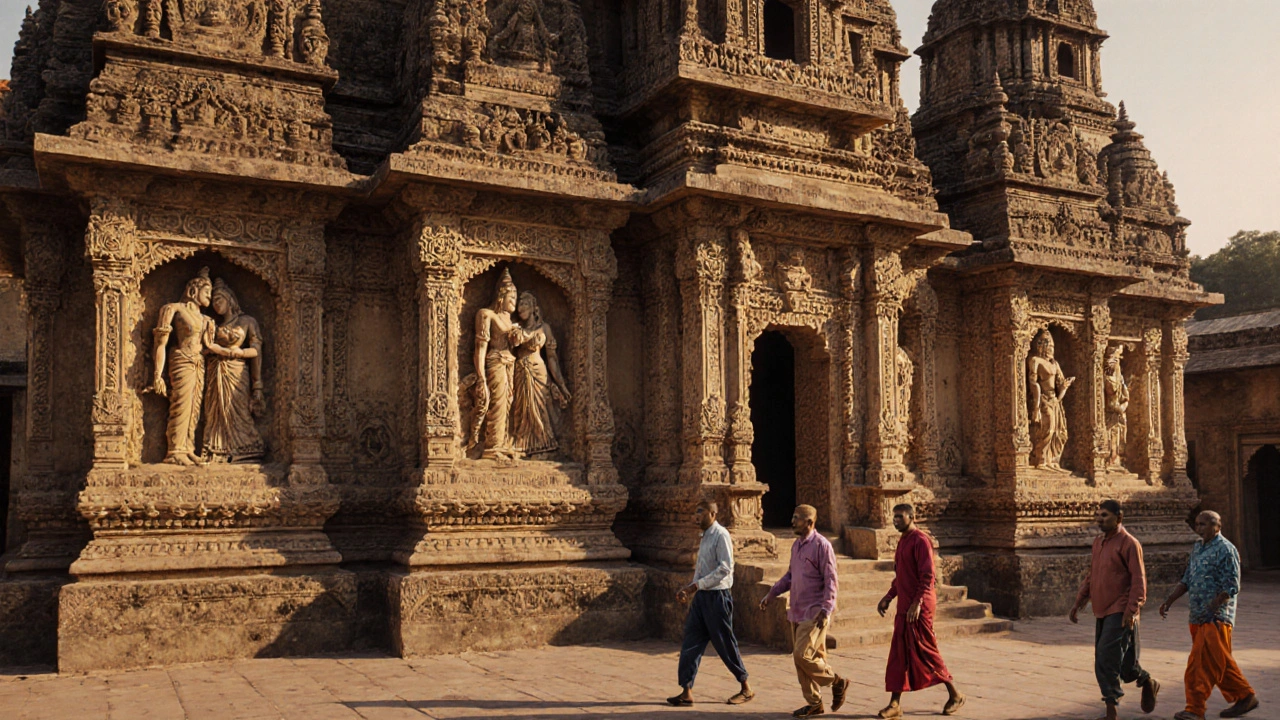
Tantric Traditions and Sexual Symbolism: Separating Myth from Historical Reality
Nov 6 2025 / Global TraditionsTantra is often misunderstood as a sexual practice, but historically it was a profound spiritual path using sex as one tool among many for awakening. This article separates myth from reality, exploring its origins, rituals, and modern distortions.
VIEW MORE