Taoist Sexual Practices: Ancient Secrets of Energy, Balance, and Longevity
When you hear Taoist sexual practices, a system of intimate techniques rooted in Daoist philosophy that links sexual energy to physical vitality and spiritual awareness. Also known as Daoist bed arts, it's not about performance—it's about preservation, flow, and quiet power. Unlike modern ideas that treat sex as a burst of release, Taoist traditions see it as a slow burn—a way to circulate life force, or qi, through the body to delay aging, sharpen focus, and strengthen relationships.
This isn’t fantasy. Historical texts from the Han Dynasty, like the Bedchamber Secrets, describe how couples trained to control ejaculation, synchronize breathing, and redirect sexual energy upward through the spine. It’s not about avoiding orgasm—it’s about transforming it. The practice overlaps with Tantra, a South Asian spiritual path that also uses sexual energy as a tool for awakening. But while Tantra leans into ritual and deity worship, Taoist methods are more mechanical: breath patterns, pelvic floor control, and timing based on lunar cycles and body rhythms. You’ll find echoes of this in Chinese sexual medicine, a branch of traditional Chinese healing that treats sexual health as central to overall wellness. It’s the same tradition that uses herbs, acupuncture, and qigong to fix low libido, fatigue, or insomnia—not by boosting testosterone, but by balancing yin and yang. These aren’t fringe ideas. They were taught in imperial courts, passed down in family lineages, and recorded in temple archives long before Western medicine started studying arousal cycles.
What’s missing today? The pressure to perform. Taoist practices don’t demand climax—they demand presence. They teach men to hold back without frustration, women to receive without obligation, and couples to build intimacy through rhythm, not intensity. This is why modern distortions—like the idea that you can multiply orgasms endlessly or absorb your partner’s energy—are just noise. Real Taoist practice is subtle, patient, and deeply personal.
Below, you’ll find articles that dig into the real history behind these ideas: how ancient cultures viewed pleasure as sacred, how medicine and myth mixed in ways we’ve forgotten, and how modern misunderstandings have turned wisdom into marketing. You’ll see how the same themes—energy, silence, control, and respect—show up in Etruscan tombs, Victorian medical manuals, and even today’s debates about consent and autonomy. This isn’t just about sex. It’s about how we’ve lost touch with our bodies, and how we might find them again.
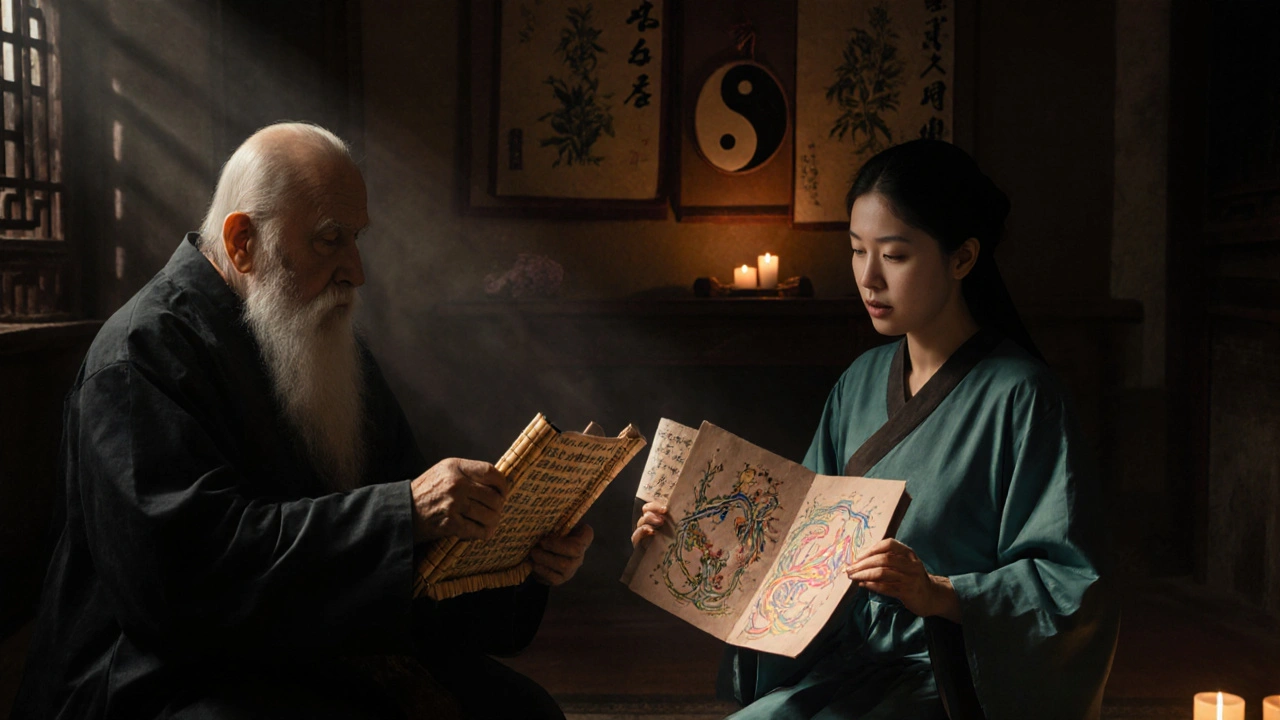
Sexuality in Ancient China and Southeast Asia: Medicine, Method, and Social Roles
Oct 22 2025 / Global TraditionsAncient China and Southeast Asia developed sophisticated systems of sexual medicine, blending spirituality, herbalism, and body awareness. From energy conservation techniques to early recognition of STIs, their methods reveal a deep, practical understanding of human sexuality long before modern science.
VIEW MORE