Title X: Understanding Sexual History, Gender, and Power
When we talk about Title X, a U.S. federal program that funds family planning and reproductive health services since 1970. Also known as Title X Family Planning Program, it’s one of the few laws in America that directly connects government funding to sexual health access—especially for low-income people. But Title X isn’t just a policy. It’s a battleground where gender, religion, politics, and science collide. Every time it’s changed—by a president, a court, or a new law—it reshaped who could get birth control, who got silenced, and what doctors could even say.
Behind Title X are deeper forces: gender roles, the social rules that tell men and women how to act, especially around sex. Also known as traditional gender norms, they’ve dictated whether women could control their own bodies, whether masturbation was seen as a sin, and whether lesbian history even got written down. These rules didn’t vanish—they just moved underground. Victorian doctors called female pleasure a disease. Courts banned erotic poetry. Police raided gay bars. And for decades, the only people allowed to speak about sex in clinics were men in white coats. Title X became a rare space where women, queer folks, and low-income communities could get care without judgment—until politics started rewriting the rules.
Then there’s consent, the idea that sex must be freely chosen, not pressured, coerced, or hidden. Also known as affirmative consent, it’s now taught in schools and courts—but it wasn’t always part of the conversation. Title X clinics didn’t just hand out pills. They taught people how to say no, how to ask for help, how to recognize when a "yes" wasn’t real. That’s why, in places where Title X funding was cut, teen pregnancy and abuse rates went up. Because when you take away access to honest sex education, you don’t stop sex—you just make it dangerous.
What you’ll find below isn’t a list of news updates. It’s a map of how we got here. From Victorian-era myths about masturbation to Etruscan tomb paintings that celebrated pleasure after death, from Anne Koedt’s fight to prove the clitoris mattered to the hidden history of lesbian erasure in archives—each post shows how power, silence, and resistance shaped the way we understand sex today. Some stories are old. Some are happening right now. All of them connect to Title X—not because it’s the only answer, but because it’s one of the few places where the fight for bodily autonomy still has a legal voice.
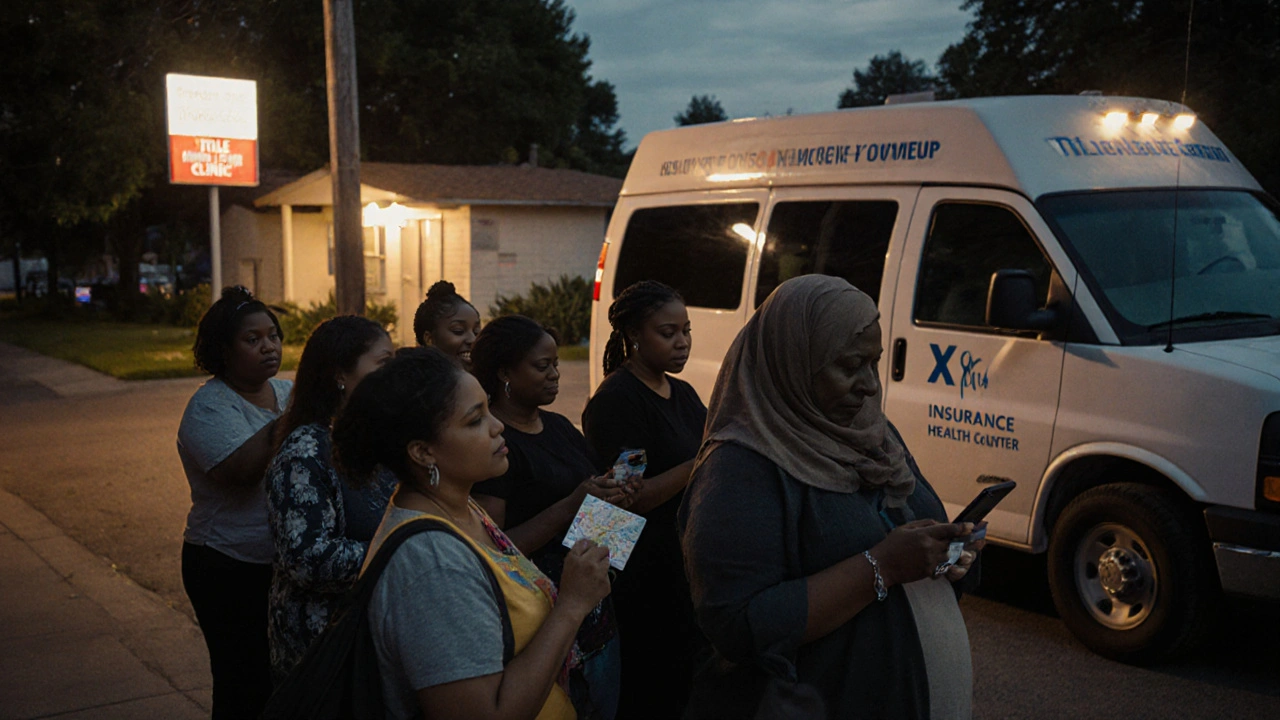
Access and Equity in Contraceptive Care: Insurance, Clinics, and Policy
Oct 24 2025 / Health & WellnessDespite legal protections, millions of U.S. women still face barriers to contraceptive care due to insurance gaps, clinic closures, and racial inequities. This article breaks down the real-world impact of policy, geography, and systemic bias on access to birth control.
VIEW MORE