Victorian Era Sexuality: Repression, Hypocrisy, and the Hidden Truths of 19th-Century Desire
When we think of Victorian era sexuality, the rigid, prudish social code of 19th-century Britain that enforced strict gender norms and banned open discussion of sex. Also known as Victorian morality, it was a system built on silence—yet beneath the surface, desire, disease, and defiance were thriving. Men were expected to be strong, stoic, and sexually active outside marriage. Women? They were supposed to be pure, passionless, and devoted to home and children. But the truth? Many women weren’t passionless—they were silenced. And many men weren’t just having sex outside marriage—they were paying for it, buying time with sex workers, and hiding it behind closed doors.
The medical world of the time turned female desire into a disease. Female hysteria, a catch-all diagnosis for anything from anxiety to sexual frustration in women. Also known as nervous disorder, it was treated with vibrators—steam-powered, hand-cranked devices that doctors used to induce "hysterical paroxysm"—what we now call orgasm. This wasn’t about health. It was about control. Women who spoke up about pleasure were labeled unstable. Women who refused sex were told they were sick. Meanwhile, men’s sexual behavior was ignored, excused, or even celebrated. The double standard wasn’t just unfair—it was institutionalized.
And it wasn’t just about bodies. Victorian gender roles, the strict separation of men into public life and women into domestic space. Also known as separate spheres ideology, this idea shaped everything—from education to employment to who could vote. A woman’s worth was tied to her chastity. A man’s was tied to his ability to provide. But history doesn’t care about rules. Women found ways to express desire. Men had affairs. Sex workers operated openly in cities. And by the late 1800s, pioneers like Havelock Ellis were quietly documenting what the world refused to name.
What you’ll find here isn’t just history. It’s the unvarnished story of how power shaped sex, how silence became a weapon, and how people fought back—even when they had to whisper. From the medical tools used to "cure" women to the banned erotic poems that mocked Victorian hypocrisy, these articles pull back the curtain on a time that claimed to be pure—but was drowning in secrets.
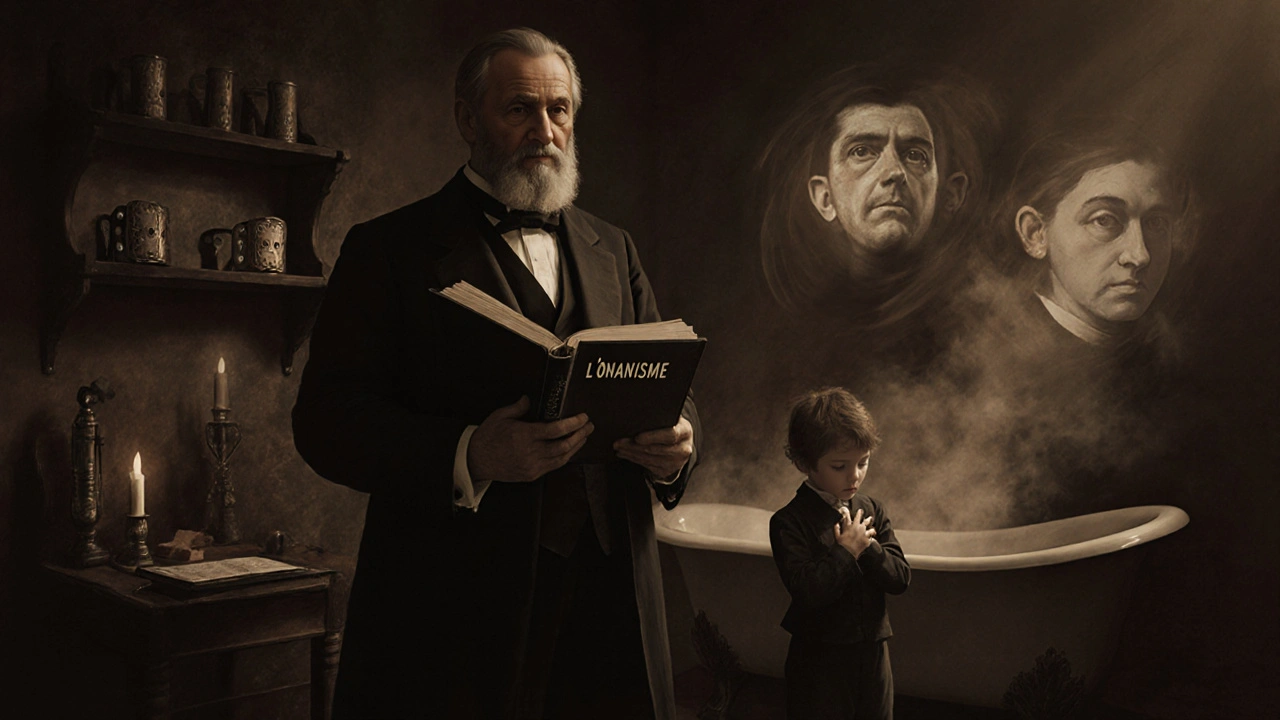
Medical Views on Masturbation: How Anxiety, Morality, and Myths Shaped Modern Health Beliefs
Oct 29 2025 / History & CultureMasturbation was once called a deadly sin by Victorian doctors-but today, science confirms it’s safe and even beneficial. This article breaks down the myths, the medical facts, and why shame still lingers despite the evidence.
VIEW MORE