Viral Suppression: What It Means for Sex, Health, and Sexual History
When someone has viral suppression, the level of HIV in their blood is so low that standard tests can’t detect it. Also known as undetectable viral load, it’s not a cure—but it’s the closest thing we have to ending the spread of HIV through sex. This isn’t science fiction. It’s a fact backed by decades of research, including the landmark PARTNER and HPTN 052 studies that proved people with sustained viral suppression cannot transmit HIV to their partners, even without condoms.
Viral suppression happens when someone takes antiretroviral therapy (ART) exactly as prescribed. Over time, the drugs stop the virus from multiplying. Within weeks, viral load drops. Within months, it becomes undetectable. And once it stays that way for at least six months, the risk of transmission drops to zero. This changed everything—not just for people living with HIV, but for how we talk about sex, stigma, and safety. Before viral suppression became widely understood, HIV was seen as a death sentence and a moral failure. Now, it’s a manageable condition, and the people who have it can live full lives, have children, and have sex without fear of passing it on.
This shift didn’t happen in a vacuum. It’s tied to the history of activism, medical breakthroughs, and the slow dismantling of fear-based narratives around sex. Think about how people used to talk about HIV in the 80s and 90s—shame, secrecy, isolation. Today, viral suppression is quietly rewriting those stories. It’s why someone can be HIV-positive and still be a loving partner, a parent, or a sex worker without putting others at risk. It’s why the phrase undetectable equals untransmittable (U=U) is now supported by over 1,000 organizations worldwide, from the WHO to local health clinics.
But here’s the gap: most people still don’t know this. Even among those who are sexually active, viral suppression is often misunderstood—or ignored. Some still believe HIV transmission is inevitable if one partner is positive. Others think testing alone is enough. But testing doesn’t tell you if someone is suppressed. Only treatment does. And that’s why the history of sex and health can’t be told without this piece. Viral suppression isn’t just a medical milestone. It’s a social one. It redefines consent, trust, and intimacy in the age of HIV.
What you’ll find in the posts below isn’t just a list of articles—it’s a map of how we got here. From the rise of antiretroviral drugs to the erasure of HIV-positive voices in queer history, from how stigma still shapes dating apps to how sex work has adapted to this new reality. These stories aren’t about fear. They’re about truth, survival, and the quiet revolution happening in bedrooms, clinics, and courtrooms across the world.
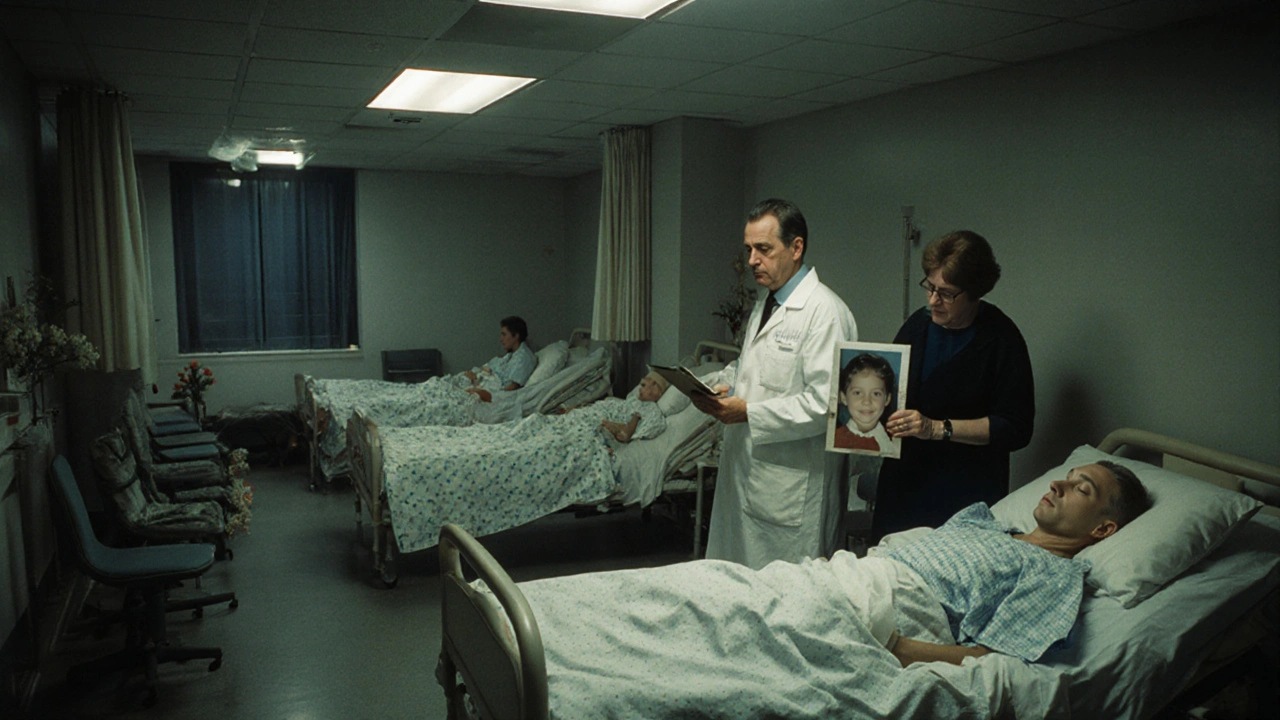
The Lazarus Effect: How Modern HIV Medications Turned a Death Sentence into a Manageable Condition
Nov 9 2025 / Health & WellnessThe Lazarus Effect transformed HIV from a fatal diagnosis to a manageable condition. Discover how modern antiretroviral therapy brought people back from the brink-and why access remains the biggest challenge today.
VIEW MORE