Viviparity: How Live Birth Shaped Evolution, Gender, and Human Sexuality
When we talk about viviparity, the biological process where embryos develop inside the mother’s body and are born alive. Also known as live birth, it’s the reason humans, whales, and bats don’t lay eggs—and why reproduction became deeply tied to the female body in ways that still shape culture today. Unlike egg-laying species, viviparous animals invest heavily in internal development, which means pregnancy isn’t just a biological event—it’s a social, economic, and even political one. This shift didn’t just change how babies are made; it rewrote the rules of survival, power, and gender roles across thousands of years.
Related to viviparity is ovoviviparity, a middle ground where eggs hatch inside the mother but receive no direct nourishment from her, seen in some sharks and snakes. But true viviparity—where the mother feeds the embryo through a placenta or similar structure—is what made mammals dominant. This biological trait created a unique link between reproduction and caregiving, a connection that ancient societies turned into rigid gender expectations. The Victorian idea of the "domestic woman"? It didn’t come from nowhere. It grew out of the physical reality that only women carry and give birth to live young. Even today, debates about abortion, IVF, and reproductive rights all trace back to this one fact: viviparity makes the female body the central site of human continuation.
And it’s not just about biology. The history of sex, from Etruscan tomb art to Victorian medical myths, is full of attempts to control or explain what happens inside the body during pregnancy. The female orgasm? It’s not needed for reproduction, but it survived evolution because it once helped trigger ovulation—another hidden link between pleasure and live birth. The steam-powered vibrators sold to treat "female hysteria"? They were tools used to manage the side effects of a reproductive system that medicine didn’t understand—and still doesn’t fully respect. Even the modern fight for LGBTQ+ rights ties in: if reproduction is tied to the body, who gets to control it? And who gets left out?
What you’ll find in these articles isn’t just history—it’s the unspoken story behind how we think about sex, gender, and power. From how medieval families used marriage to secure inheritance to why lesbianism was erased from archives, every post connects back to one truth: viviparity didn’t just change biology. It changed everything else too.
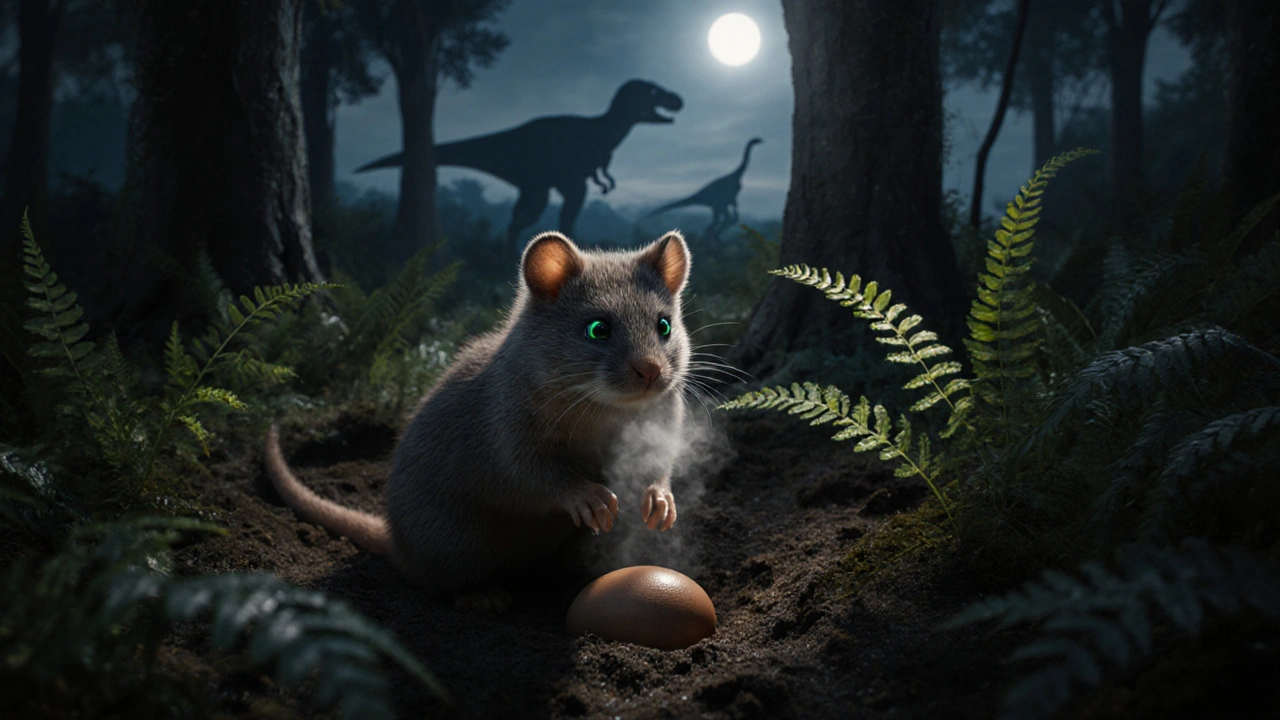
The Origins of Mammalian Reproduction: From Eggs to Live Birth
Oct 31 2025 / History & ArchaeologyMammalian reproduction began with egg-laying and evolved into live birth over 200 million years. Monotremes still lay eggs, while marsupials and placentals developed different ways to nurture young inside and after birth.
VIEW MORE