Work-Life Balance: How History Shapes Modern Boundaries Between Sex, Labor, and Identity
When we talk about work-life balance, the effort to manage professional demands against personal and intimate needs. Also known as personal boundaries in modern life, it's not just about squeezing in downtime—it's about who gets to claim time for themselves, and who was never allowed to begin with. This isn’t a new struggle. For centuries, society decided that some people’s time belonged to others—whether through marriage contracts, gendered labor roles, or moral codes that punished women for wanting pleasure outside of reproduction.
The Victorian separate spheres ideology, a system that confined women to the home and men to public work. Also known as domestic vs. public roles, it didn’t just divide chores—it divided humanity. Women weren’t just expected to care for children and clean homes; they were told their sexuality belonged only to their husbands, and even that was meant for procreation, not pleasure. Meanwhile, men were praised for working long hours, while any sign of emotional need or rest was seen as weakness. This setup didn’t just shape jobs—it shaped how we think about rest, desire, and self-worth today. Meanwhile, economic marriage, a historical practice where unions were financial deals to transfer land, wealth, and social standing. Also known as marriage as contract, it treated spouses like assets, not partners. A woman’s body wasn’t her own—it was part of the transaction. Even after marriage laws changed, the idea that your personal life should serve your economic role never fully disappeared. Today, we still see this in how mothers are penalized for taking time off, how men are shamed for seeking therapy, and how sex workers are told their labor isn’t "real" work—even when they’re managing clients, boundaries, and emotional labor just like anyone else.
Understanding work-life balance means looking past productivity hacks and calendar apps. It means seeing how systems of power—from Victorian morality to medieval dowries—built walls around who gets to rest, who gets to say no, and who gets to enjoy pleasure without guilt. The posts below don’t just talk about history—they show you how those old rules still live in our bedrooms, our workplaces, and our silence. You’ll find stories of women using steam-powered vibrators to reclaim their bodies, activists fighting to be seen as more than their labor, and forgotten cultures that saw sex and death as sacred parts of the same life. This isn’t about fixing your schedule. It’s about reclaiming your right to exist outside of what you produce.
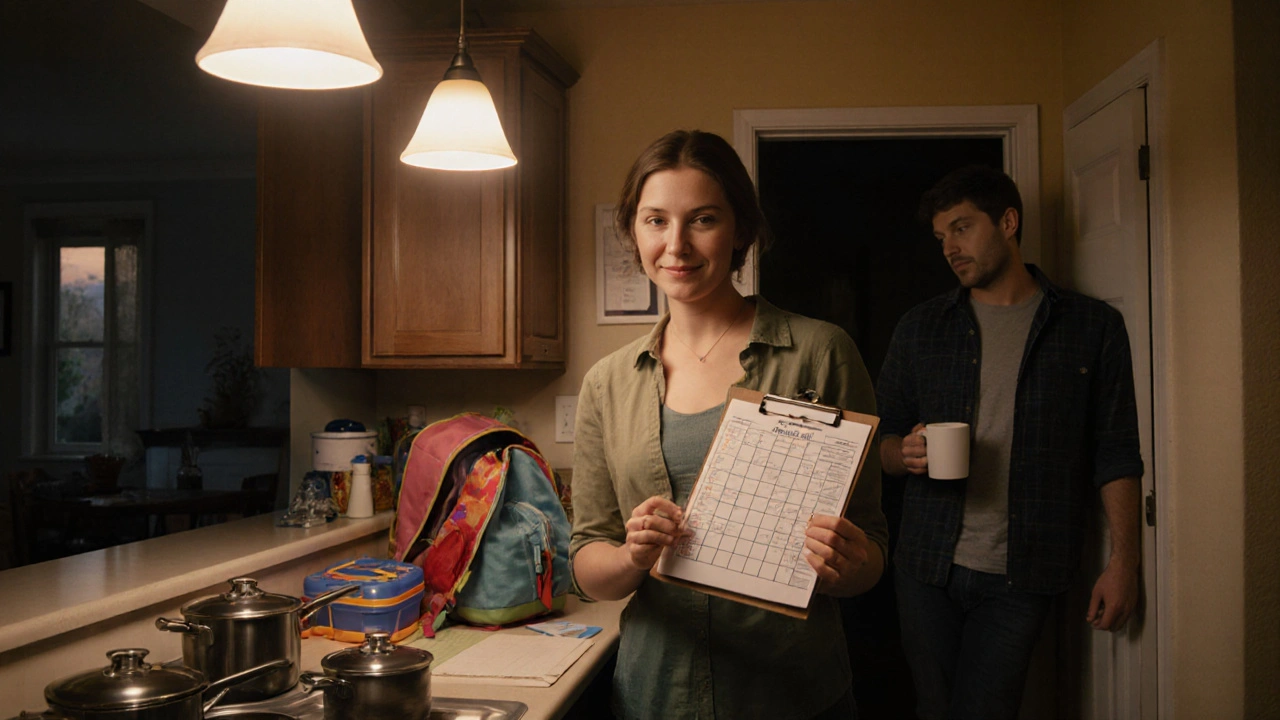
Domestic Labor and the Second Shift: Who Does What at Home?
Oct 24 2025 / EconomicsWomen still do nearly twice as much unpaid housework and childcare as men-even when they work full-time. This 'second shift' drains time, energy, and mental health. Data shows the gap persists across races and income levels, and real change requires more than good intentions.
VIEW MORE