Fabliau Decoder: Spot the Medieval Comic Story
A fabliau is a short, punchy comic tale from medieval France built on trickery, sexual innuendo, and mockery of the powerful. Below, explore the classic ingredients first — then put your detective skills to work sorting real story setups.
Click each theme to see how it shows up in a fabliau. These are the building blocks you'll use in the challenge.
Drag each story setup into the pile it belongs to. Or tap a setup, then tap a pile. Ready?
Your Verdict
When we think of the Middle Ages, we often picture knights in shining armor, solemn prayers, and strict religious rules. But beneath that serious surface, people were laughing-loudly, crudely, and often about sex. The Fabliaux is a genre of short, comic verse stories from medieval France that feature trickery, sexual innuendo, and social satire. These tales weren’t just jokes; they were a way for ordinary people to poke fun at the powerful, challenge social norms, and celebrate human desire without fear of judgment.
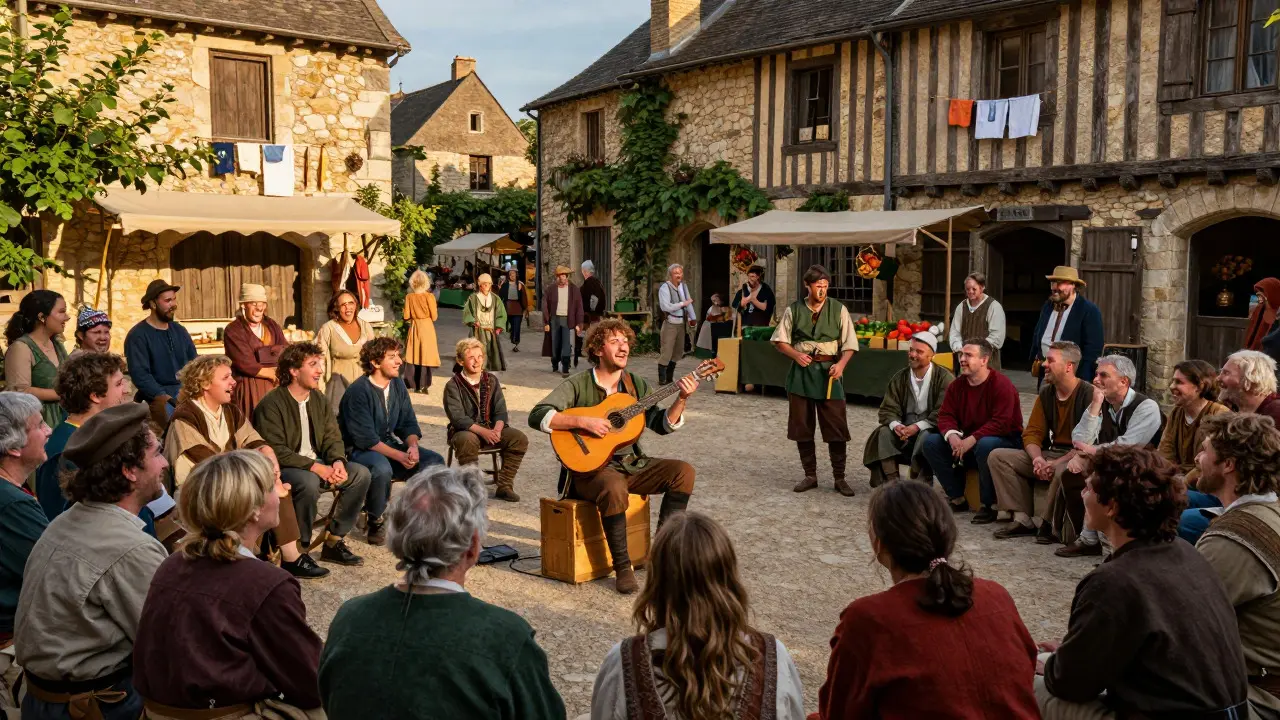
You might wonder how such bawdy content survived in an era dominated by the Catholic Church, which preached chastity and viewed lust as a deadly sin. The answer lies in who was telling these stories and who was listening. Fabliaux were primarily oral traditions, passed down by minstrels, travelers, and common folk in markets, taverns, and village squares. Because they rarely appeared in official church records or noble court manuscripts, they escaped heavy censorship. They existed in the gray area between entertainment and rebellion.
The Anatomy of a Fabliau
A typical fabliau follows a simple but effective structure. It’s short, punchy, and ends with a twist. The protagonist is usually a clever underdog-a peasant, a merchant, or a young wife-who outsmarts a more powerful figure, like a lord, a priest, or a husband. The humor relies on wordplay, physical comedy, and double entendres. For example, a story might describe a man “plowing” his field, only to reveal he’s actually working in the barn with his neighbor’s wife. The audience gets the joke because they understand the context, even if the text stays technically vague.
These stories often subvert expectations. A wealthy knight might be humiliated by a poor woman’s wit. A respected priest might be caught in a compromising position. This wasn’t random chaos; it was social commentary. By mocking the elite, the common people asserted their own intelligence and agency. In a society where your birth determined your fate, the fabliau offered a temporary world where brains beat status.
Sex as a Tool for Social Commentary
In many fabliaux, sex isn’t just for laughs-it’s a vehicle for critique. Consider the famous tale Le Bel Aspre (The Fair Ass). A knight brings home a beautiful mare, claiming she’s his prize. His wife, suspicious, asks to see her. When the knight leads her to the stable, the wife realizes the “mare” is actually a woman hiding under a blanket. The story plays with gender roles and marital trust. Who has the power? Who controls the truth? The humor comes from the wife’s deception, not just the sexual situation itself.
Another common theme is the “cuckolded husband.” In these stories, a jealous husband suspects his wife of cheating. He hires a spy or sets a trap, but the wife and her lover outsmart him. The final scene often involves the husband being publicly shamed, perhaps covered in dung or forced to wear a ridiculous hat. This reflects real anxieties about property and lineage. In medieval law, a child born to a married woman was considered legitimate, regardless of the father. So, ensuring paternity was crucial. The fabliau pokes fun at this legal reality while celebrating female sexual autonomy.
Famous Examples and Their Impact
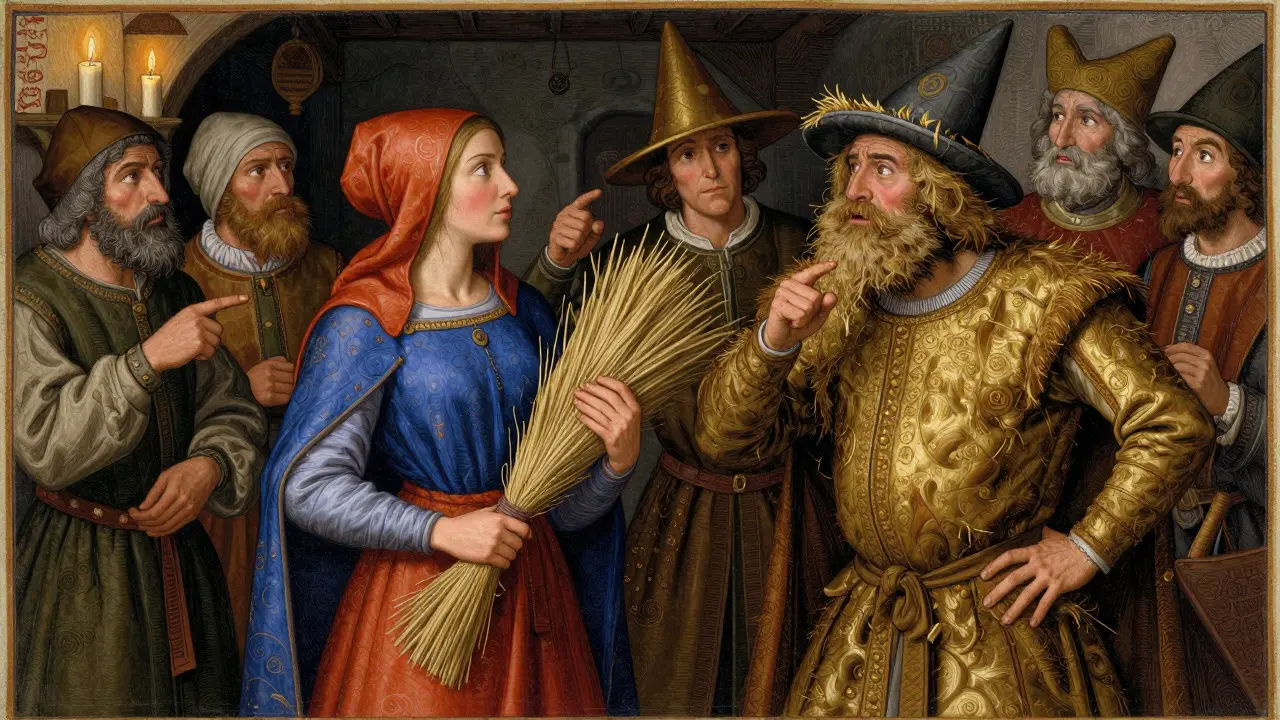
One of the most well-known fabliaux is La Vache Herissée (The Hairy Cow). A woman tells her husband she bought a cow, but when he goes to check on it, he finds his wife in bed with another man. The “cow” is a metaphor for the wife, and the “hair” refers to the lover’s beard. The story is crude, yes, but it also highlights the gap between public appearances and private realities. Another classic is Le Chevalier au Lion (The Knight and the Lion), though this one leans more toward chivalric romance, it still contains moments of bawdy humor involving servants and kitchen scenes.
These stories influenced later literary traditions. Chaucer’s Canterbury Tales, written in English in the late 14th century, draws heavily from the fabliau tradition. Chaucer’s Miller’s Tale, for instance, features a carpenter whose wife takes two lovers, leading to a chaotic night of mistaken identities and flying furniture. The parallels are clear: both genres use sex to drive the plot and mock social hierarchies. Even today, sitcoms and comedies rely on similar structures-the clever underdog, the embarrassed authority figure, and the happy ending that restores order (or leaves it hilariously disrupted).

Why Did People Love These Stories?
Human beings have always needed laughter to cope with stress. Life in the Middle Ages was hard. Disease, war, famine, and rigid social structures made daily existence challenging. Fabliaux provided an escape. They allowed listeners to imagine a world where the rules didn’t apply, where the weak could win, and where desire was celebrated rather than punished. Listening to a fabliau was a communal experience. People gathered together, laughed together, and shared a sense of solidarity against the pressures of their lives.
Moreover, these stories reinforced cultural values in subtle ways. While they mocked priests and lords, they also emphasized the importance of loyalty among friends and neighbors. A good fabliau doesn’t just tear down; it builds up a vision of a more just, if imperfect, community. The humor is inclusive. Everyone knows the jokes. Everyone feels part of the group. This social bonding function made fabliaux essential to medieval culture, even if the Church disapproved.
| Medieval Fabliau Theme | Modern Equivalent | Core Purpose |
|---|---|---|
| Clever peasant outwits lord | Underdog wins in workplace comedy | Social leveling |
| Cuckolded husband | Jealous partner in sitcom | Mocking insecurity |
| Priest caught in scandal | Hypocritical authority figure | Challenging power |
| Wordplay and double entendre | Puns and visual gags | Intellectual engagement |
Legacy and Relevance Today
Today, we might view medieval sex humor through a modern lens, sometimes finding it outdated or even offensive. Women are often portrayed as cunning seductresses, men as foolish victims, and priests as corrupt figures. But context matters. These stories were products of their time, reflecting the tensions and aspirations of medieval society. They remind us that humor has always been a tool for survival, resistance, and connection. Whether you’re watching a stand-up special or reading a 13th-century poem, the goal is the same: to laugh at the absurdity of life and find joy in shared humanity.
The fabliau teaches us that storytelling is never neutral. Every joke carries a message. Every laugh reinforces a worldview. By studying these ancient tales, we gain insight into how people have navigated the complex intersection of love, power, and morality throughout history. And maybe, just maybe, we’ll smile at the next time someone tells a bad pun at dinner.
What is a fabliau?
A fabliau is a short, comic verse story from medieval France that typically features trickery, sexual innuendo, and social satire. They were popular among common people and often mocked the clergy and nobility.
Were fabliaux widely read or mostly oral?
Fabliaux were primarily oral traditions, performed by minstrels and storytellers in public spaces. While some were written down, their popularity stemmed from live performance and communal listening.
How did the Church view fabliaux?
The Catholic Church generally disapproved of fabliaux due to their bawdy humor and criticism of clergy. However, because they were oral and not part of official liturgy, they escaped direct censorship.
Did fabliaux influence later literature?
Yes, fabliaux significantly influenced later European literature, including Chaucer’s Canterbury Tales and Shakespearean comedies. Many modern sitcoms and films draw on similar narrative structures and themes.
Are fabliaux still relevant today?
Absolutely. Fabliaux offer insights into medieval social dynamics and demonstrate the timeless power of humor as a tool for social commentary and community building.