1910 Federal Law: How Early Sex Regulations Shaped Modern Sex Work and Morality
When the 1910 federal law, a key part of the Mann Act that criminalized transporting women across state lines for "immoral purposes". Also known as the Mann Act, it was sold as protection for women—but in practice, it became a tool to control sex workers, target interracial relationships, and silence sexual expression. This wasn’t just about trafficking. It was the U.S. government stepping in to define what was "moral"—and who got to decide.
The Comstock Act, a 1873 federal law banning the mailing of "obscene" materials, including contraception and sex education. Also known as anti-vice legislation, it laid the groundwork for how sexuality was policed through mail, media, and medicine. By 1910, these laws had merged into a system that treated sex work as a crime, not a livelihood, and pleasure as something to be hidden. Doctors couldn’t legally discuss contraception. Writers couldn’t send erotic letters. Women traveling alone for work risked arrest. And Black men traveling with white women? They were targeted under the guise of "white slavery." The 1910 federal law turned intimacy into a legal gray zone—and it stuck.
These rules didn’t just punish people—they erased history. Stag films, once shared in secret, became evidence of crime. Sex workers were labeled criminals instead of laborers. Even the word "prostitution" was stripped of its economic context and turned into a moral failing. The Victorian sexuality, the rigid moral code that equated female purity with social order. Also known as domestic morality, it fueled the fear behind these laws. That same fear still shows up today in how sex work is regulated, how porn is blocked, and how consent is misunderstood.
What you’ll find in the posts below isn’t just history—it’s the blueprint for today’s battles. From how police raids on gay bars mirrored the tactics used against sex workers, to how early vibrators were sold as medical devices to avoid the 1910 federal law, these stories show how control over sex has always been about power. You’ll see how the same people who banned erotic poetry in the 1500s were using the same logic in 1910. How the fight for LGBTQ+ rights today is built on the same resistance that started when women were arrested for riding trains alone. This isn’t about old laws. It’s about who gets to own pleasure—and who gets punished for it.
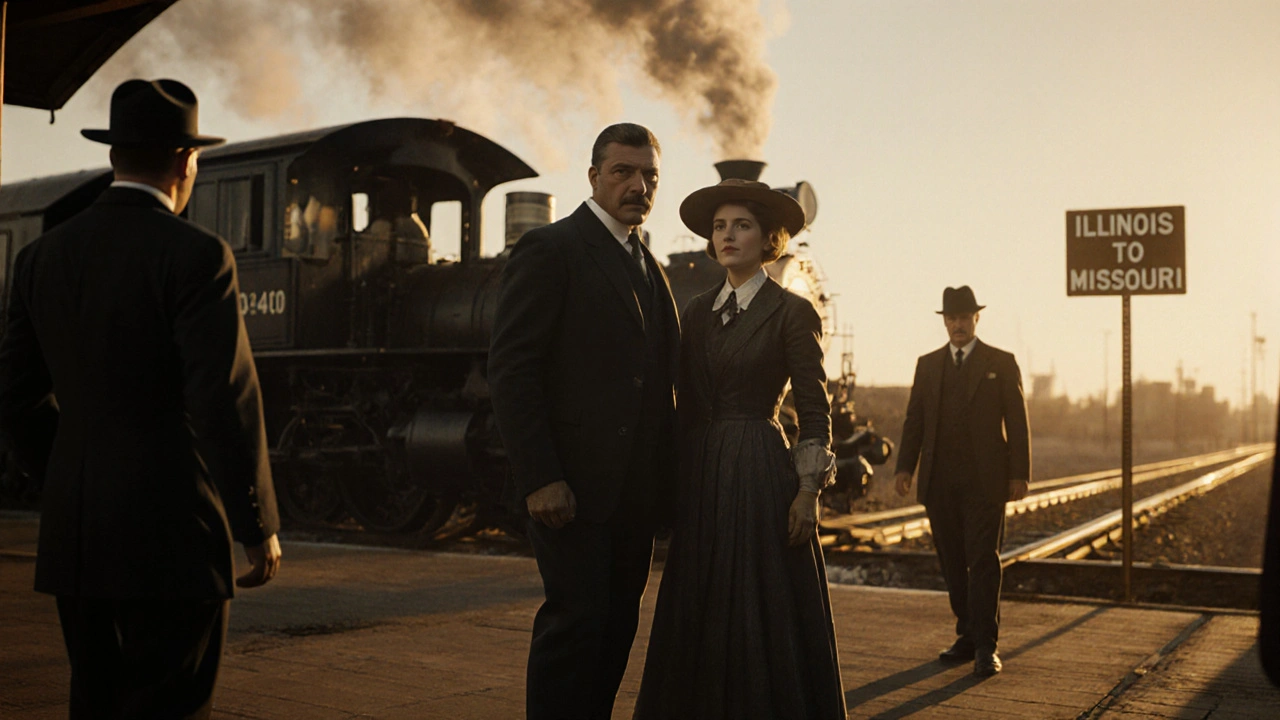
The Mann Act (1910): How a Moral Panic Criminalized Interracial Relationships and Shaped Federal Power
Oct 28 2025 / History & CultureThe Mann Act of 1910 was meant to stop sex trafficking but became a tool to criminalize interracial relationships and consensual sex. Jack Johnson's case exposed its racial bias, and its vague language led to decades of misuse.
VIEW MORE