1920s Porn Films: The Hidden Origins of Early Erotic Cinema
When you think of 1920s porn films, hidden, low-budget erotic shorts made during the silent film era. Also known as smut films, they were smuggled in tin cans and shown in back rooms—not theaters. These weren’t just crude clips; they were the first real attempts to capture sexual desire on film, made when talking pictures didn’t exist and morality laws were tightening. Back then, the only way to see nudity or sex was through private screenings, traveling vaudeville acts, or secret projectors in basements. Studios like those run by Irving Klaw and other underground producers churned out films that looked like home movies but carried the pulse of a society craving freedom.
These films didn’t have sound, so they relied on movement, lighting, and expression. A raised eyebrow, a slow undressing, the curve of a hip in flickering black-and-white—these were the cues that turned simple scenes into powerful acts of rebellion. Silent film erotica, the term for early erotic cinema without synchronized audio. Also known as silent sex films, it was the only form of sexual expression legally allowed in public, because silence made it easier to deny what you were seeing. The actors? Often dancers, burlesque performers, or women desperate for cash. Men were rarely seen naked—women bore the brunt of both the gaze and the risk. And yet, these films gave voice to desires that polite society refused to name.
Underground pornography, the illegal, unregulated production and distribution of sexual media. Also known as smut trade, it thrived because the law couldn’t keep up with the technology. Police raids happened, prints were destroyed, but new ones always appeared. These films were the ancestors of today’s digital porn—not in style, but in spirit. They were made by people who refused to stay silent, who used the only tools available to claim their sexuality. The technology was primitive, the lighting poor, the acting awkward—but the hunger behind them was real. These weren’t fantasies for men alone. Women watched too. Queer people found themselves in the shadows of these scenes. And for a few fleeting minutes, under flickering lamplight, people felt seen.
By the late 1920s, talkies arrived, and with them, stricter censorship. The Hays Code would soon crush these films, but not before they laid the foundation for everything that came after. The way bodies moved, the framing of desire, the thrill of the forbidden—it all started here. You won’t find these films in museums. Most are lost. But their influence? It’s everywhere—in the way we watch, the way we crave, the way we still hide what we love.
What follows is a collection of articles that dig into the hidden corners of sexual history—from the medical tools women used to find pleasure, to how censorship shaped what we could see, to how modern porn still echoes the silent, shaky frames of a 1920s film projector. These aren’t just stories about sex. They’re stories about power, survival, and who gets to decide what’s acceptable.
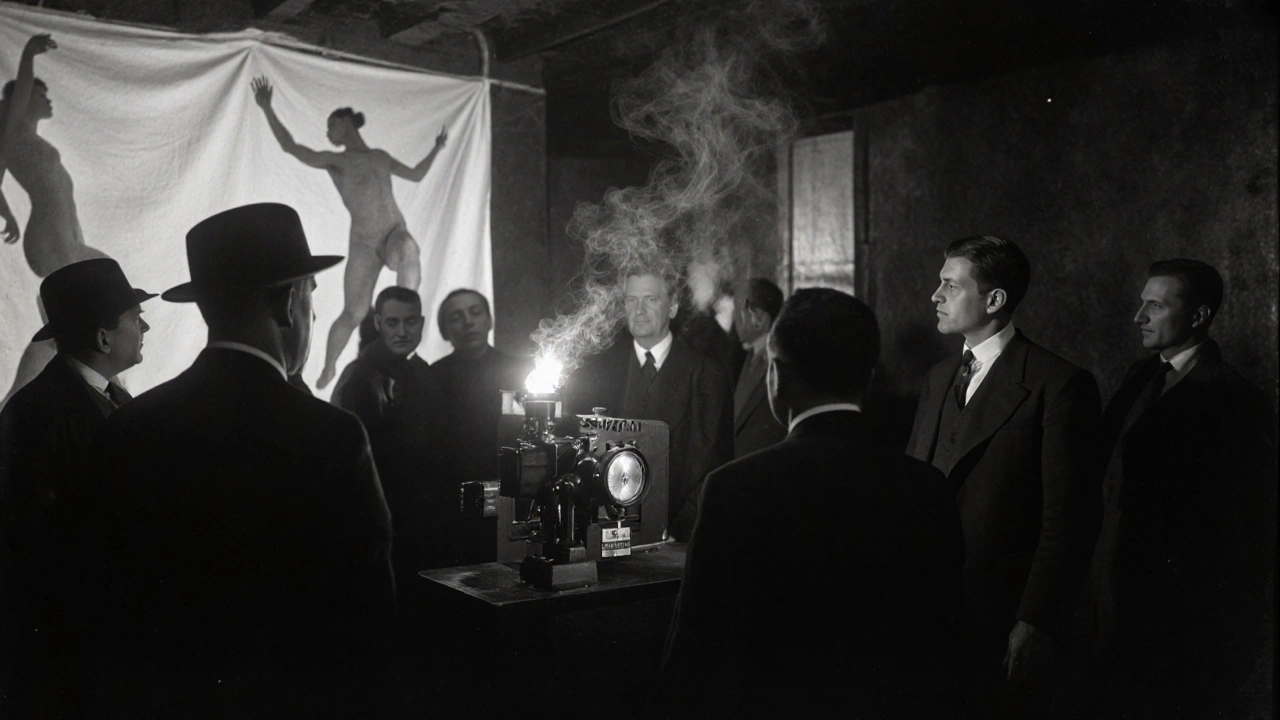
Stag Films (1900s-1940s): The Underground Pornographic Movies That Shaped Modern Adult Cinema
Nov 6 2025 / History & CultureStag films were underground pornographic movies made in secret from 1915 to 1968, shown in all-male gatherings and distributed through covert networks. They shaped the foundation of modern adult cinema.
VIEW MORE