Afterlife Rituals: How Cultures Have Buried the Dead and Kept the Dead Alive
When people die, they don’t just disappear—they become part of a story. afterlife rituals, the practices cultures use to honor, guide, or communicate with the dead. Also known as funerary traditions, these customs aren’t just about saying goodbye—they’re about holding on. Every society, from the earliest hunter-gatherers to modern cities, has built rituals around death because the idea of finality is too hard to accept. These rituals answer questions we still ask today: Where do they go? Do they still know us? Can we reach them?
burial practices, the physical ways bodies are treated after death. Also known as interment customs, they range from simple graves to elaborate pyramids. In ancient Egypt, mummification wasn’t just preservation—it was a guarantee of rebirth. In medieval Europe, burying the dead facing east wasn’t random; it was a belief that the resurrected would rise to meet the returning sun. Even today, cremation rates are rising not because people stopped believing in an afterlife, but because how they imagine it has changed. Then there’s ancestor worship, the ongoing spiritual connection to deceased family members through offerings, altars, and rituals. In China, families burn paper money for ancestors to use in the next world. In Mexico, Día de los Muertos turns death into a colorful reunion. These aren’t relics—they’re living acts of love, control, and memory.
death customs, the social rules around mourning, dress, silence, and behavior after a death. Also known as mourning traditions, they tell us who mattered, who had power, and who was left behind. Victorian widows wore black for years. Some Indigenous groups fasted for weeks. In parts of the Pacific, families kept skulls as reminders. These customs weren’t just emotional—they were political. Who got a stone grave? Who got a hole in the ground? Who got remembered? The answers reveal who held power in life, and who still controlled the story after death.
What you’ll find in the posts below isn’t a list of strange customs—it’s a map of human fear, hope, and resilience. You’ll read about how the dead were used to justify laws, how sex and death were linked in temple rites, how medical myths turned grief into something to be cured, and how silence around death was just as powerful as the loudest funeral. These aren’t ancient stories. They’re the roots of how we still grieve, celebrate, and hide from death today.
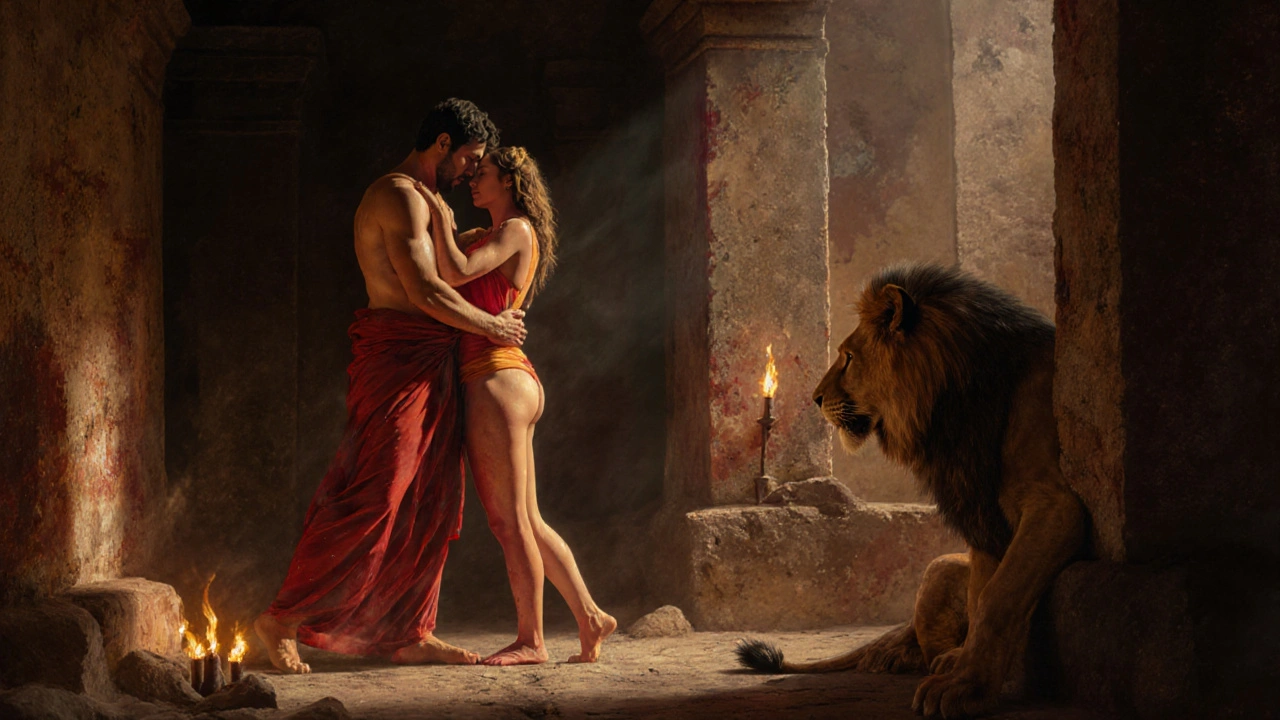
Etruscan Funerary Scenes: What Sexual Depictions Reveal About Death and the Afterlife
Nov 26 2025 / History & CultureEtruscan funerary art features explicit sexual scenes not as decoration, but as sacred rituals to guide the soul into the afterlife-revealing a culture that embraced pleasure, death, and spiritual transformation.
VIEW MORE