AIDS History: How the Epidemic Changed Medicine, Culture, and Rights
When AIDS history, the social, medical, and political story of the AIDS epidemic that began in the early 1980s. Also known as the HIV/AIDS crisis, it began as a mysterious illness killing gay men, intravenous drug users, and hemophiliacs—and quickly became the defining public health emergency of the late 20th century. At first, no one in power cared. Doctors didn’t know how it spread. Politicians stayed silent. The media called it "the gay plague." But the people most affected didn’t wait for permission to fight back.
That fight changed everything. HIV treatment, the medical approach to managing the human immunodeficiency virus that causes AIDS went from nonexistent to life-saving in less than a decade. Before antiretrovirals, a diagnosis was a death sentence. Now, with proper medication, people with HIV can live long, healthy lives—something unimaginable in 1985. But access still isn’t equal. In rural areas, low-income countries, and among marginalized communities, getting medicine remains a battle. Meanwhile, LGBTQ+ rights, the movement for legal and social equality for lesbian, gay, bisexual, transgender, and queer people grew out of the ashes of the epidemic. The anger from lost friends, the shame from stigma, the silence from government inaction—those became fuel for protests, legal challenges, and the first real push for queer visibility in mainstream America.
The HIV epidemic, the global outbreak of HIV infections that peaked in the 1980s and 1990s didn’t just kill. It exposed how society treats the unwanted. People lost jobs. Families turned them away. Hospitals refused care. But it also showed how community can save lives. Mutual aid networks, underground drug distribution, patient-led research groups—they did what governments wouldn’t. And those same networks still exist today, helping people get tested, find PrEP, and stay on treatment.
What you’ll find below isn’t just a list of articles. It’s a collection of stories that connect the dots between the AIDS history and the deeper forces that shaped it: how fear controlled sex education, how medicine pathologized desire, how activism turned silence into power, and how the fight for survival rewrote the rules of who gets to live—and who gets to be seen.

The AIDS Epidemic: Devastation, Stigma, and LGBTQ+ Activism
Feb 23 2026 / LGBTQ+ HistoryThe AIDS epidemic killed over 44 million people worldwide and reshaped LGBTQ+ rights, public health, and activism. From government neglect to community resistance, this is the story of how stigma met solidarity - and why it still matters today.
VIEW MORE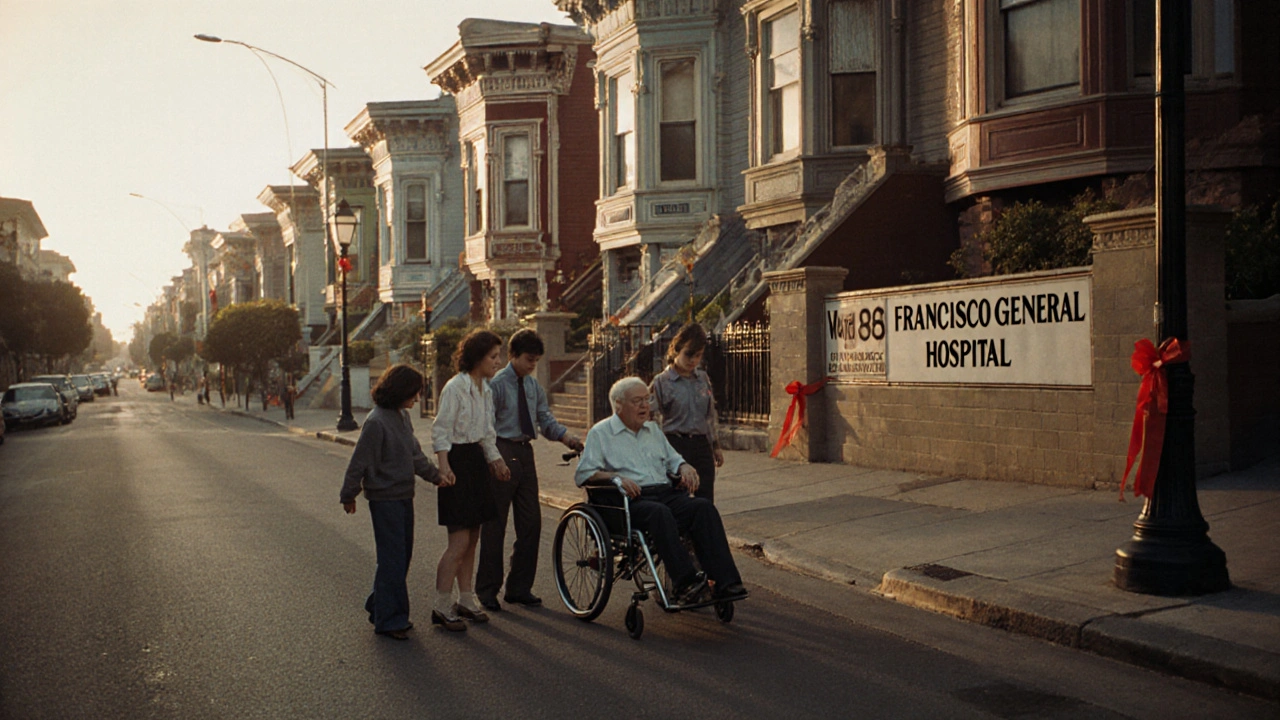
Cities Hit Hardest by AIDS: San Francisco, New York, Fort Lauderdale
Oct 24 2025 / History & CultureSan Francisco, New York, and Fort Lauderdale were among the hardest-hit U.S. cities during the AIDS epidemic. Learn how community action saved lives in San Francisco, why New York struggled, and why Fort Lauderdale’s crisis was largely overlooked.
VIEW MORE