AIDS Impact Comparison Tool
Compare City Impact
Select a city to view key statistics and historical context about the AIDS epidemic
San Francisco
Key Statistics
- Total deaths: 21,000+
- Living with HIV (2021): 15,631
- % knowing status: 97%
- PrEP usage: 75%
Historical Impact
Ward 86 opened in 1983 - world's first outpatient AIDS clinic
Getting to Zero initiative reduced new infections through community-based care
New York
Key Statistics
- New diagnoses (2021): 50% among Black residents
- AIDS death rate: Higher than SF
- PrEP access: Expanded but disparities persist
Historical Impact
Faced multiple high-risk neighborhoods simultaneously
Lacked coordinated response until 2015 Getting to Zero initiative
Fort Lauderdale
Key Statistics
- Estimated deaths: 1,000+
- Testing rates: Lagging behind national average
- Community response: Reactive, not strategic
Historical Impact
Major gay tourism hub with transient populations
Lacked infrastructure for early response
When the first cases of what would become known as AIDS appeared in 1981, no one knew how it spread, who it would kill, or how to stop it. But in certain cities, the virus hit like a thunderclap. San Francisco, New York, and Fort Lauderdale became ground zero for a crisis that would reshape communities, redefine healthcare, and leave behind tens of thousands of graves. These weren’t just cities with high infection rates-they were places where entire neighborhoods were gutted, where love letters became obituaries, and where ordinary people became frontline caregivers overnight.
San Francisco: The Epicenter of Loss and Innovation
San Francisco’s Castro District was one of the first places in the world where the AIDS epidemic became visible. By 1980, HIV prevalence among gay men in the city’s sexual health clinics had jumped from 1% to 25%. Two years later, it was 65%. The numbers didn’t just reflect infection-they reflected isolation. Friends watched each other waste away. Nurses who refused to touch patients were outnumbered by volunteers who held hands and changed bed sheets.
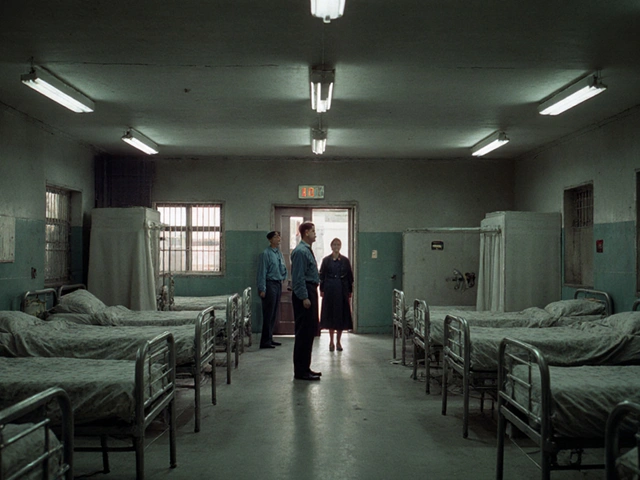
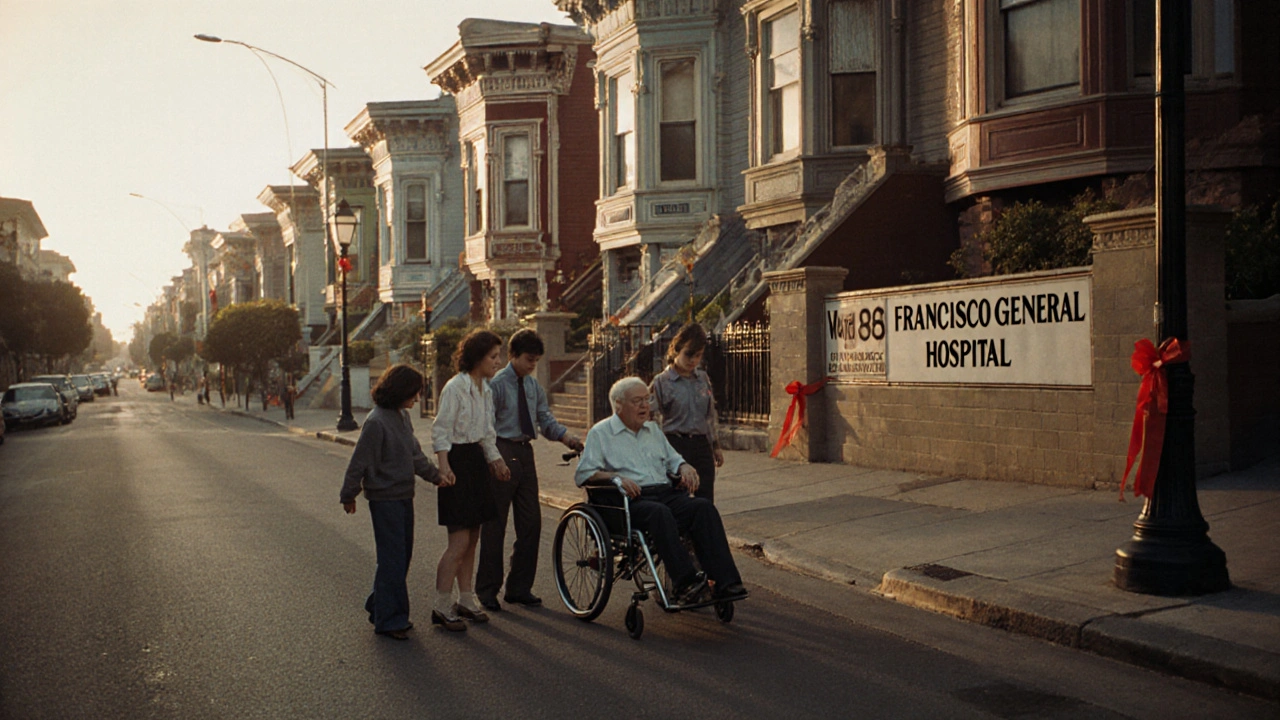
San Francisco General Hospital opened Ward 86 in 1983-the world’s first outpatient AIDS clinic. Dr. Paul Volberding, one of the first doctors to treat patients with Kaposi’s sarcoma, didn’t wait for permission. He started treating people when no one else would. The hospital also built the first inpatient AIDS ward, 5B, where staff worked without gloves or gowns because they didn’t yet understand how the virus spread. What made San Francisco different wasn’t just medical care-it was compassion as policy. Electronic records tracked every patient. Social workers helped with housing. Counselors dealt with grief. By 2012, 71% of patients there had suppressed viral loads-far above the national average.
Over 21,000 San Franciscans have died from AIDS since the 1980s. In 2021, 15,631 people in the city were living with HIV-11% of all Californians with the virus, despite the city making up less than 2% of the state’s population. New diagnoses rose 16% in 2021 compared to 2020, but experts think that’s partly due to delayed testing during the pandemic. What’s more telling is that 97% of people in San Francisco know their HIV status, compared to 87% nationwide. Pre-exposure prophylaxis (PrEP) use hits 75% here, while the national rate is 25%. The city’s Getting to Zero initiative, launched in 2014, set a goal: zero new infections, zero deaths, zero stigma. It’s not perfect. But it’s the closest any city has come to winning.
New York: A City of Contrasts and Overwhelmed Systems
New York City didn’t have a single neighborhood like the Castro. It had dozens-Chelsea, the East Village, Harlem, the South Bronx. The virus moved through gay men, intravenous drug users, and heterosexual partners in ways that were harder to track. By 1982, 12% of all U.S. AIDS cases were in New York. The city’s hospitals were flooded. Morgues ran out of space. Families abandoned loved ones. Many died without anyone holding their hand.
Unlike San Francisco, New York’s response was fragmented. Public hospitals were underfunded. Private clinics were overcrowded. The city didn’t create a unified care model until years later. In the early days, some doctors refused to treat patients. Others didn’t know how. There was no system to connect people to housing, food, or mental health support. The epidemic exposed deep fractures in urban infrastructure. African Americans and Latino communities were hit hardest, but services didn’t reach them. By 2016, the CDC found Black Americans were least likely to receive consistent HIV care-a pattern that still echoes today.
Today, New York has made progress. The city launched its own Getting to Zero plan in 2015, modeled after San Francisco’s. Testing rates have improved. PrEP access has expanded. But the numbers still tell a story of inequality. In 2021, Black New Yorkers accounted for nearly half of all new HIV diagnoses, despite making up just 22% of the population. The city’s death rate from AIDS-related causes remains higher than San Francisco’s. The difference? San Francisco built its system from the ground up, with community input. New York had to patch together a broken system while the crisis raged.
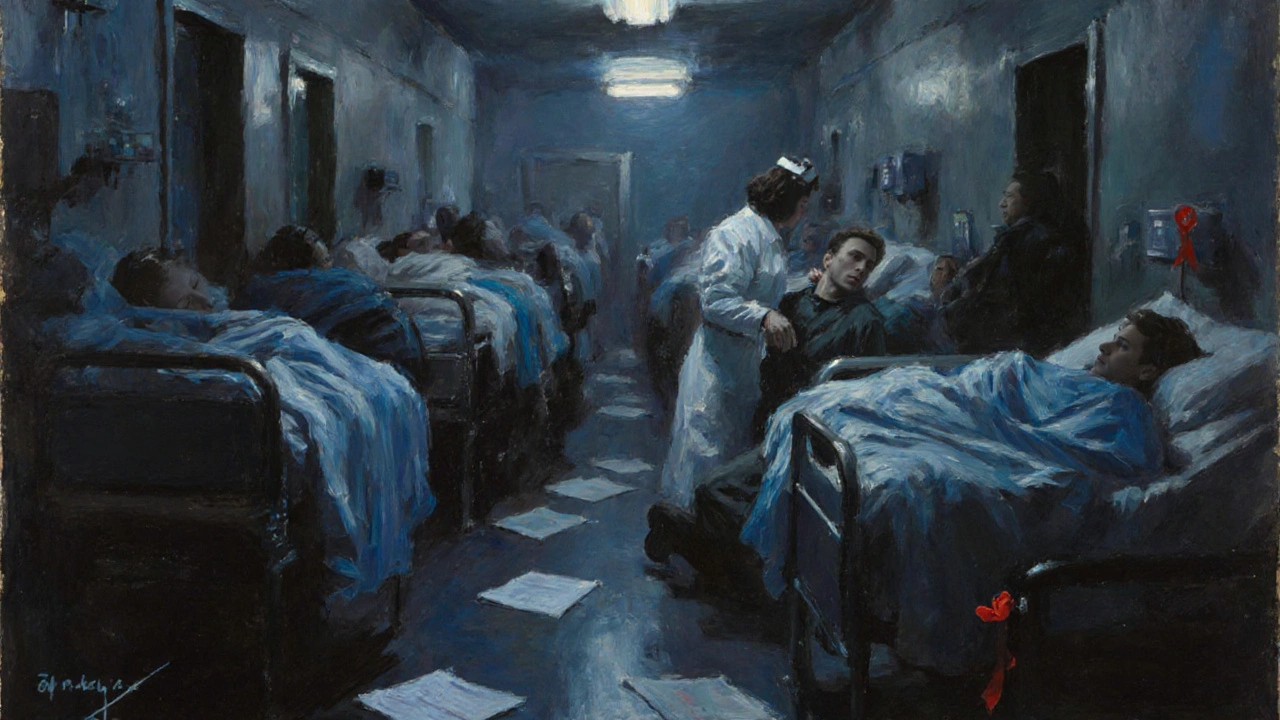
Fort Lauderdale: The Quiet Crisis
Fort Lauderdale doesn’t show up in most AIDS histories. No documentaries. No famous clinics. No national headlines. But it was one of the hardest-hit cities in the U.S. Why? Because it was a hub for gay tourism, a place where men from across the country came for weekend getaways, parties, and casual encounters. The virus spread quickly through transient populations and under-resourced clinics.
Unlike San Francisco, where community organizations like the San Francisco AIDS Foundation formed in 1982, Fort Lauderdale lacked the infrastructure to respond. Local health departments were overwhelmed. Many people didn’t get tested until they were already sick. Hospitals didn’t have dedicated units. Volunteers didn’t have the training. The city didn’t have a Ward 86. No one wrote a book about it. But the death toll was real.
There are no official numbers that match San Francisco’s detailed records. No annual reports on new diagnoses or viral suppression rates. But anecdotal evidence from local activists and funeral homes suggests Fort Lauderdale lost hundreds-possibly over a thousand-residents to AIDS in the 1980s and 1990s. The city’s response was reactive, not strategic. It didn’t have the political will or the population density to mobilize quickly. Today, Fort Lauderdale’s HIV rates are lower than in the peak years, but stigma still lingers. Many who lived through it don’t talk about it. The memorials are small. The names are forgotten.

Why These Three Cities? The Common Threads
San Francisco, New York, and Fort Lauderdale didn’t just have high HIV rates-they had conditions that made outbreaks inevitable. Large gay populations. High mobility. Poor access to healthcare for marginalized groups. And, most critically, a lack of early government action. In 1981, when the CDC first reported cases, federal funding was nearly zero. Reagan didn’t mention AIDS publicly until 1985. By then, thousands were dead.
What saved lives in San Francisco wasn’t a miracle drug. It was community. Neighbors took in sick friends. Artists painted murals to raise awareness. Churches opened their doors. The city treated HIV as a public health emergency, not a moral failing. New York eventually followed, but too late for many. Fort Lauderdale never caught up.
Even today, disparities remain. In San Francisco, 20% of new HIV cases are among unhoused people. African Americans, though a smaller percentage of the city’s HIV-positive population, have worse health outcomes. The same patterns show up in New York. Fort Lauderdale’s data is sparse, but the pattern is clear: poverty, homelessness, and racism still drive transmission.
What’s Changed-and What Hasn’t
Today, HIV is no longer a death sentence. Antiretroviral therapy can suppress the virus to undetectable levels. People living with HIV can live long, healthy lives. PrEP prevents infection. U=U (Undetectable = Untransmittable) is now medical fact.
But access isn’t equal. In San Francisco, 75% of eligible people take PrEP. Nationally, it’s 25%. In New York, Black men are still 10 times more likely to be diagnosed with HIV than white men. In Fort Lauderdale, testing rates lag behind the national average. The tools exist. The knowledge exists. But the will to reach everyone? That’s still missing.
The legacy of these three cities isn’t just in the numbers. It’s in the lessons. San Francisco proved that when you treat people with dignity, you save lives. New York showed what happens when systems fail the vulnerable. Fort Lauderdale reminds us that epidemics don’t just hit big cities-they spread where no one’s watching.
There are still 1.2 million Americans living with HIV. Every year, 30,000 new cases are diagnosed. We have the power to end this. But only if we remember what happened in San Francisco, New York, and Fort Lauderdale-and refuse to let it happen again.
Why were San Francisco, New York, and Fort Lauderdale hit so hard by AIDS?
These cities had large, visible gay populations, high rates of sexual and drug-related transmission, and limited early public health responses. San Francisco had a concentrated gay community in the Castro, New York had multiple high-risk neighborhoods and overcrowded hospitals, and Fort Lauderdale was a hub for transient gay tourism with weak local health infrastructure. All three lacked federal support in the early 1980s, allowing the virus to spread unchecked.
How many people died from AIDS in San Francisco?
More than 21,000 San Francisco residents have died from AIDS since the epidemic began in the early 1980s. The city’s peak year for new AIDS diagnoses was 1992, with 2,332 cases reported in a single year. Today, over 15,600 people in San Francisco are living with HIV.
What made San Francisco’s response to AIDS different?
San Francisco created the first comprehensive model of AIDS care, starting with Ward 86 in 1983. It combined medical treatment with housing support, mental health services, and community outreach. Doctors, nurses, and volunteers worked together without fear. Electronic records tracked patients. PrEP and testing programs were rolled out early. The city treated HIV as a public health issue, not a moral one.
Is HIV still a problem in these cities today?
Yes. While new infections have dropped due to PrEP and treatment, disparities remain. In San Francisco, 20% of new cases involve unhoused people. In New York, Black and Latino communities are still disproportionately affected. Fort Lauderdale lacks strong data, but testing and prevention rates lag behind national averages. HIV is manageable-but not gone.
Why is Fort Lauderdale less discussed in AIDS history?
Fort Lauderdale didn’t have the same level of media attention, political organizing, or institutional documentation as San Francisco or New York. It lacked large advocacy groups, major hospitals with dedicated AIDS units, or public figures speaking out. The crisis unfolded among transient populations and was undercounted. As a result, its story was never fully recorded or remembered.