Ancient Egyptian Sexuality: Sex, Ritual, and Power in the Nile Civilization
When we think of ancient Egyptian sexuality, the open, unashamed way sex was woven into religion, art, and daily life in one of history’s most enduring civilizations. Also known as Egyptian erotic culture, it wasn’t hidden behind shame or secrecy—it was sacred, practical, and deeply political. Unlike later cultures that tied sex to sin, the Egyptians saw it as a force of creation, as vital as the Nile’s flood. Sex wasn’t just for reproduction; it was how the gods maintained order, how kings proved their divine right, and how ordinary people connected with the eternal.
Take Egyptian sex rituals, ceremonies that blended fertility rites with temple worship, often involving priests, priestesses, and symbolic acts meant to renew cosmic balance. Also known as fertility cult practices, these weren’t fringe events—they were state-sponsored. The goddess Hathor, associated with love and music, was worshipped in festivals where dancing, drinking, and sexual expression were part of devotion. Meanwhile, Egyptian gender roles, were surprisingly fluid compared to later societies. Women could own property, initiate divorce, and even serve as high priestesses. Men and women were depicted with equal nudity in art, not as objects of lust, but as balanced forces of nature. Even death didn’t silence sexuality. Tomb paintings show couples embracing, pharaohs with their queens, and symbolic acts meant to ensure rebirth in the afterlife. The Egyptian fertility cults, which honored deities like Min and Isis, treated sexual energy as divine power. Also known as cults of regeneration, they weren’t just about having children—they were about keeping the universe running. This wasn’t hedonism. It was cosmology.
What you’ll find in the posts below isn’t just a collection of old erotic images or scandalous myths. It’s a window into how a civilization built on order and eternity made sex a tool of survival, a language of power, and a mirror of their deepest beliefs. From temple hymns to burial chambers, from the pharaoh’s bedchamber to the marketplace, sexuality was everywhere—and never separate from the sacred. You’ll see how their views on pleasure, gender, and death still echo in modern debates about body autonomy, religious expression, and cultural memory.
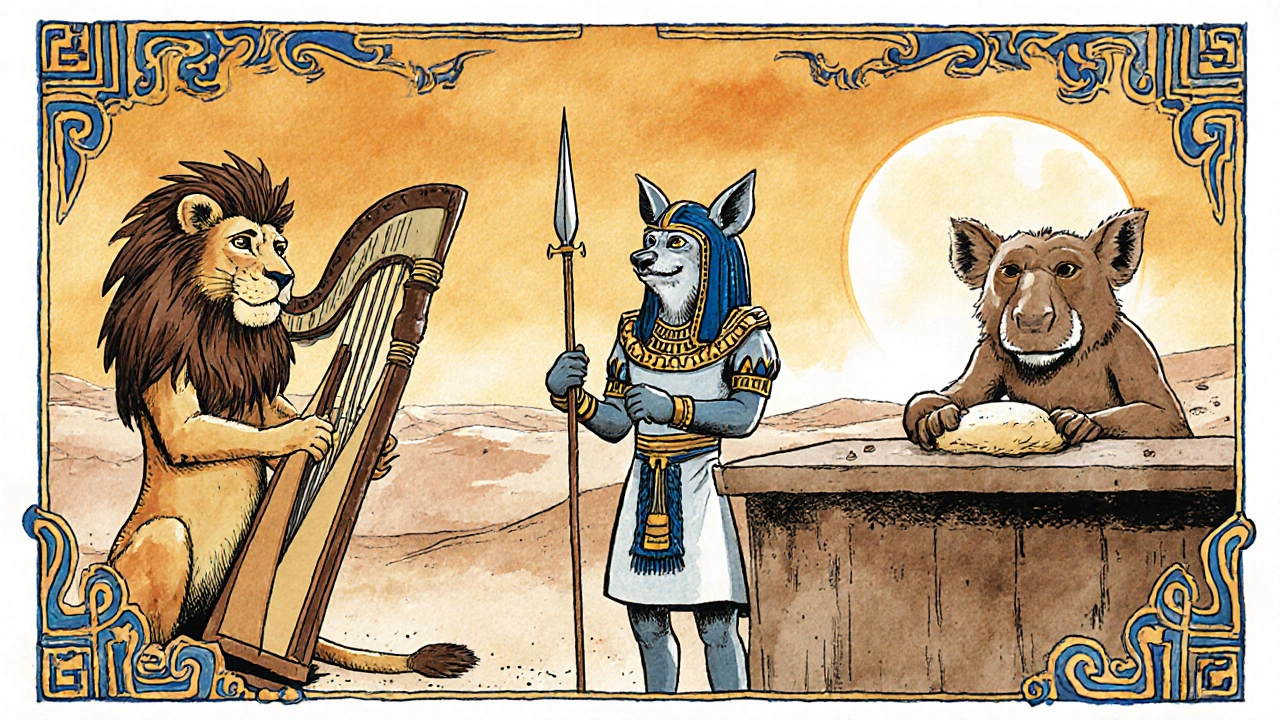
Egyptian Erotic Papyri: Comic Sex Scenes and Sacred Satire
Oct 31 2025 / History & CultureThe Turin Erotic Papyrus, created around 1150 BCE, is the oldest known explicit sexual artwork in human history. Far from being pornographic, it's a satirical comedy that reveals ancient Egyptians' open, humorous, and complex relationship with sex.
VIEW MORE