Ancient Etruria: Sex, Power, and Ritual in Italy’s Forgotten Civilization
When we think of ancient Italy, we picture Rome—but before Rome rose, there was Ancient Etruria, a powerful, wealthy civilization in central Italy that thrived from 900 to 100 BCE, known for its art, trade, and unusually free women. Also known as Etruscan civilization, it influenced Roman religion, burial customs, and even how men and women interacted in public. Unlike their Greek and later Roman neighbors, Etruscans didn’t hide women behind closed doors—they sat at banquets, drank wine, and were buried with symbols of their status, including erotic imagery.
This freedom wasn’t just social—it was sacred. In Etruscan religion, a complex system blending animism, divination, and fertility rites. Also known as Etruscan spirituality, it saw sex as a divine force tied to life, death, and the afterlife. Temples held sacred prostitution, and fertility symbols like phalluses and vulvas adorned homes and tombs. Archaeologists found carved terracotta plaques showing couples in intimate positions, not as porn, but as protection against evil spirits. Meanwhile, Etruscan women, held legal rights, owned property, and were depicted in art as equals to men. Also known as Etruscan female agency, their visibility in public life shocked Greek observers who called them "loose"—a sign of how different their values were. Unlike Roman matrons, Etruscan women weren’t defined by their husbands. They had their own names, signed contracts, and were buried with jewelry and perfume, not just as wives, but as individuals.
Their art tells the rest. Etruscan tombs are filled with frescoes of dancing, drinking, and sex—not as decadence, but as celebration of life beyond death. One tomb in Tarquinia shows a woman offering a man a fruit while he reaches for her waist. Another depicts a couple embracing as they enter the afterlife. These weren’t fantasies. They were beliefs. Sex wasn’t shameful—it was part of the journey. And when Rome conquered Etruria, they buried these ideas under their own rules: women became silent, sex became controlled, and the Etruscan way was labeled barbaric. But the traces remain—in Roman wedding customs, in the use of phallic charms, in the way some elite Roman women still enjoyed wine and conversation in public. Ancient Etruria didn’t vanish. It was rewritten. Below, you’ll find articles that uncover how these forgotten practices connect to modern ideas about gender, consent, and pleasure—from the erotic poetry of Elizabethan England to the medical myths around female orgasm. This isn’t just history. It’s a mirror.
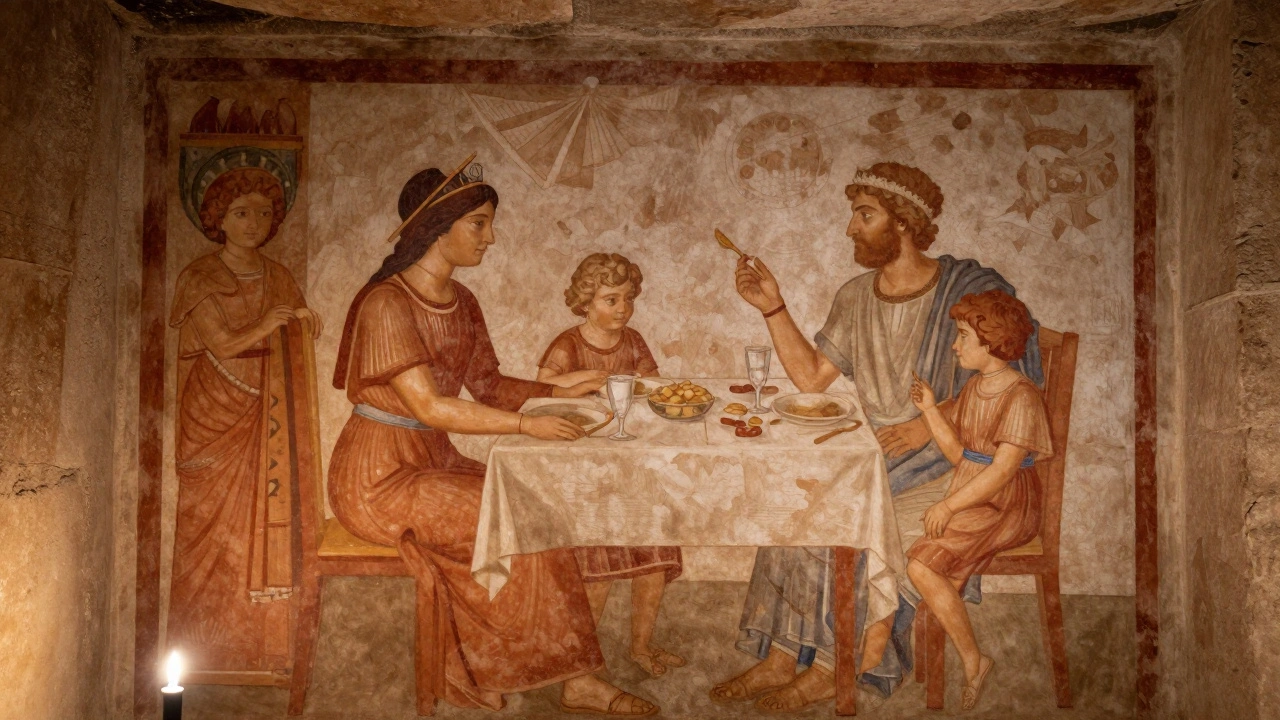
Illegitimacy in Etruria: Why It Wasn’t Stigmatized
Feb 28 2026 / History & CultureEtruscan society treated children born outside marriage with no stigma, unlike Rome. Family ties, maternal authority, and inherited land mattered more than legal marriage. Archaeology reveals a surprisingly open and accepting culture.
VIEW MORE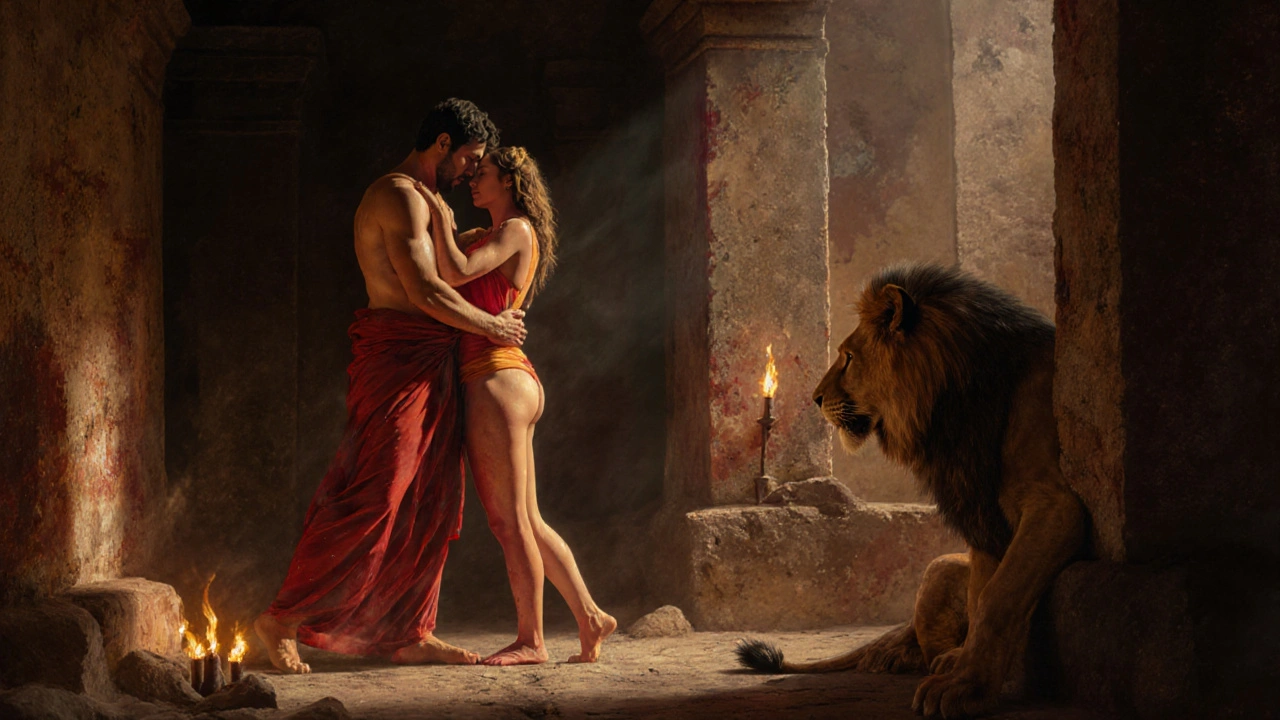
Etruscan Funerary Scenes: What Sexual Depictions Reveal About Death and the Afterlife
Nov 26 2025 / History & CultureEtruscan funerary art features explicit sexual scenes not as decoration, but as sacred rituals to guide the soul into the afterlife-revealing a culture that embraced pleasure, death, and spiritual transformation.
VIEW MORE