Ancient Greek Sexuality: Gender, Power, and Pleasure in Classical Times
When we talk about ancient Greek sexuality, the complex, often contradictory system of sexual norms, relationships, and expressions in classical Greece. Also known as classical Greek sexual culture, it was a world where love between men was openly honored, women’s desires were rarely recorded, and pleasure was tied to philosophy, power, and the divine. This wasn’t just about who slept with whom—it was about status, citizenship, and the very structure of society.
At the heart of it was pederasty, a socially accepted relationship between an adult man and a younger male, usually in his teens. Also known as erastes-eromenos dynamics, it wasn’t seen as deviant—it was a rite of passage, meant to teach virtue, discipline, and civic responsibility. Meanwhile, symposium culture, the male-only drinking parties where philosophy, poetry, and sex intertwined. Also known as symposia, these gatherings were where men bonded, debated, and often pursued younger companions. Women, meanwhile, were mostly excluded from these spaces, their roles confined to marriage, childbearing, and domestic life—though even then, exceptions existed, like hetairai, educated courtesans who moved freely in intellectual circles.
Sex wasn’t hidden—it was carved into pottery, painted on walls, and written into myths. The classical erotic art, the explicit scenes on vases and frescoes that depicted everything from heterosexual encounters to male-male intimacy. Also known as Greek erotic iconography, these weren’t just decoration—they were visual lessons in desire, power, and social order. You’ll find gods having affairs, heroes in erotic poses, and even satyrs chasing nymphs. These images weren’t meant to shock—they were normal, everyday expressions of a culture that saw sexuality as part of the natural world. But behind the beauty was a rigid hierarchy: freeborn men held power, boys were in transition, women were property, and slaves had no rights at all. This wasn’t liberation—it was structure dressed in marble and myth.
What’s surprising isn’t how different ancient Greek sexuality was—but how many of its patterns still echo today. The idea that male intimacy is intellectual, that female pleasure is secondary, that sex is tied to status—these aren’t modern inventions. They’re inherited. The posts below dig into these layers: how men and boys related in the gymnasium, how women’s sexuality was erased from history, how erotic art functioned as social commentary, and how the legacy of Greek norms still shapes our ideas about desire, power, and gender. You’ll find stories of silenced voices, coded symbols, and forgotten truths—all rooted in the same ancient soil.
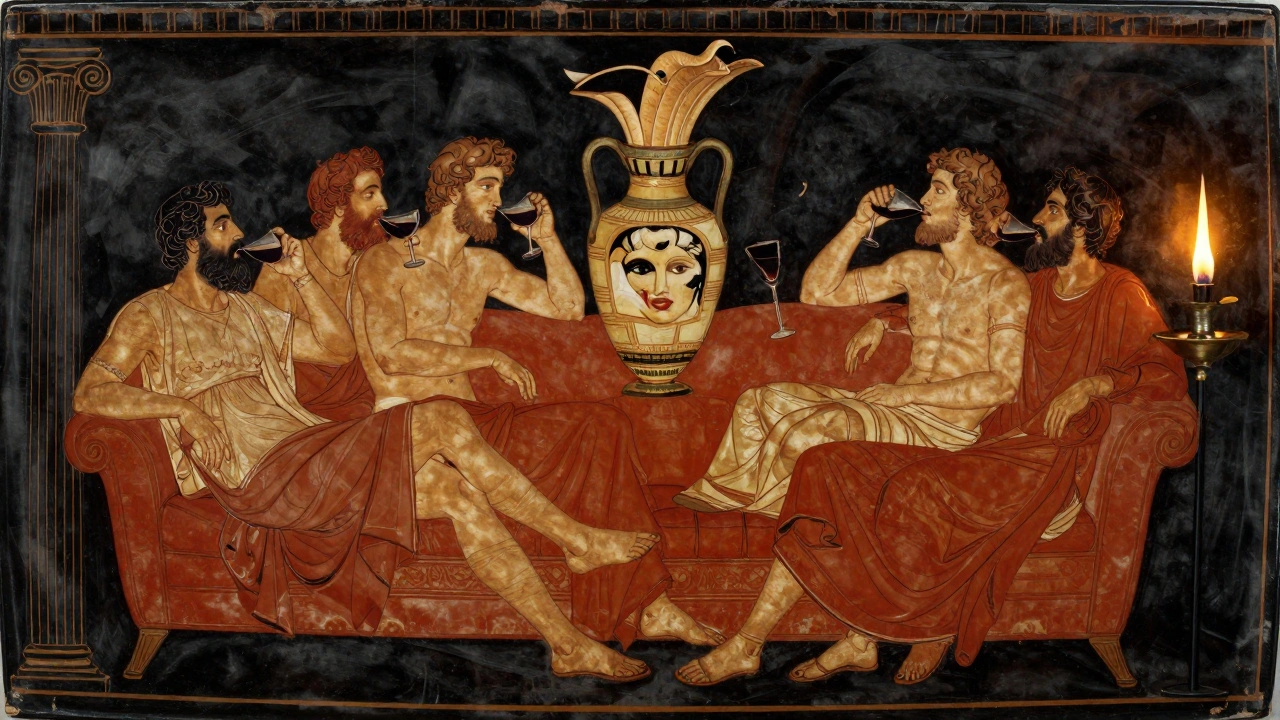
Greek Vase Paintings Reveal Sexual Norms of Ancient Athens
Mar 13 2026 / History & CultureGreek vase paintings reveal how sexuality, power, and social status shaped ancient Athenian life. From symposia to foreign markets, these artworks show desire as structured, not free-offering a raw look at male-male bonds, gender roles, and the art of control.
VIEW MORE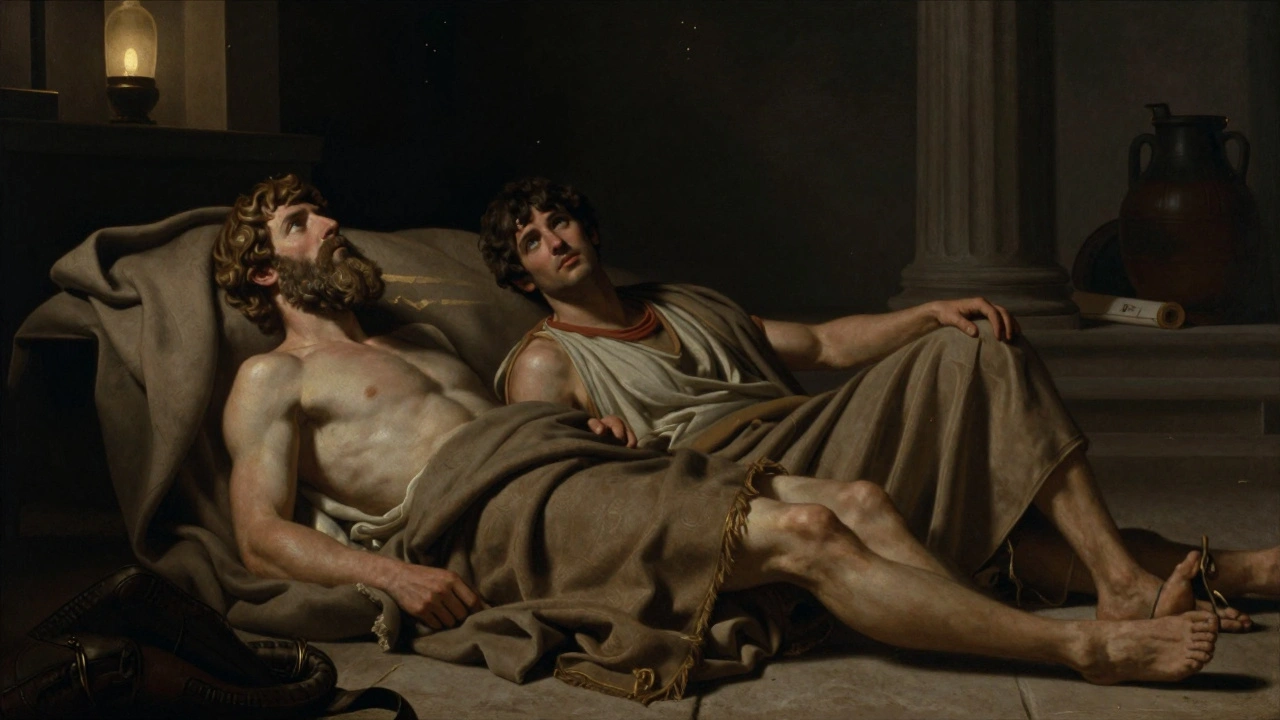
Socrates, Byron, and Hadrian: Same-Sex Attraction in Ancient and Romantic History
Mar 7 2026 / LGBTQ+ HistorySocrates refused physical love to elevate the soul. Hadrian turned his lover into a god. Byron wrote poems that defied a hostile world. Their stories reveal that same-sex love has always existed-not as a trend, but as a quiet force of courage and devotion.
VIEW MORE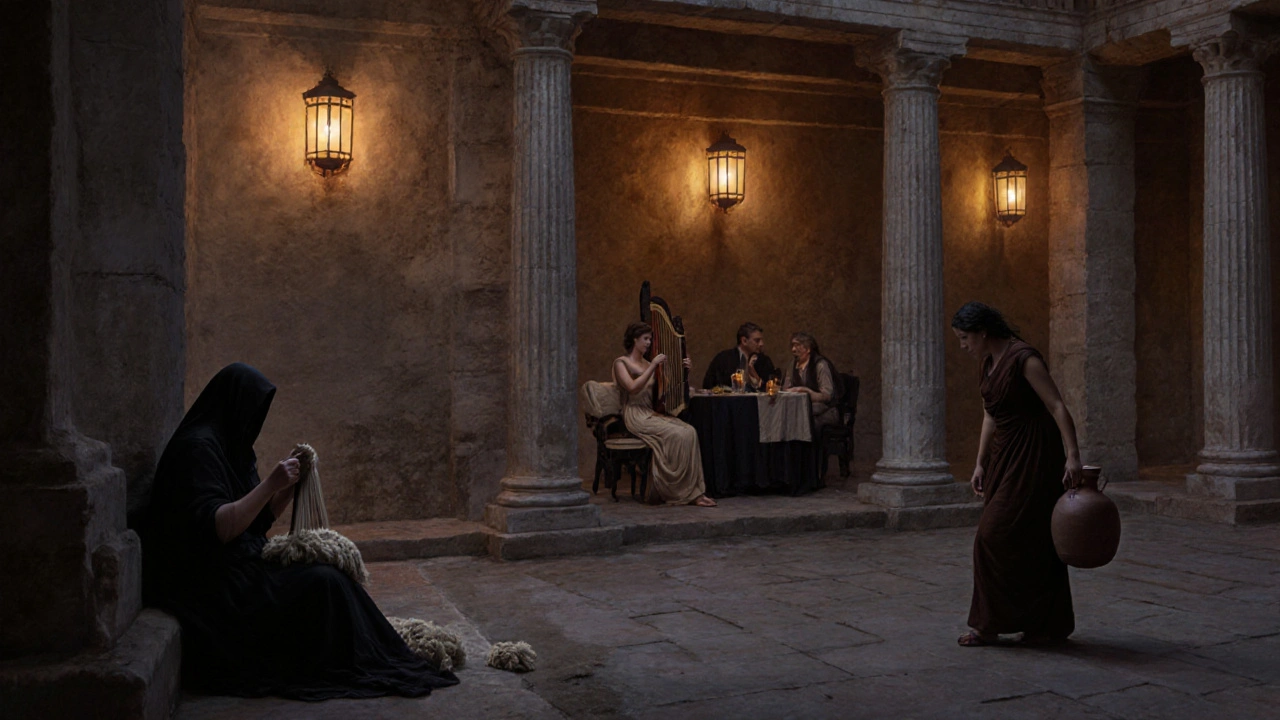
Concubines, Wives, and Mistresses: Gendered Sexual Roles in Ancient Greek Households
Nov 12 2025 / History & CultureAncient Greek households enforced strict gender roles: wives bore legitimate heirs, hetaerae offered companionship, and enslaved women served as de facto concubines. This system upheld male control while keeping women confined to silent, functional roles.
VIEW MORE