When you think of ancient Greece, you might picture philosophers debating in the agora, marble statues of gods, or epic battles at Thermopylae. But behind closed doors, in the quiet corners of Athenian homes, a very different kind of order ruled: one built on strict gender roles, controlled sexuality, and a system that treated women not as people, but as functional parts of a household machine.
The Three Tiers of Female Sexuality
Ancient Greek men didn’t have just one kind of woman in their lives-they had three, each with a clearly defined job. There was the wife, the hetaera, and the enslaved woman. Each served a different purpose, and none were interchangeable. This wasn’t about love or personal preference. It was about control, legitimacy, and social survival.
The wife was the only woman allowed to bear legitimate children. Her entire value was tied to producing heirs who could carry on the family name, inherit property, and perform religious rites for ancestors. Marriage wasn’t about romance. It was a legal contract arranged by the father, usually when the girl was around fourteen and the man was in his thirties. Her virginity was non-negotiable. If she was found to have been unchaste before marriage, her family faced shame. If she was unfaithful after, she could be killed-under Draco’s brutal law code, adultery by a woman was punishable by death.
Meanwhile, men were free to sleep with whomever they wanted outside of marriage. They didn’t need permission. They didn’t need to hide it. Society didn’t punish them. Instead, they had two socially approved outlets: the hetaera and the enslaved woman.
Hetaerae: The Only Women Who Could Speak
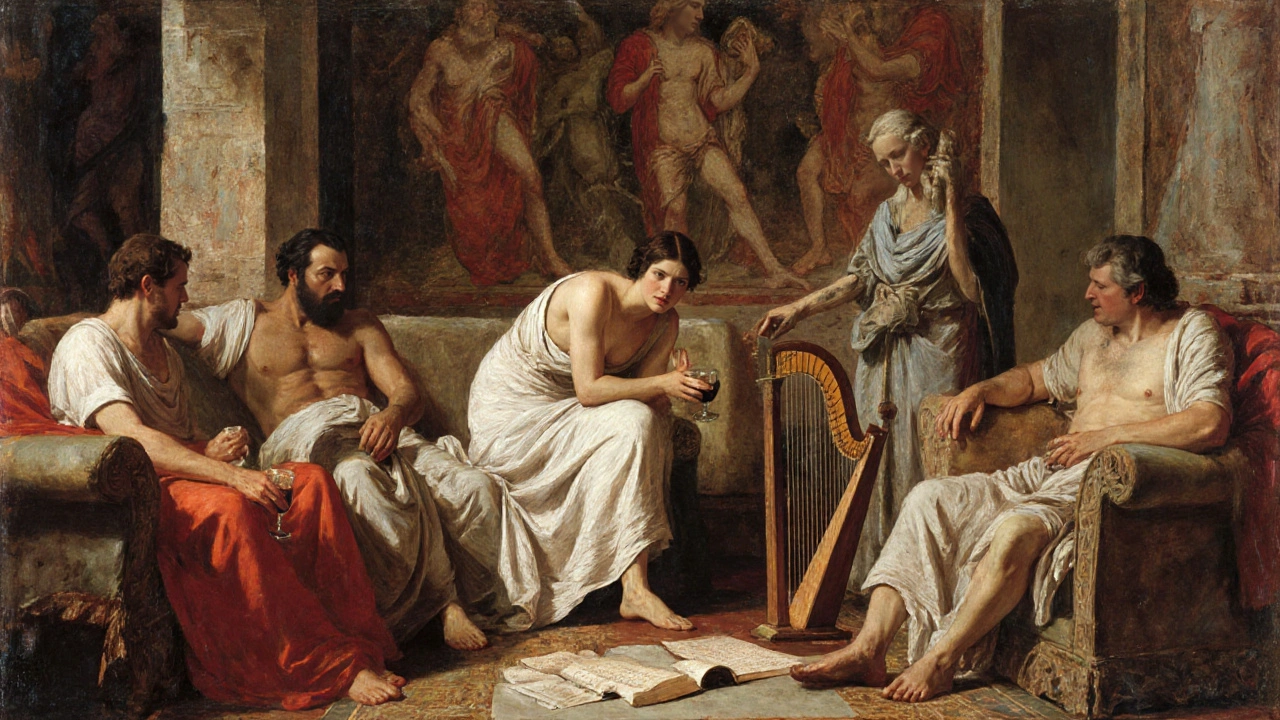
If you wanted a woman who could talk philosophy, play the lyre, quote Homer, and match wits with Socrates, you didn’t go to your wife. You went to a hetaera. These weren’t prostitutes in the modern sense. They were highly trained companions-often foreign, sometimes freed slaves-who lived independently, owned property, and moved freely in public spaces. Aspasia, the partner of Pericles, famously hosted intellectual gatherings in her home. Another, Neaira, was put on trial for pretending to be a citizen’s wife-an illegal act that shocked Athenian society.
Hetaerae were expensive. They didn’t work in brothels. They were invited to symposia, the all-male drinking parties where politics, poetry, and pleasure mixed. Unlike wives, who were confined to the women’s quarters (the gynaeconitis), hetaerae could attend these events, debate ideas, and even influence powerful men. But their freedom came at a cost. They had no legal protection. If a man stopped paying, they could be sold. If they stepped too far out of line-like Neaira did by trying to marry a citizen-they faced prosecution.
Enslaved Women: The Invisible Concubines
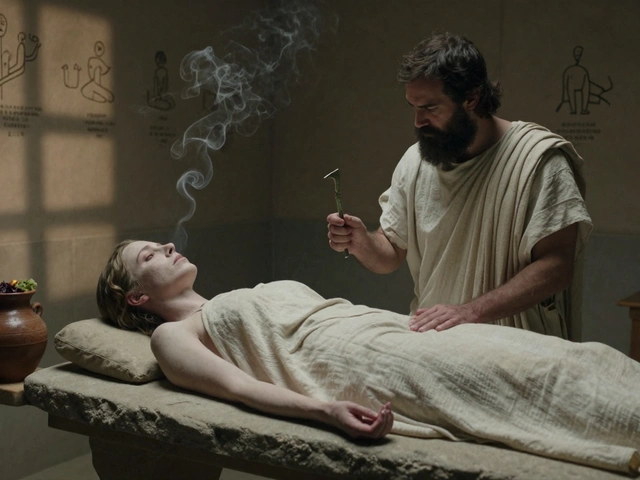
There was no official term in ancient Greek for “concubine.” But that doesn’t mean the role didn’t exist. It was filled by enslaved women-doulai-who were owned outright by their masters. Their bodies were not their own. They had no rights. No voice. No legal standing. If a man slept with his female slave, it wasn’t adultery. It was simply using his property.
Children born to enslaved women were slaves too-unless the father chose to formally acknowledge them. Even then, they rarely inherited. They didn’t become citizens. They remained on the margins of society. Inscriptions from Delphi show rare cases where fathers freed their children by enslaved women, but these were exceptions, not norms. Most children born to enslaved mothers were raised as servants, never as heirs.
This system gave men sexual freedom without threatening the family line. Wives produced legitimate sons. Enslaved women satisfied physical needs. Hetaerae offered intellectual and emotional companionship. Each role kept the others in place.
Wives: Locked Away, Not Loved
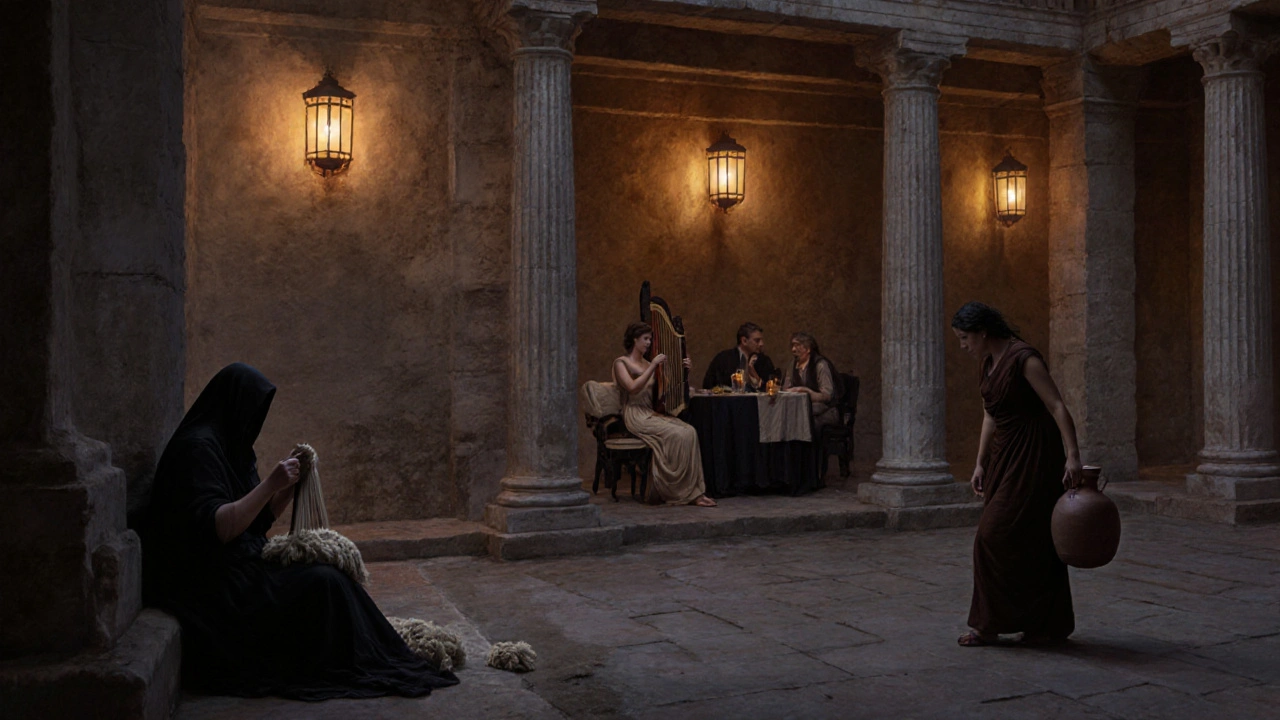
Athenian wives were not allowed to leave the house without a male escort. They didn’t attend public events. They didn’t vote. They couldn’t own land. Their dowry-the money or goods they brought into marriage-became their husband’s property. They were legally minors for life, under the control of a kyrios: first their father, then their husband, then their son.
Aristotle claimed women were biologically inferior-incapable of reason, suited only for domestic work. Vase paintings from the time show women spinning wool, fetching water, or caring for children. Men are shown in the marketplace, the gymnasium, the assembly. The division wasn’t accidental. It was designed.
Even childbirth didn’t change their status. A woman only became a gynê (woman) after giving birth. Before that, she was a nymphê (bride), then a parthenos (virgin). Her identity was defined by her relationship to men, not by her own actions.
Sparta: The Exception That Proves the Rule
If Athens was the rule, Sparta was the wild exception. Spartan women were trained in wrestling, running, and javelin throwing. They owned up to 40% of the land in Sparta. While Athenian women were locked inside, Spartan women ran estates while their husbands were away at war.
Plutarch wrote that Spartan men encouraged their wives to take lovers if they believed it would produce stronger children. This wasn’t about freedom-it was about the state. Sparta needed warriors. Women were tools for that goal. If a woman bore strong sons, she was praised. If she failed, she was shamed.
But even here, there were limits. Spartan women didn’t vote. They didn’t lead armies. They didn’t hold political power. Their freedom was narrow, conditional, and entirely tied to the needs of the military state.
Tragedy and the Fear of Female Power
Ancient Greek drama didn’t just entertain-it reflected deep anxieties. Euripides’ Medea shows a woman abandoned by her husband for a better match. In revenge, she kills her own children. Aeschylus’ Agamemnon features Clytemnestra, who murders her husband after years of betrayal. These weren’t just stories. They were warnings.
The fear wasn’t that women were weak. It was that they might become too powerful. When a wife stepped outside her role-when she acted on her own desires, when she sought justice, when she refused to be silent-she threatened the entire structure. The tragedies made it clear: women who broke the rules brought ruin.
How the System Held Together
This wasn’t chaos. It was a carefully maintained system. Men had sex without guilt. Women had children without rights. Slaves had no protection. Hetaerae had freedom-but only as long as they stayed in their lane.
Brothels were common. One obol-a small coin-bought you a night with a prostitute. The price was standardized. The practice was normal. The law didn’t care. What mattered was that the wife stayed pure, the slaves stayed silent, and the hetaerae stayed separate.
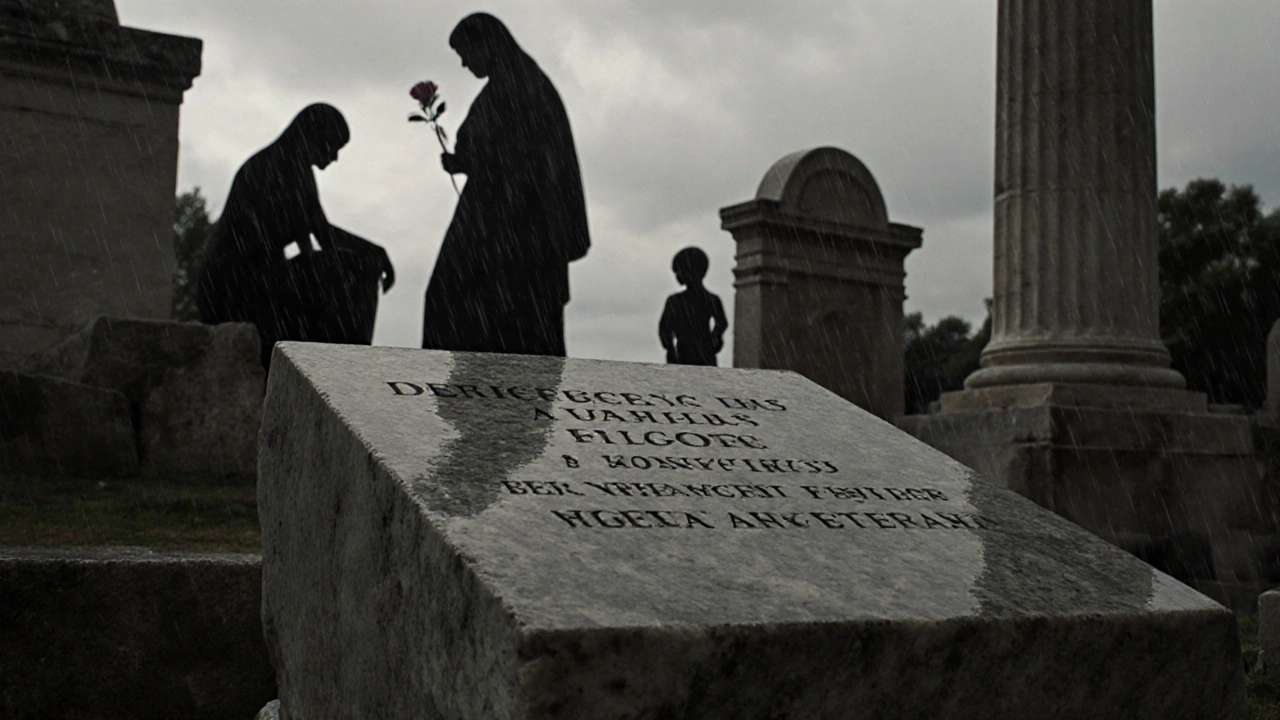
And when a man wanted to be remembered? He didn’t leave his wife’s name on a tombstone. He left his son’s name. The wife? She was just the vessel. The enslaved woman? She was invisible. The hetaera? She was a passing pleasure.
The End of the System
This rigid structure lasted for centuries-but it didn’t last forever. During the Hellenistic period, after Alexander the Great’s empire spread across the Mediterranean, things began to shift. In Ptolemaic Egypt, women gained the right to own property, sign contracts, and initiate divorce. In Athens, the old rules stayed, but the world around them changed.
By the time Rome rose to power, the Greek model looked outdated. Roman men had concubines-formal, recognized relationships that could lead to inheritance. The Greeks never did. Their system was too rigid, too afraid of blurring lines.
What remains is a chilling blueprint of how power, gender, and sexuality can be weaponized to control entire populations. Not through violence alone-but through social rules, legal silence, and the quiet erasure of women’s humanity.