Ancient Near East law: How Sex, Power, and Religion Shaped Early Legal Systems
When we talk about Ancient Near East law, the earliest codified legal systems that emerged in Mesopotamia, Sumer, and Babylon over 4,000 years ago. Also known as cuneiform law, it was the first time human societies wrote down rules that governed sex, property, marriage, and punishment—not as suggestions, but as binding commands enforced by gods and kings. These weren’t just laws. They were social contracts written in stone, designed to keep order in cities where temples ruled as much as kings did.
Ancient Near East law didn’t separate sex from religion or economics. In Babylon, under Hammurabi's Code, a 2,800-year-old legal text that defined punishments based on social class and gender. Also known as Code of Hammurabi, it made it clear: if a man raped a virgin betrothed to another man, he was executed—but if he raped a slave woman, he paid a fine. Marriage wasn’t about love; it was a legal transfer of rights, often sealed with a dowry. A woman’s body was tied to her father’s or husband’s property. But here’s the twist: women in ancient Mesopotamia could own land, run businesses, and even initiate divorce under certain conditions. This wasn’t equality, but it wasn’t total oppression either. The law gave them tools to survive in a system built to control them.
Prostitution wasn’t banned—it was regulated. Sacred temple prostitutes served religious rituals, while common sex workers paid taxes and carried licenses. The law didn’t shame them; it taxed them. And when it came to female pleasure? Silence. But the silence speaks volumes. No law mentions a woman’s orgasm, not because it didn’t exist, but because it wasn’t seen as legally or socially relevant. The focus was on reproduction, lineage, and control. Yet, beneath these rigid rules, there were cracks. Women used coded language, religious roles, and economic power to carve out space for autonomy. These ancient systems didn’t just set rules—they planted the seeds for modern debates about consent, gender roles, and who gets to define morality.
What you’ll find below isn’t just history. It’s the foundation of how we still think about sex, law, and power today. From Victorian doctors pathologizing desire to modern fights over LGBTQ+ rights, the patterns started here. These posts don’t just tell you what happened—they show you why it still matters.
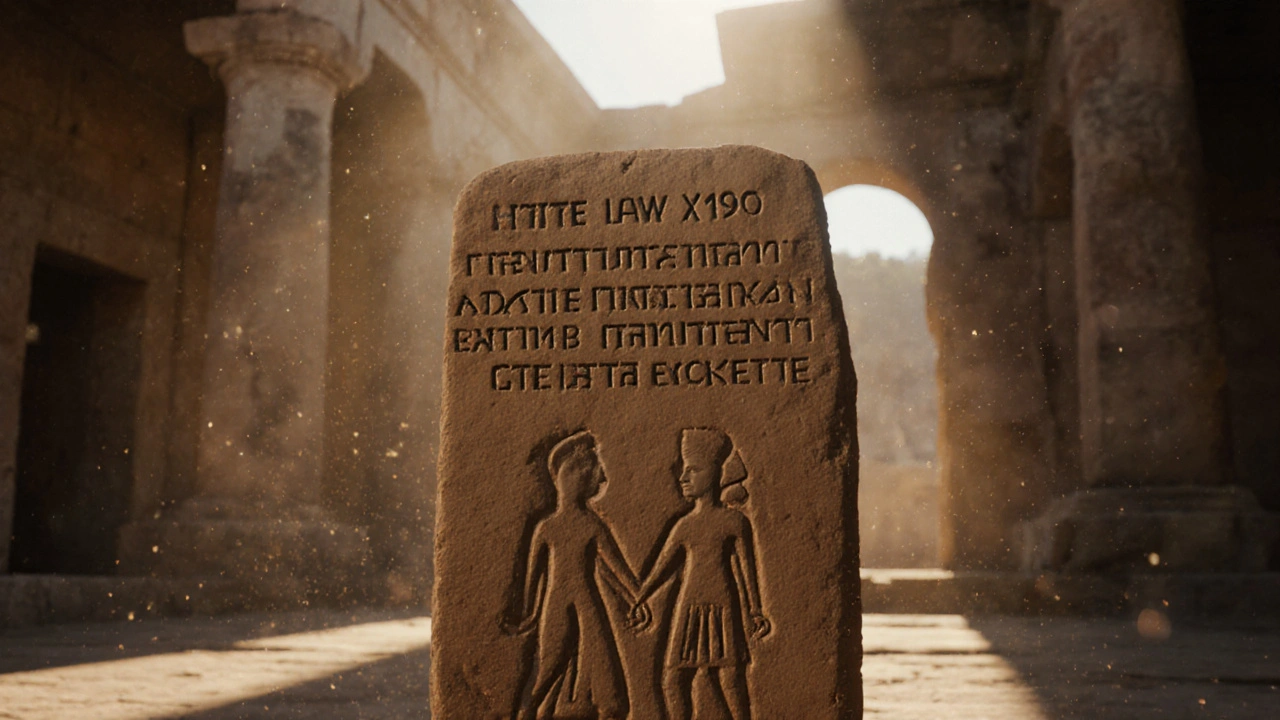
Hittite and Assyrian Laws on Sexual Consent: Early Codifications and Gaps
Nov 24 2025 / History & CultureThe Hittite and Assyrian legal codes from 1650-1100 BCE contain some of the earliest known laws addressing sexual consent, revealing stark differences in how ancient societies handled rape, consent, and gender roles - with the Hittites recognizing mutual willingness and the Assyrians enforcing brutal retribution.
VIEW MORE