Ancient Roman Economy: How Sex, Power, and Trade Shaped Daily Life
When you think of the ancient Roman economy, the financial and labor system that powered one of history’s largest empires. Also known as Roman trade and labor system, it wasn’t just about grain shipments, taxes, and silver denarii. It was built on bodies—slaves, sex workers, wives, and soldiers—all moving through a system where money, control, and desire were deeply tangled. The economy didn’t just fund temples and aqueducts; it funded brothels, dowries, and the silent trade of human labor that kept Rome running.
Slavery was the backbone of that system. An estimated 25-30% of Rome’s population were enslaved, working mines, farms, households, and even as tutors or accountants. Their labor wasn’t just cheap—it was essential. Meanwhile, Roman prostitution, a legal, taxed, and widespread commercial activity. Also known as public sex work in antiquity, it wasn’t hidden. Brothels lined busy streets, and sex workers—often enslaved women or freedpersons—paid taxes directly to the state. This wasn’t fringe activity; it was institutionalized. And while men could freely visit brothels, women’s sexuality was tightly controlled through marriage laws, dowries, and social shame. The Roman gender roles, rigid expectations that assigned men to public life and women to domestic control. Also known as paterfamilias system, it ensured that wealth stayed within male lineages, while women’s bodies became tools for securing alliances and heirs.
Trade routes stretched from Britain to Egypt, but every shipment of olive oil or spices relied on the movement of people—slaves rowing ships, porters hauling goods, and sex workers waiting in every major city port. Even the elite’s private pleasures were tied to the economy: a wealthy man’s concubine might be a gift from a business partner, and a daughter’s marriage could seal a deal between two families. The Roman trade networks, the vast commercial system connecting provinces through roads, ports, and currency. Also known as Mediterranean commerce, it didn’t just move goods—it moved power, status, and sexual access.
What you’ll find in the posts below isn’t just history—it’s the messy, real story of how money, control, and desire shaped the daily lives of ordinary Romans. From the legal status of sex workers to how marriage functioned as a business contract, these articles uncover the hidden systems behind the marble statues and grand forums. You’ll see how the same forces that built Rome’s wealth also trapped its most vulnerable—and how those patterns still echo in modern economies today.
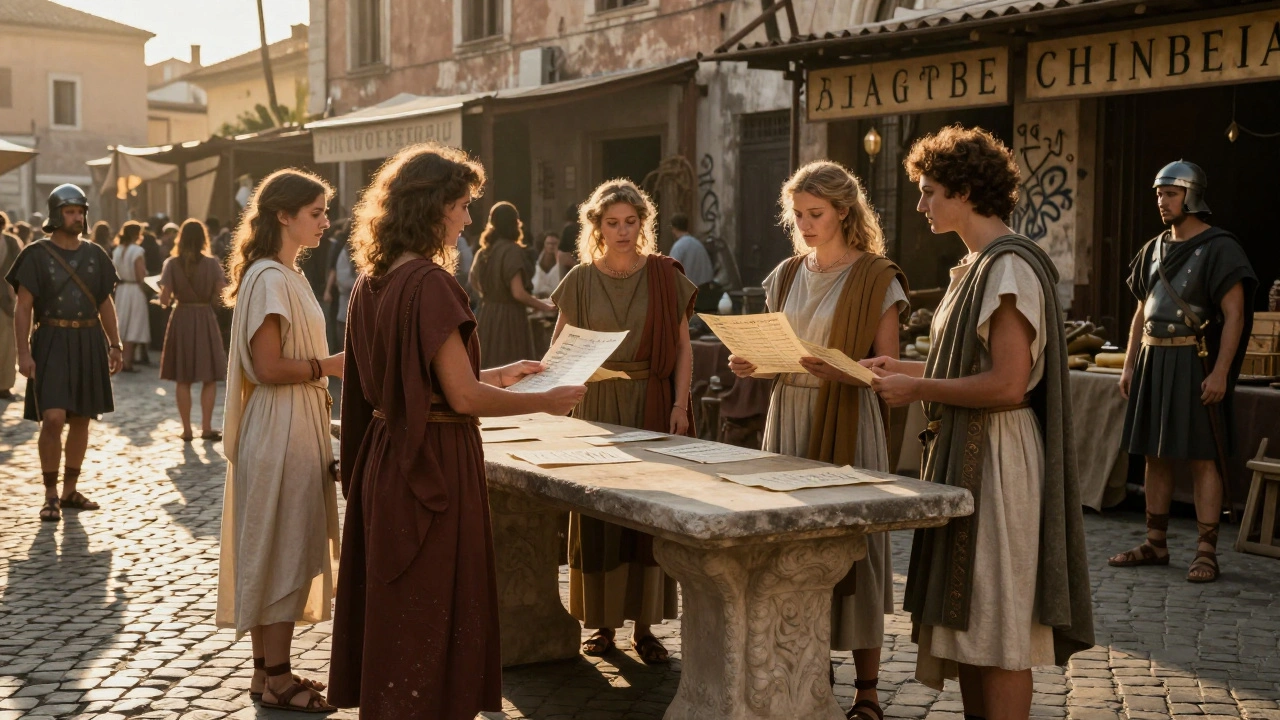
Imperial Taxes on Prostitution: How Rome Taxed Sex Work from Caligula to Anastasius
Dec 9 2025 / History & CultureFrom Caligula to Anastasius, Rome taxed sex work for nearly 500 years - turning marginalized women into revenue sources while denying them basic rights. A deep look at the world's first state income tax on prostitution.
VIEW MORE